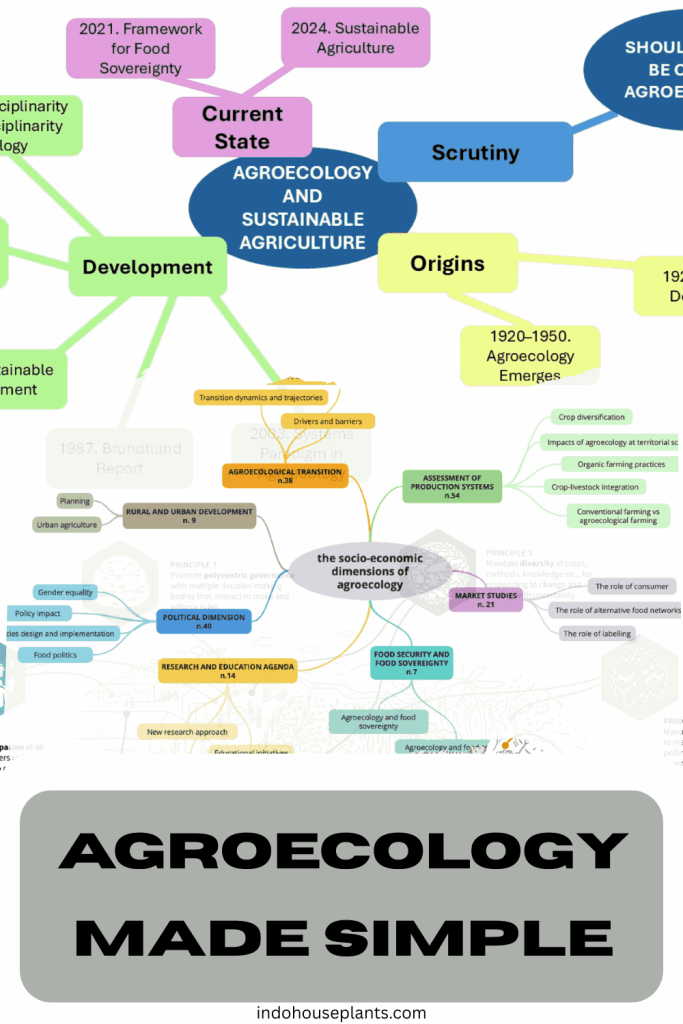
When I first dipped my toes into agroecology, the sheer amount of advice out there felt like trying to catch water with my hands. But here’s the thing nobody told me upfront: agroecology isn’t some lofty, scientific mountain you have to scale overnight. It’s more like a series of small, deliberate conversations with your land — learning its rhythms, quirks, and secrets — and letting that relationship guide how you grow.
Here’s what most people don’t know: agroecology is as much about observing ecosystems in action as it is about planting seeds. The soil isn’t just dirt; it’s a living community. The insects aren’t just pests or helpers—they’re clues telling you about your farm’s health. Getting comfortable with these subtle hints makes agroecology an intuitive, rewarding practice, rather than a chore.
My Most Game-Changing Practices in Agroecology
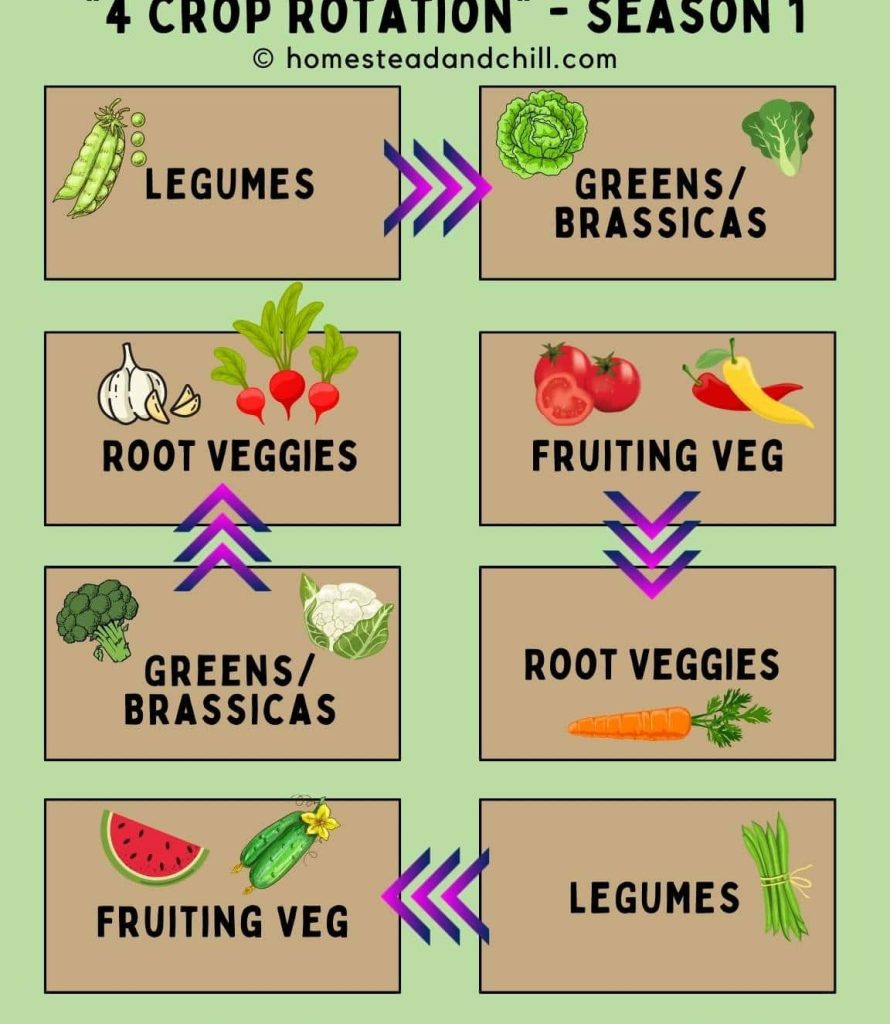
Crop Rotation: More than Just a Calendar Trick
When I began, rotating crops felt like a boring step—just swapping plants year by year. But after a couple years, I saw it transform my soil. I used to plant tomatoes continuously, and every year they’d struggle with blight.
Then, I shifted to following tomatoes with bush beans or leafy spinach. Not only did the soil “breathe” better, but the pests lost their foothold because their favorite food just wasn’t always there. Plus, legumes naturally enriched the soil with nitrogen. The impact? I harvested more vibrant, resilient plants without applying a single fungicide.
Insider tip: Don’t just rotate blindly. Spend time observing which crops your soil responds to best, and notice pest patterns. Some rotations suit your climate and soil type better than others. For me, the corn-bean-squash trio worked beautifully, mirroring ancient indigenous farming wisdom.
Cover Crops: The Unsung Soil Superheroes
A lot of gardeners overlook what happens after harvest. I learned the hard way—leaving soil bare during the offseason invites erosion, weeds, and nutrient loss. Planting cover crops like rye and crimson clover changed the game.
Not only did they protect my soil from harsh rains and wind, but as they decomposed, they packed the soil with organic matter that felt like a secret energy boost to my veggies come spring.
One winter, I left a rye cover crop to die back naturally instead of tilling it in immediately. The result was a thick mulch layer that held moisture and welcomed earthworms. That season, my garden was noticeably more fertile, and watering needs diminished. It’s like giving your soil a cozy blanket.
Composting: Dirt’s Best Friend
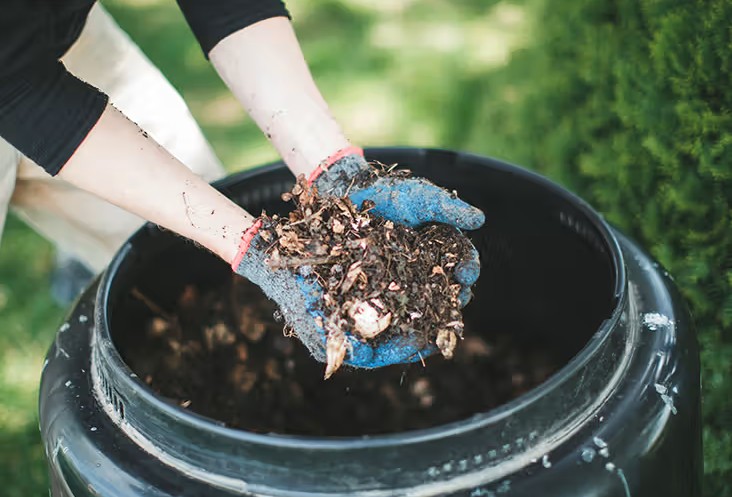
Most people think of composting as just recycling scraps, but for me, it’s the cornerstone of soil health. Starting with a simple bin, I tossed in all sorts of kitchen waste, shredded leaves, and occasional manure. Watching the pile transform over weeks was like witnessing a mini ecosystem in action—microbes breaking down material, feeding plants in return.
Here’s what many don’t realize: compost isn’t just fertilizer; it’s a living inoculant you feed your soil. When I began layering compost annually, my plants were sturdier, breaks disease cycles, and my water retention shot up. Plus, it’s incredibly satisfying knowing you’re closing the loop in your garden’s nutrient cycle.
Integrating Trees: The Silent Guardians
I was skeptical about planting trees among crops at first—they seemed to compete for water and space. But agroforestry changed my perspective entirely. I planted a few dwarf fruit trees around the edges of my garden bed, and suddenly, birds and beneficial insects flourished.
These natural predators kept aphids and caterpillars in check. The leaf litter added a slow-release nutrient buffet to the soil below.
One surprising benefit was shade during hot summer afternoons. My soil retained moisture longer, and some temperature-sensitive crops thrived. If you’re worried about space, remember—even a few trees can tip the ecological balance in your favor.
Biological Pest Control: Making Friends with Nature
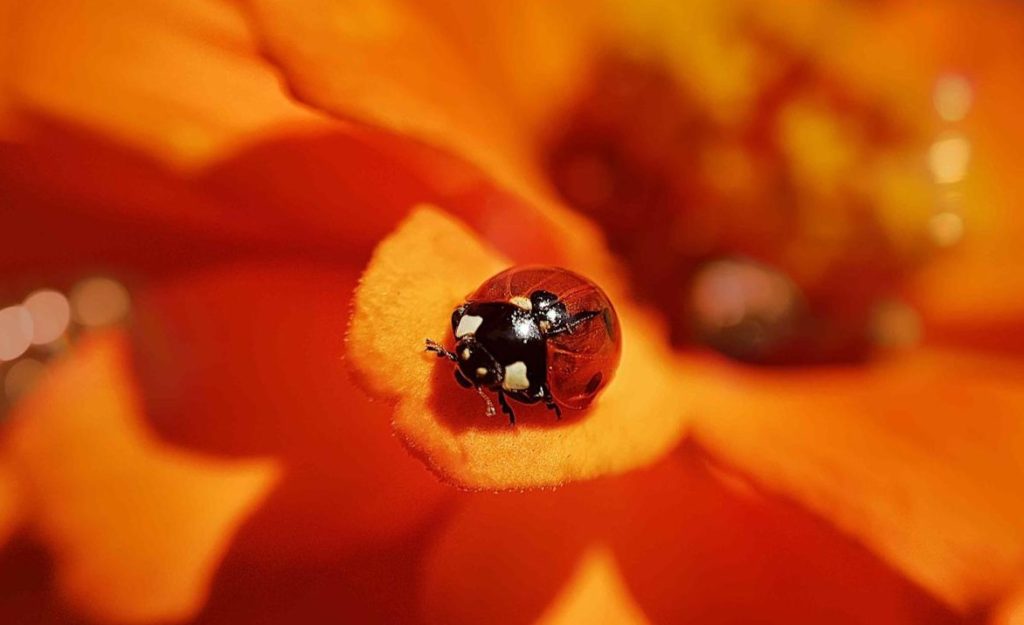
One of my most joyful agroecology moments came when I realized I could ally with insects instead of battling them. Instead of reaching for sprays, I started planting marigolds, dill, and fennel to attract ladybugs, lacewings, and parasitic wasps. I even built a small frog pond nearby.
The first year saw a dramatic drop in aphid outbreaks. It felt less like fighting and more like negotiating a truce where everyone benefits. This strategy took patience and observation—sometimes you have to wait a few seasons for ecosystems to stabilize—but the payoff is a garden that needs fewer interventions.
Water Conservation: Beyond Just Saving H2O
I used to water my garden religiously, but then mulch entered the picture, and everything changed. A layer of straw or leaf mulch kept my soil cool and prevented evaporation, so watering frequency dropped noticeably.
Another thing many forget: the land’s shape matters. I experimented with planting along contour lines and creating mini swales, which slowed water runoff, soaking it back into the soil rather than losing it downhill. Rainwater harvesting through barrels also gave me a backup supply during dry spells.
This combo made my garden more drought-resilient and cut my water bills—a win for my plants and my wallet.
Real People, Real Stories
- Jane’s Backyard Turnaround: She battled tomato blight for years, but after introducing legume rotations and composting, her tomatoes bounced back strong. She says the biggest change was “learning to listen to the soil’s story.”
- Ahmed’s Farm Makeover: By planting neem trees and legumes, Ahmed saw natural pest control improve dramatically. Birds nesting in the trees reduced caterpillar infestations on maize without one pesticide drop.
- Community Garden Wins: A local group added flowering strips to attract beneficial insects and simultaneously planted cover crops on unused plots. Aphids on their peppers plummeted, and volunteers say the garden feels alive in a completely new way.
What’s Your Next Move?
Don’t feel pressured to overhaul everything at once. Pick one thing that strikes a chord with you—maybe composting kitchen scraps because it’s manageable, or starting a crop rotation plan based on your favorite veggies.
I always tell new growers: agroecology is a journey, not a race. The first time I saw earthworms thriving in my soil, I knew I was onto something. That tiny sign of life was proof that my efforts were paying off.
The beauty of this approach is that every small step nourishes a bigger picture—a resilient, thriving ecosystem right in your backyard or farm.
A Personal Challenge for You
- Identify three plants you love or want to grow, and map out their rotation over the next few seasons.
- Start a compost pile or bin with your daily kitchen scraps—get your hands dirty and watch nature’s magic unfold.
- Plan a cover crop or find a local green manure seed mix to try after your main crop ends.
- Observe your plants daily: note insects you see, signs of pests, or wildlife—this is your agroecological education in real time.
Remember, the land speaks if you listen. And as you learn its language, you’ll find farming becomes less about control and more about partnership. That’s the real power—and joy—of agroecology.