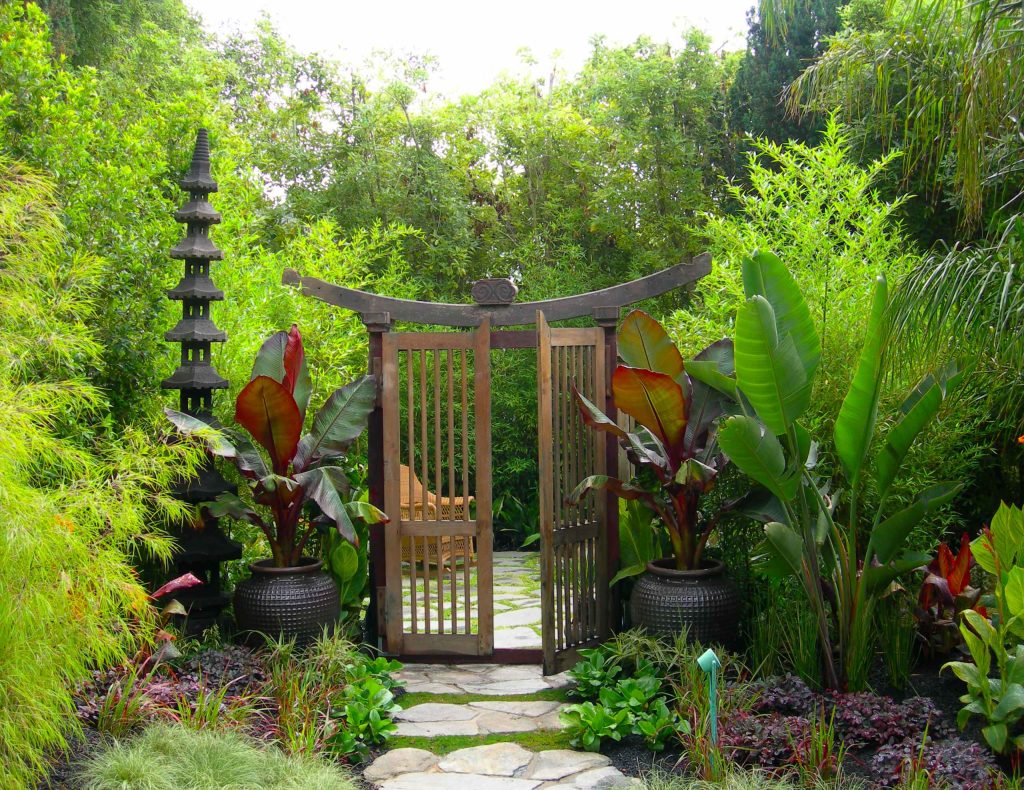
When I first dreamed of having a berry patch, I was overwhelmed by all the advice swirling around online—the spacing, the types of berries, the soil pH—each tip felt like a puzzle piece from a different box. What finally helped me get a patch going was treating spacing less like a strict rule and more like a conversation with my garden space, shaped by my needs and the quirks of my backyard.
Here’s what most new berry growers don’t hear: the why behind spacing isn’t just about squeezing as many bushes as possible. It’s about crafting a healthy environment where each berry bush feels like it has breathing room to stretch, grow, and produce without the stress of competition.
Think of it like seating at a dinner party—you want everyone close enough to chat, but not so tight that elbows are flying.
Why Giving Berry Bushes Room is a Game-Changer
When I planted my first raspberry bushes, I ignored the recommended 3 feet between each plant and crammed them a little closer to save space. The result? A dense thicket riddled with fungal disease by midsummer, not to mention a nightmare to prune and harvest.
From that experience, I learned that spacing isn’t just about growth—it’s about airflow, sunlight penetration, and ease of care.
If your bushes are too cozy, they create pockets of humidity that invite powdery mildew or worse. But with proper spacing, rain or watering dries quickly on leaves, and you get to those ripe berries faster, with less fuss.
Plus, when it’s time to harvest, you won’t have to fight through brambles to get your fruit.
Real-World Spacing Tips That Work
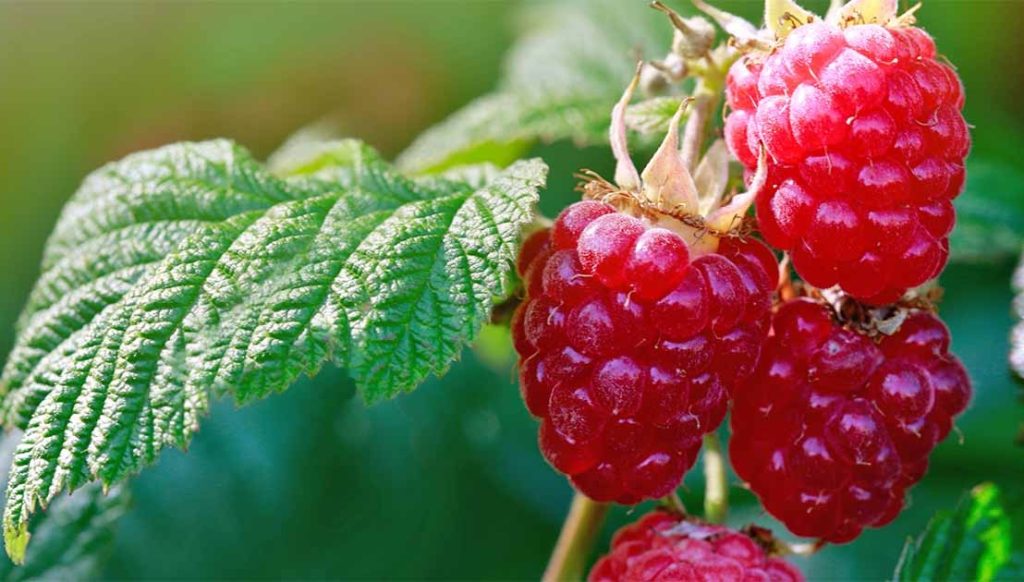
- Raspberries: 2-3 feet apart in rows 4 feet apart is ideal. In my 10×10-foot space, two rows with 3-foot spacing struck the perfect balance—enough bushes for fresh berries every week, without crowding.
- Blackberries: If you plan to use trellises (which I highly recommend because they keep berries off the ground and easier to pick), go for 3-4 feet between bushes and 6-8 feet between rows. Trellising changes the dynamic because vertical growth needs extra room and support.
- Blueberries: These plants like a bit more breathing room—4-5 feet between bushes and 6-8 feet between rows. Blueberries also like acidic soil (pH 4.5-5.5), something I discovered after my first crop disappointed me.
A tip you won’t find in many guides: when mixing types, give each berry its own “neighborhood.” Blueberries and raspberries have different nutrient and sunlight demands, so planting them side-by-side without a buffer often results in one outcompeting the other.
Planning Your Layout Like a Pro
Before I ever dug my first hole, I taped out my garden area with string and used garden stakes to mark where each plant would go. This little exercise saved me so much headache later—I could visualize pathways for maintenance and harvesting, and see how much sunlight each row would get during different times of day.
I also walked around imagining where I’d want easy access to pick berries, because trust me, you’ll be out there many times a week in berry season.
Troubleshooting From My Own Garden
- Uneven growth or sparse fruiting? Check if the plants are getting enough sun. In my shady backyard corners, bushes grew tall but with few berries until I pruned overhead branches and shifted some plants to sunnier spots.
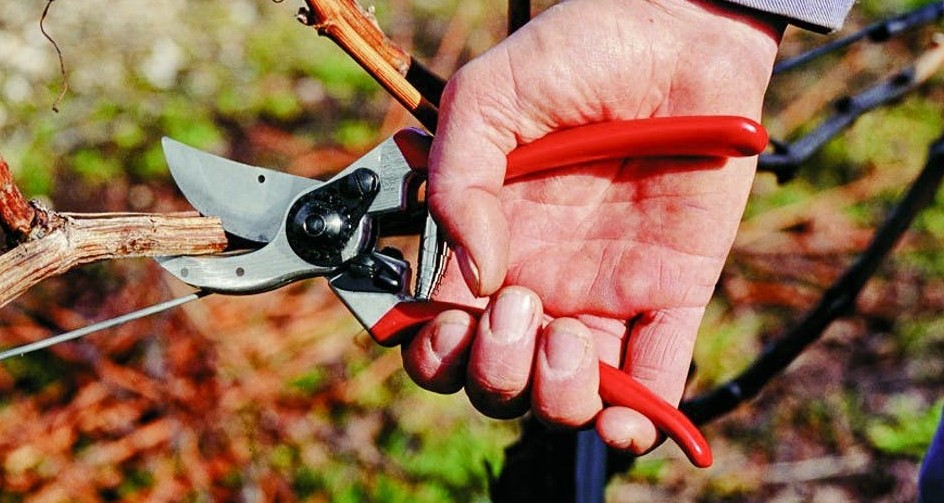
- Disease creeping in? Regular annual pruning is my secret weapon. I learned to prune dead canes in early spring before new growth emerged, and that cleared out enough old wood to keep diseases at bay.
- Soil feeling off? I tested mine after a couple of disappointing seasons. For blueberries, I added peat moss to lower the pH, and for raspberries, I just made sure the soil was rich and well-draining. Getting a simple pH test kit gave me clarity and confidence to fix problems rather than guess.
Getting Started With Confidence
You don’t have to create a sprawling orchard to enjoy fresh berries—it’s absolutely fine to start small and learn as you go, which is exactly how I built my patch. My first year, I planted just a handful of raspberry bushes spaced generously, tending to them carefully.
Seeing those first bright red berries arrive turned me into a lifelong berry obsessive.
If you’re ready today, pull out your tape measure and pace off your garden. Decide which berries excite your taste buds (I’m partial to raspberries for morning breakfasts and blackberries for late summer jams). Mark your rows with string or stakes, keeping those spacing numbers in mind, and prepare your soil by clearing weeds and loosening the earth.
Berry gardening rewards patience, but it also rewards experimentation. Don’t hesitate to tweak spacing next year based on what you observe—every garden tells its own story. If you want, I can share my favorite pruning hacks, pest solutions, or even recommend cultivars that thrive in your region.
Growing a berry patch is part science, part art, and a whole lot of joy.