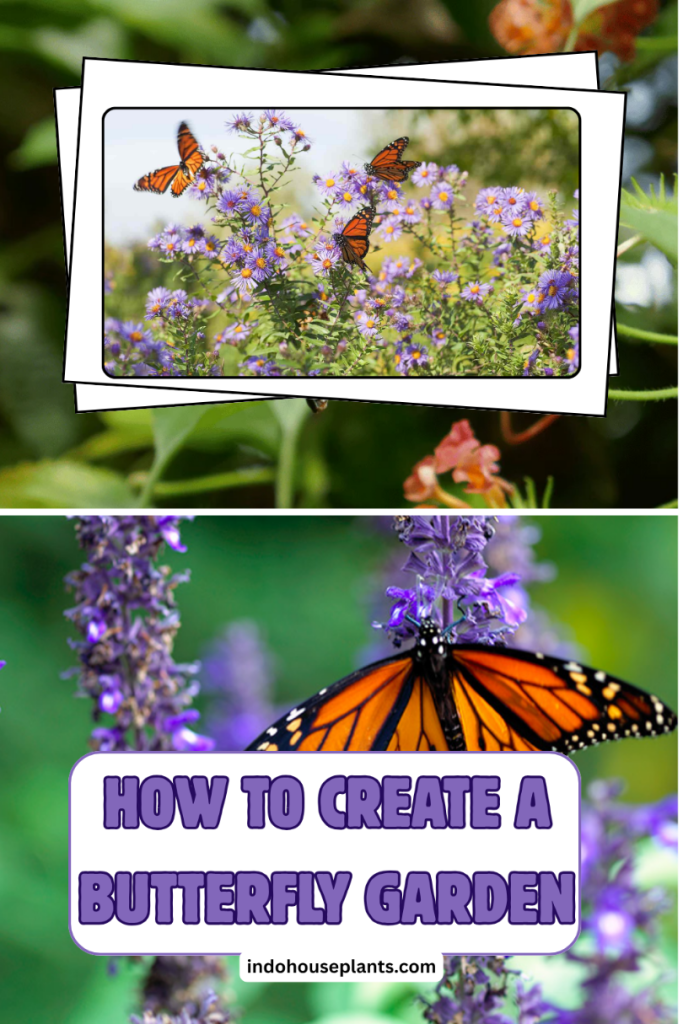
Creating a butterfly garden is one of those simple joys that connects you deeply with the rhythms of nature—and trust me, it’s more doable and rewarding than it looks at first glance. When I first started, I was overwhelmed by all the plant options and the idea of attracting these delicate creatures. But once I narrowed down a few key plants and observed what actually happened, the magic began to unfold right before my eyes.
Here’s the thing most people don’t realize: butterflies aren’t just pretty visitors. They’re crucial pollinators in our ecosystems, and many species are struggling due to habitat loss and chemicals. So, even a modest patch of native flowers in your yard, balcony, or community space can be a vital oasis.
How to Build Your Butterfly Haven, From Someone Who’s Lived It
Pick Your Spot with Care
Butterflies are sun worshippers. Find a spot that basks in sunlight for at least half the day but also offers some shelter from harsh wind. My own garden is tucked behind a low fence, which cuts down the breeze but lets the sun pour in.
If you’re tight on space, don’t worry—my best butterfly encounters happened on a tiny balcony with pots strategically placed near a sunlit wall.
Go Native and Think Seasonally
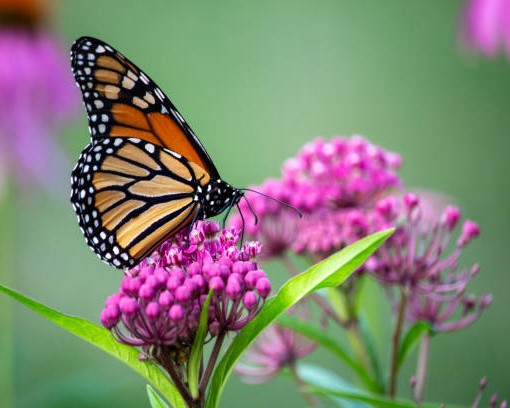
Here’s a secret: the real success lies in timing. Different plants bloom at different times, so having a succession of native flowers keeps your garden buzzing all season long.
I started with milkweed because monarchs rely on it exclusively for their caterpillars. But adding butterfly weed (which has this fierce orange color that’s irresistible), coneflowers, and black-eyed Susans created a buffet of nectar over months. And on cooler days, bee balm’s scent seemed to lure in the shyest species.
If you’re unsure where to start, visit your local native plant nursery. I once had a chat with a local horticulturist who recommended planting clusters rather than singles—apparently, butterflies spot patches of color better than isolated flowers.
Offer Cozy Spots and Mineral Snacks
Butterflies don’t like being buffeted by wind or rain. Providing shelter with some native grasses or shrubs near your flower beds can make a huge difference.
And here’s a quirky fact: they often gather around puddles to sip minerals and salts—a process called “puddling.” I spotted this behavior on a shallow dish I set up with damp sand, right next to my milkweed patch. Watching them cluster and share the spot was fascinating.
Skip the Chemicals—Invite Helpers Instead
I learned the hard way to avoid pesticides. Once, a patch I sprayed not only killed aphids but also wiped out a bunch of caterpillars. Instead, embrace natural pest control like ladybugs and lacewings. They tend to show up if the ecosystem is balanced, and your garden feels more alive for it.
Stories from the Garden Front
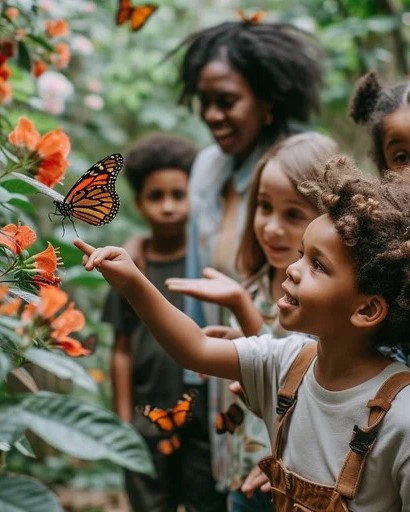
- Jane’s Balcony Miracle: Jane lives in a busy city apartment. With only a handful of pots on her balcony, she planted milkweed and coneflowers, unsure if anything would come. Within weeks, monarch caterpillars appeared, munching happily on the leaves. Before she knew it, butterfly chrysalises dotted her plants, and the release of those first butterflies felt like a private celebration in the cityscape.
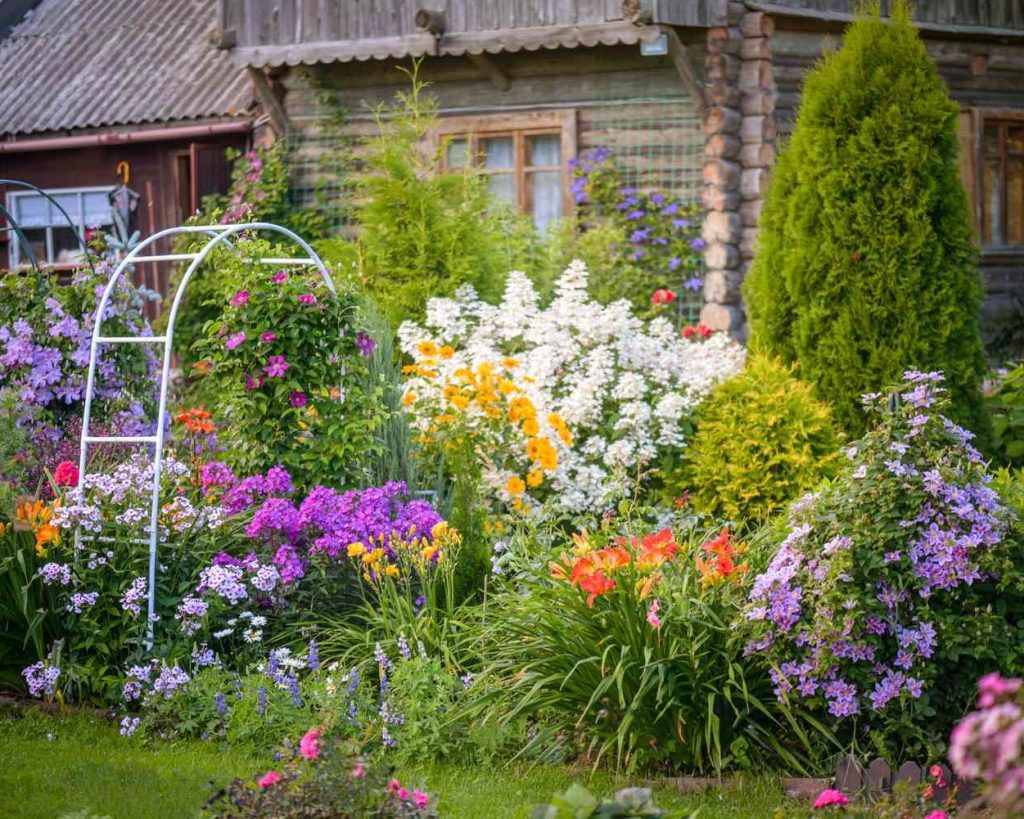
- Mike’s Backyard Revival: Mike converted a neglected lawn corner into a wildflower haven. He grouped black-eyed Susans, bee balm, and milkweed together. One summer day, he counted over a dozen different butterfly species visiting simultaneously. The surprise was how the effort not only livened up his yard but also became a meditation spot for him—watching transformation unfold teaches patience in the best way.
- The School Garden Buzz: A local school turned a bare patch of dirt into a garden teaching kids about life cycles and ecology. They planted native flowers and put up educational signs. The students cared for it, discovering caterpillars and learning to identify butterflies. It became a little sanctuary, buzzing with pollinators and curiosity.
Challenges You Might Face and How I’ve Dealt With Them
- Butterflies Playing Hard to Get: It can take a whole season or two before your garden starts attracting steady visitors. I remember anxiously waiting, wondering if I’d failed—then suddenly one day, a monarch fluttered in, and patience paid off. Keep planting, watering, and observing.
- Weeds or Wildflowers? It’s tricky to tell sometimes. I once pulled out a “weed” only to find out it was a host plant for swallowtail caterpillars! Download a regional native plant guide, or better yet, connect with local butterfly enthusiasts who can teach you the subtleties.
- Space Constraints: It’s tempting to sigh over not having a yard, but even a single pot on a windowsill can host butterfly-friendly plants. Focus on quality—choose a few star players and give them good soil and water. I’ve had great luck with container-grown butterfly weed and bee balm on a small deck.
Why This Matters Beyond Beauty
Supporting butterflies means supporting a fragile thread in the broader ecological web. These insects help pollinate countless plants that provide food and habitat for other creatures. Plus, there’s a kind of therapeutic magic in watching life’s delicate flutterers up close—something every garden needs.
Ready to Begin? Here’s What I Did—and What You Can Do Next
- Look Up Your Local Natives: The Xerces Society website is packed with regional plant lists. I also used my state extension service’s resources to tailor my planting.
- Visit a Native Plant Nursery: Talk to staff and don’t hesitate to ask about bloom times and host plants. A good nursery can be your mission control.
- Start Small, Then Grow: I began with just three plants: milkweed, butterfly weed, and coneflower. Watching the butterflies discover them was addictive.
- Journal or Snap Photos: Tracking which butterflies visit and when enhances the connection and helps you notice subtle patterns.
- Tap Into Your Community: Garden clubs, Facebook groups, or local butterfly counts can introduce you to passionate folks and offer support.
Remember, every flower planted is a tiny beacon calling butterflies to your space. Over time, there’s nothing quite like the joy of seeing caterpillars transform into chrysalises, then emerge into fragile, colorful wings—nature’s most exquisite reminder of change and hope. You’re not just planting a garden, you’re nurturing life’s delicate miracles right in your own backyard.