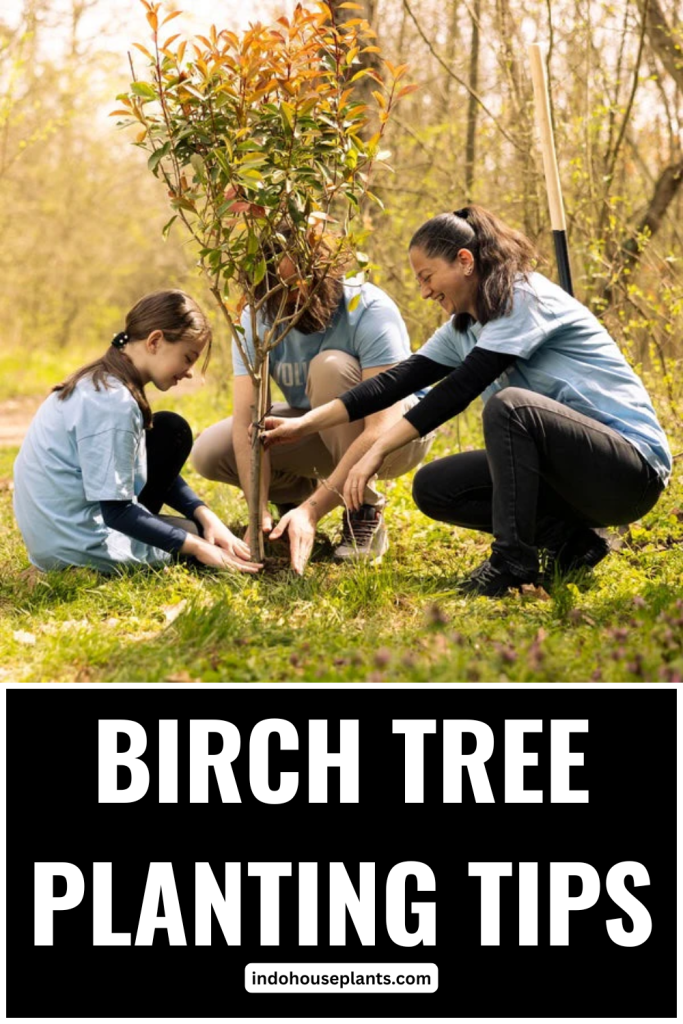
Planting a birch tree isn’t just about digging a hole and dropping in a sapling—there’s a rhythm and nuance to it, like giving life to a natural sculpture that will evolve with your yard for decades. I remember planting my first river birch near a little creek on my property, and it taught me more about patience and observation than any how-to could. Here’s what I learned, which might just save your tree some stress and frustration.
Birches Are Deceptively Sensitive
Birches demand well-draining soil because soggy roots kill them slowly but surely. But they also like a bit of moisture—so think of them like Goldilocks trees, not too wet, not too dry. When I planted my river birch, I chose a spot where water naturally gathered but didn’t stagnate, and making sure the soil was sandy or loamy helped.
You’d be surprised how often people overlook the soil texture, thinking just any garden soil will do, but that’s a big mistake.
Sunlight Matters More Than You Think
One thing most people don’t realize is that birches are quite fussy about sunlight—not blazing sun all day, but at least 4-6 hours, preferably morning light. My paper birch thrived under a dappled light canopy where it got sun before noon, which seemed to keep its leaves from scorching and prevented windburn.
Choosing the Right Birch Variety
If you’re selecting a variety, don’t just go by the popular names. I once picked a yellow birch thinking I’d get a showy tree for my mid-Atlantic garden, only to find it struggled in our summer heat.
Now, I’m partial to river birch for warmer, humid zones, while paper birch is my go-to for cooler spots. Checking the USDA hardiness zone is crucial, but also talk to neighbors or local gardeners about what’s worked for them because microclimates can surprise you.
Prepping the Soil for Success
When prepping the soil, don’t just test pH and move on. The organic matter you add—compost, pine needles, peat moss—acts like a slow-release buffet for your new tree.
After planting, you’ve got to think like a tree whisperer: water deeply but less frequently, and only when the top couple of inches are dry. Shallow daily watering encourages weak roots and fungal problems, something that almost cost my first birch its life.
A Crucial Planting Tip
Here’s a tip that worked wonders for me: when planting, loosen those circling roots gently with your fingers before planting—they tend to keep growing in loops if left untouched, choking the tree’s growth potential. I once skipped this step in a hurry, and the tree’s growth stagnated for a few seasons.
Mulching the Right Way
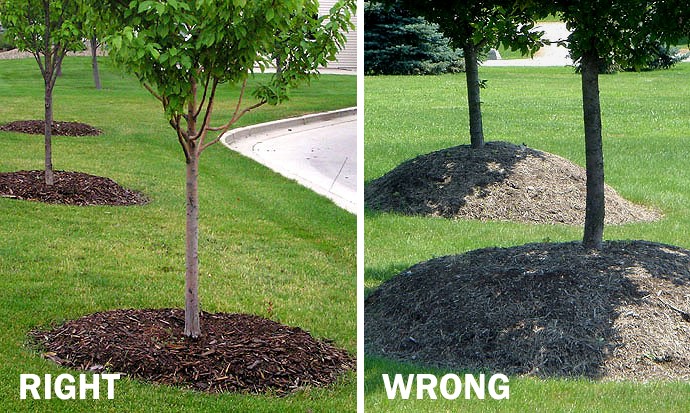
Mulching is another area where nuance counts. It’s tempting to heap the mulch up against the trunk, but that invites rot and pests. Keep a small gap—about 2-3 inches—between mulch and trunk.
Plus, fresh wood chips or shredded bark not only keep moisture steady but also bring beneficial microbes to the root zone, boosting the tree’s health in ways you wouldn’t expect.
Real-Life Birch Lessons
A couple of real moments from my birch journeys:
- Planting a river birch near a small pond taught me the importance of watching the soil. Even though it tolerates moisture, after heavy rains the roots felt soggy. I dug a slight berm to elevate the root flare, and the tree responded by growing a full canopy the following year.
- My paper birch lives on a north-facing slope with fast-draining loam. Winters here are harsh, but the snow cover protects the roots, and by supplementing the soil with leaf mold every fall, I keep it happy.
Troubleshooting Common Problems
- Clay-heavy soil? Create raised beds or berms to help drainage, or mix in compost and pine bark fines.
- Pests? Young birches are a favorite snack for rabbits and deer. I wrapped mine with breathable tree guards and watched for aphids or scale—early sprays of insecticidal soap prevent infestations.
Final Steps for Success
Planting a birch is really about creating a partnership. It’s not a “set it and forget it” deal. Birches tell you when something’s off, with droopy leaves or bark changes, so stay curious and responsive.
If you’re ready to take the plunge, start by:
- Identifying your climate zone—this will save you a ton of trial and error.
- Talking with local gardeners or extension agents about varieties that really shine nearby.
- Testing your soil early and planning amendments based on what you find.
- Picking your planting spot with an eye for morning sun and good airflow.
The patience you invest will pay off with a birch that’s not only beautiful but also a lively part of your landscape’s story. Watching those papery white trunks glow in filtered light or a golden canopy flutter in fall—it’s one of those gardening rewards that never gets old.