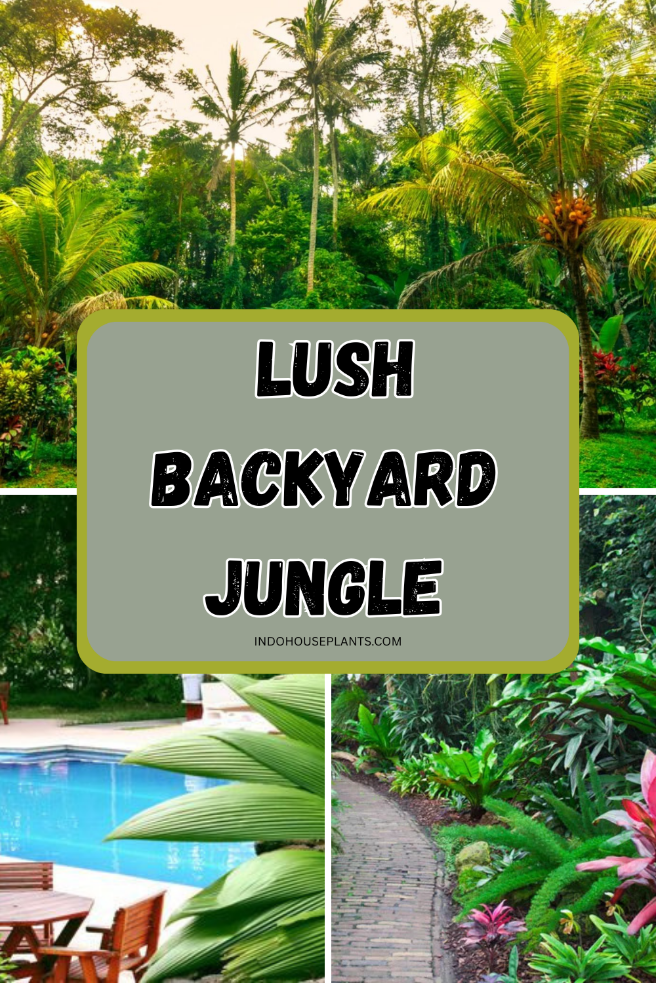
Turning your backyard into a jungle retreat isn’t just about piling on plants until it looks wild—it’s an experience, a vibe, a little bit of magic you craft with intention. I’ve done this myself, starting with just a sad patch of grass, and what I learned is that you don’t need a tropical rainforest to feel like you’ve stepped into a secret, lush hideaway. It’s about layering thoughtfully, choosing plants that play well together and fit your lifestyle, and adding those touches that make wildlife want to hang out in your space too.
How to Build Your Backyard Jungle—The Way I Did
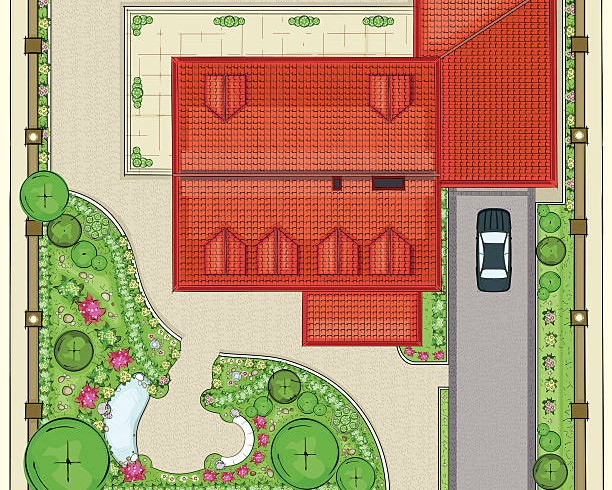
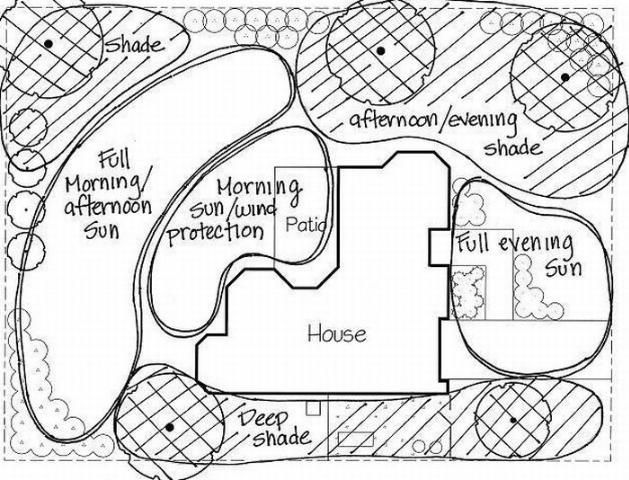
Start With a Simple Map, But Imagine in 3D
When I began, I just used a notebook and sketched out the yard from above. But what really helped was thinking vertically—the jungle isn’t flat!
- I marked where I’d put tall plants like bamboo or palms against fences for height.
- Then I placed mid-layer plants like philodendrons and ferns around them.
- Finally, ground covers softened the edges.
It’s like building a living cake: each layer supporting the next.
Bonus tip: Use a cheap smartphone app like Garden Plan Pro or even a free drawing app to play with plant placement before you dig. I wasted less time and money that way.
Choose Plants That Feel Wild, But Won’t Take Over Your Life
Here’s what a lot of people don’t know: clumping bamboo varieties are your friends, running types are nightmares. My first bamboo planted near the fence stayed neat and tall without invading neighbors’ yards.
I paired it with Japanese painted ferns and hostas—which, thanks to their big, soulful leaves, instantly gave that jungle vibe with minimal fuss.
If you want pops of color, caladiums are like little fireworks for your jungle floor. My tropical hibiscus survived a mild winter by hunkering down, but if your climate is colder, those make great potted plants you can move inside.
Nature’s Materials Make the Difference You Can Feel
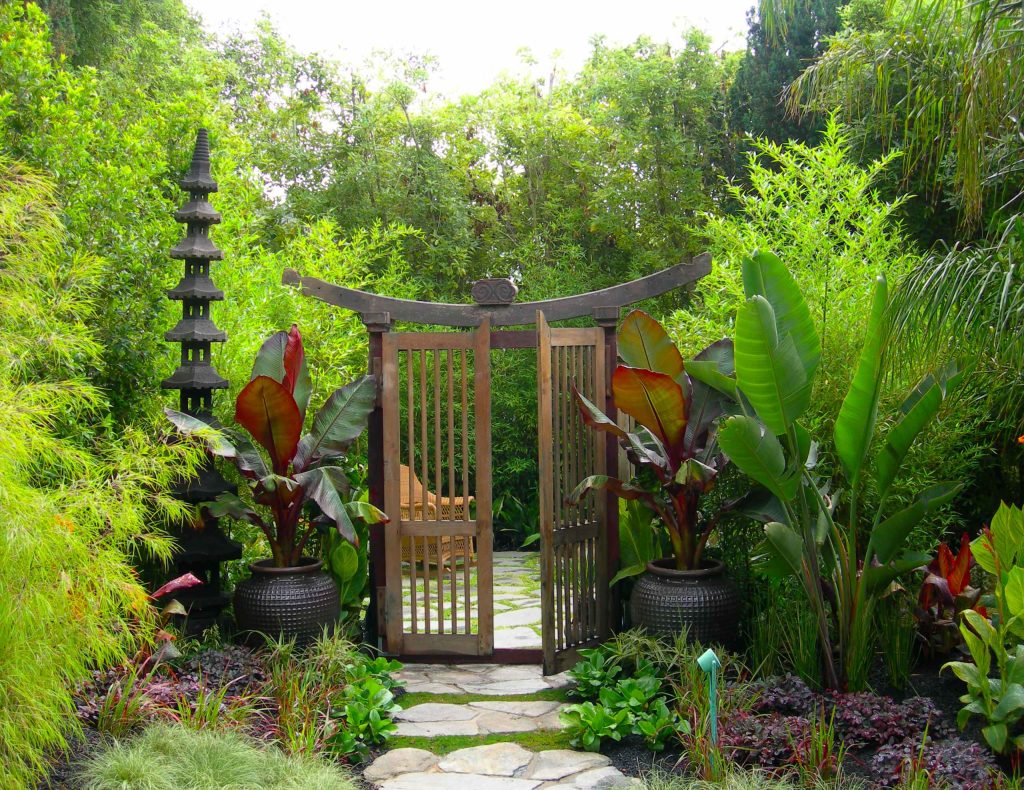
Concrete feels cold and out of place, right? I swapped out a cracked cement path for irregular flagstone stepping stones nestled in moss and creeping thyme. The sound of my shoes on stone mingled with birdcalls made me realize how much these textures add to the experience.
I also scavenged driftwood at a nearby beach to set along the borders, creating natural, curvy “fences.” The wood ages and blends in wonderfully, way better than any manufactured edging.
Invite Wildlife Like an Invisible Guest of Honor
A backyard jungle thrives on life. When I installed a shallow birdbath near my favorite reading chair, the birds showed up within days—including a cheeky cardinal that made my mornings brighter.
Nearby, I piled a small stack of logs and leaf litter, which turned out to be a frog haven (who knew backyard frogs were such good listeners?).
Planting nectar-rich flowers like butterfly bush brought in swarms of butterflies that danced all summer—nothing like watching nature’s colorful ballet right at your doorstep.
Small Water Features Add Unexpected Depth
I didn’t have room or budget for a pond, so I bought a simple ceramic bowl, filled it with water lilies, and topped it with a solar bubbler. The soft bubble sounds added humidity and life. The local bees and hummingbirds also stopped by for drinks.
If you want to avoid a bigger project, this little water trick is wildly effective.
What I Learned the Hard Way
- Jungle does not mean jungle-jungle chaos. I struggled at first by planting too many wildly growing species. Pruning and patience helped me turn it into a stunning layered garden rather than a shrub jungle tangled mess.
- Vertical space is your secret weapon. I hung planters with trailing vines on my fence, doubling my planting space without sacrificing the tiny patio area.
- Go native when possible. Some native ferns and shrubs thrived better than imported tropicals. A couple of native hollies and spicebush added texture and attracted native pollinators, making the whole environment more resilient.
- Plant diversity beats pest chaos. Instead of one kind of plant, mixing ferns, palms, grasses, and flowering plants kept pests at bay naturally. I barely had to use any treatments.
Visualize These Real-Life Corners
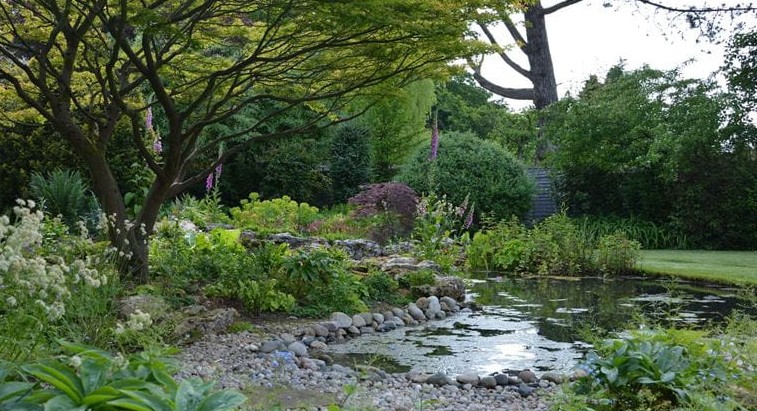
- My friend Sarah converted a small side patch by planting a dense bamboo screen behind Japanese painted ferns and hostas. She added uneven slate paths, a birdbath, and was amazed when goldfinches and wrens became daily visitors.
- Mark, who lives in a townhouse, turned his sunniest deck into a mini jungle by clustering potted palms and philodendrons, layering bark mulch between planters, and installing a solar-powered fountain. His backyard feels like an island escape—neighbors always comment on the calming sounds.
- Lisa’s secret corner uses pampas grass for height with bright green sweet potato vines trailing out. Logs arranged vertically became frog homes, giving her that secluded “secret jungle” vibe she enjoys after long workdays.
Your Action Plan, From Someone Who’s Been There
- Sketch your backyard in layers, thinking up, mid, and down.
- Pick 5-7 easy-care plants, focusing on those that suit your climate and space (pro tip: ask your local nursery about what’s low maintenance and wins the jungle look).
- Find natural materials around you—stones, wood, mulch—to build paths and edging. Even a few stepping stones make a huge difference.
- Add a simple wildlife feature like a cleaned birdbath or a log pile to invite creatures to your jungle.
- Set manageable weekly goals, like planting ground cover on the weekend or placing a bird-friendly flower on your patio.
Jungle-style backyards are less about wild chaos and more about intentional layers, letting nature sneak into your everyday life. You’ll be amazed how quickly your backyard can transform once you start layering textures and inviting life in.
And remember—this is your jungle. Play with it, prune what doesn’t feel right, and enjoy every buzzing bee and birdcall that shows up.