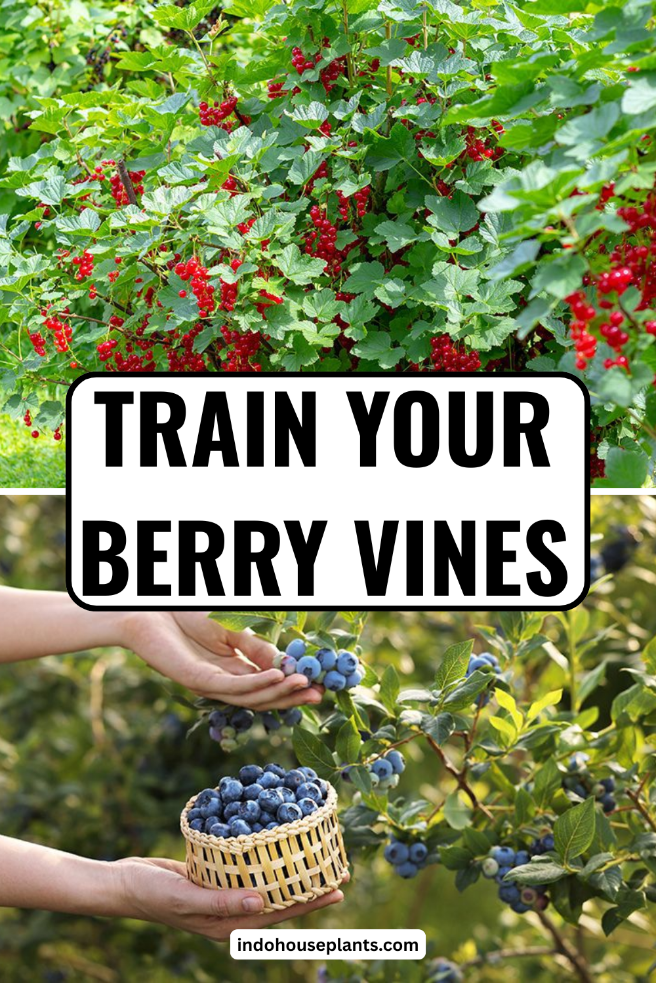
When I first started growing berry vines, I quickly realized these plants are kind of like unruly teenagers—they need guidance, boundaries, and a little encouragement to thrive. Left to their own devices, berries like raspberries or blackberries will sprawl everywhere, crowd themselves, and whisper “disease party” to every fungus within a mile. Training your berry vines isn’t just about looking neat—it’s the secret sauce to healthier plants and tastier fruit.
I remember my first raspberry patch: without any structure, the canes tangled into a mess that made harvesting feel like wrestling a thorny beast. Once I invested in a simple trellis system and started tying up those canes, it was like teaching them manners—they grew straighter, air moved through the row better, and the berries were cleaner and juicier.
Why You Should Stop Letting Your Berry Vines Just Do Their Own Thing
Berry vines naturally want to sprawl. It’s their survival instinct, but here’s what most people don’t realize: letting them run wild actually backfires.
- When the vines get all tangled, sunlight barely reaches the leaves, which is like trying to run a business in the dark.
- Poor airflow from dense, untrained vines invites powdery mildew, mold, and other diseases to crash your garden party.
- The plant wastes energy growing weak, bushy shoots that produce tiny, lackluster fruit instead of plump, delicious berries.
Training directs the plant’s energy right where you want it: strong, upright canes loaded with fruit.
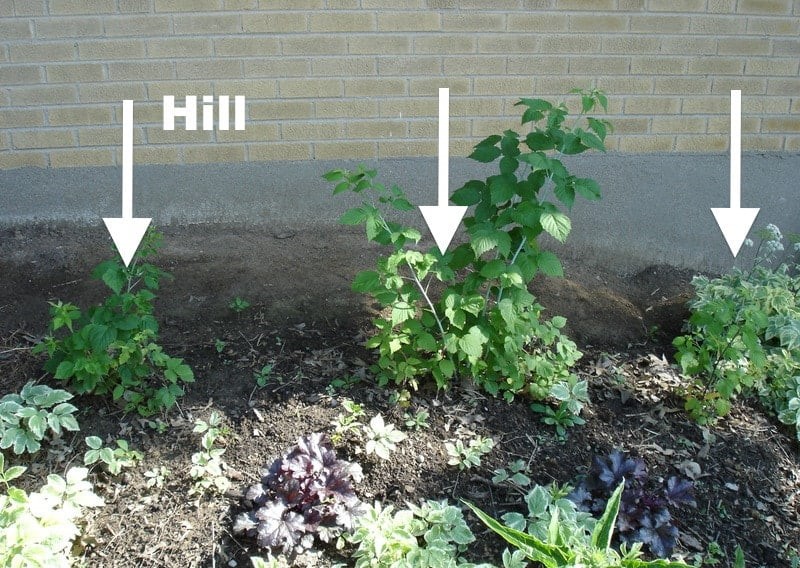
My Simple Blueprint for Training Berry Vines
1. Build or Buy a Support That’s Tough Enough
You don’t need anything fancy. I use a DIY T-trellis made from sturdy wooden posts and galvanized wire, spaced roughly 18 inches apart and about 4 feet high. Bonus: you might even save money by repurposing old fence posts or scrap wood.
The key? Make sure it won’t sag under the weight once your vines start bullying it. The first time my trellis collapsed under a blackberry thicket, I had a learning moment: invest in sturdier support upfront.
[IMAGE: Close-up of a well-built berry trellis with labeled parts]
2. Plant Close to Your Support
If you plant your berry canes further than a foot away, you’ll curse yourself when the first shoots refuse to climb. Keep them within easy reach so tying is effortless and the vines grow up—not sideways.
3. Choose Your Star Canes Early
During the growing season, scout for 3 to 5 strong shoots—the ones that look vigorous and healthy—and devote your care to them. These will become your main fruit producers. I like to think of these as the A-team on my berry squad.
4. Tie Like You’re Cradling a Baby
Use soft ties—garden twine, old cloth strips, or even stretchy rubber ties. They should be snug enough to hold the shoot against the wire but loose enough to allow thickening without strangulation.
Pro tip: I’ve experimented with nylon stockings on young canes—they stretch and are gentle, plus they cost nothing if you have some old pairs around.
5. Prune Side Shoots Before They Take Over
Side shoots, or “laterals,” are like the gossipers in a group—they waste the plant’s energy and clutter space. Once your berries start developing, trim these back to about 6 inches. It’s a bit like giving your plants a haircut: feels scary at first, but it really lets them focus on producing fruit.
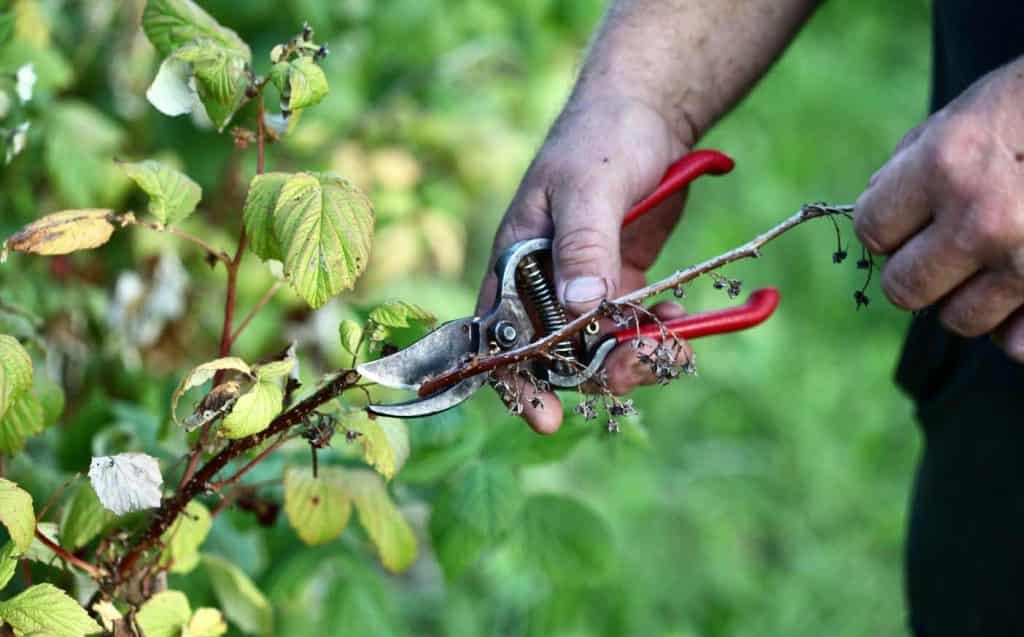
6. Cut Out Dead Weight
At the end of the season, chop away any dead, broken, or weak canes down to the soil level. It helps the plant breathe and signals spring growth what to do next year. I usually turn these into mulch around the base, saving resources and cutting waste.
7. Be Consistent—Your Vines Will Thank You
Checking every couple of weeks feels a bit like a chore at first, but it saves you from weekend panic when vines try to stage a takeover. These small, regular updates make harvesting easier and healthier.
What Training Looks Like in Real Life
- In my raspberry patch, early on I just let canes sprawl and had to crawl through thorny tangles every time I wanted berries. After setting up a trellis and tying the canes up, harvesting became a breeze, and the berries dried faster after rain—no more mushy disappointments.
- My blackberry vines were a jungle—thorns everywhere and little airflow. Training them on a wire fence opened them up surprisingly fast and made picking less like a battle. Plus, pruning side shoots has cut down my fungal infections.
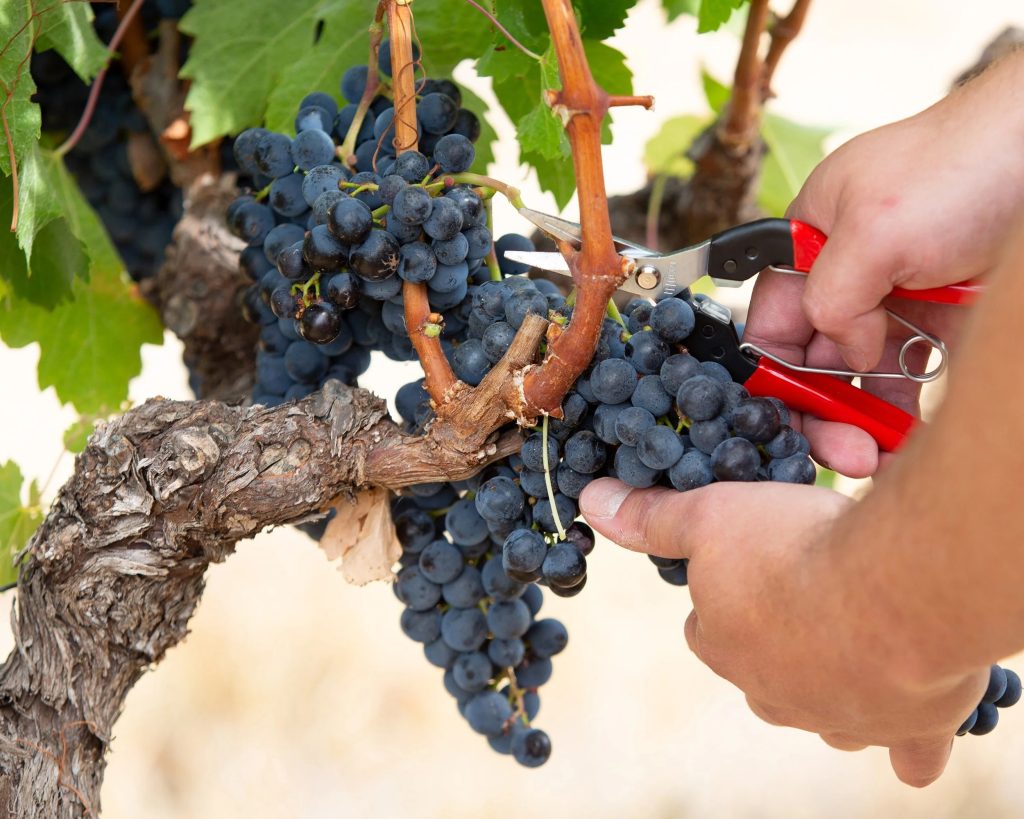
- Grapevine training felt like a puzzle at first, but once I learned to spread the shoots horizontally on the wires, the grapes started ripening more evenly. Pro tip: the better the light distribution, the sweeter the grapes.
Troubleshooting Like a Pro
- Support Collapses or Vines Fall Over: I once underestimated the sheer force of mature blackberry canes. The lesson? Reinforce your trellis and plant closer so you aren’t tugging vines too far.
- Ties Too Tight and Cutting Into Stems: Switching to softer materials made all the difference. Nylon stockings even became my go-to—who knew?
- Side Shoots Running Wild? It’s tempting to think they’re harmless, but prune aggressively once fruit starts forming. Think of it as keeping a clean garden desk rather than a cluttered one.
- Scared of Pruning? Start by cutting only the obviously dead or weak branches. I promise the plant is resilient, and over time you’ll develop an eye for what to keep.
A Final Word to Fellow Gardeners
Berry vine training might sound like a lot at first, but it’s honestly one of the most rewarding parts of growing your own fruit. The difference in berry quality and ease of harvest has made me a lifelong convert.
More than just growing food, training teaches patience, observation, and a conversation with your plants—you learn their quirks and rhythms.
Next time you’re out in your garden, grab a handful of soft ties and take a few minutes to gently guide those shoots where you want them. It’s a small thing with big payoffs.
What to Do Right Now
- Find or build a trellis system that won’t wobble under pressure.
- Scout for your strongest berry canes this week.
- Gather soft garden ties or repurpose old clothes or stockings.
- Tie those shoots gently, giving them room to grow.
- Set a reminder two weeks from now for your next check-in.
You’re not just training plants—you’re shaping a fruitful friendship that will keep on giving. Keep at it!