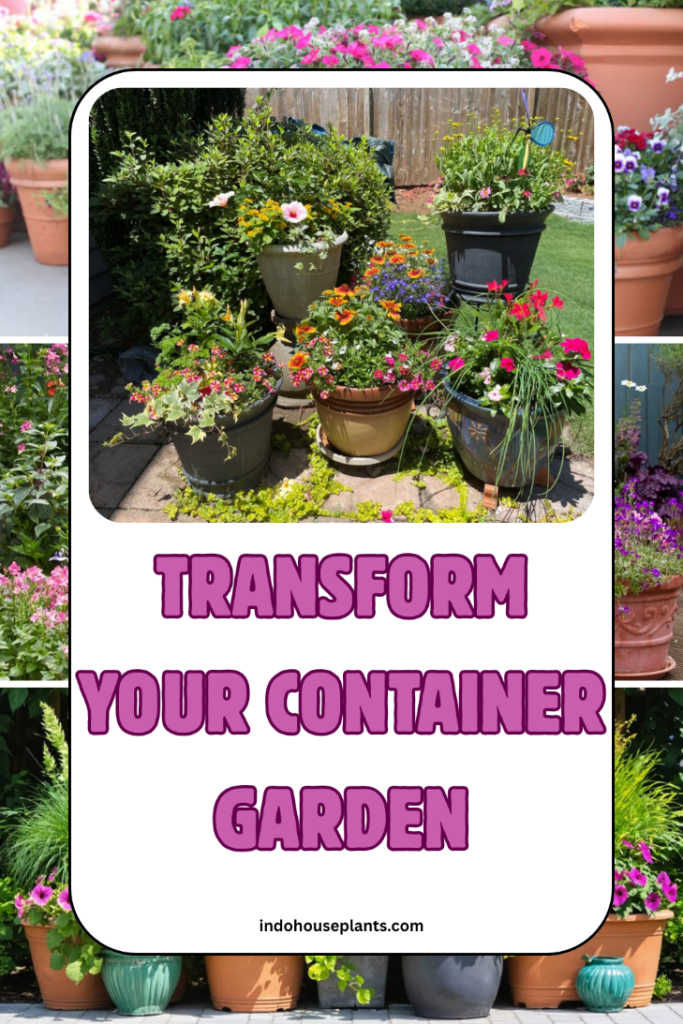
When I first got into container gardening, I struggled with plants that looked… well, leggy and sorry for themselves. You know the type: a couple of leaves perched on sticks, with bare spots that make the whole pot feel kind of sad. That’s where embracing bushy container styles completely transformed my little garden corner—and honestly, it changed how I think about plant care forever.
Here’s what most folks don’t realize: a bushy container isn’t just about slapping a plant into a pot and hoping for dense greenery. It’s a mindset and a process rooted in understanding your plant’s growth habits and gently guiding them to fill their space generously and gracefully.
What Bushy Container Styles Really Mean
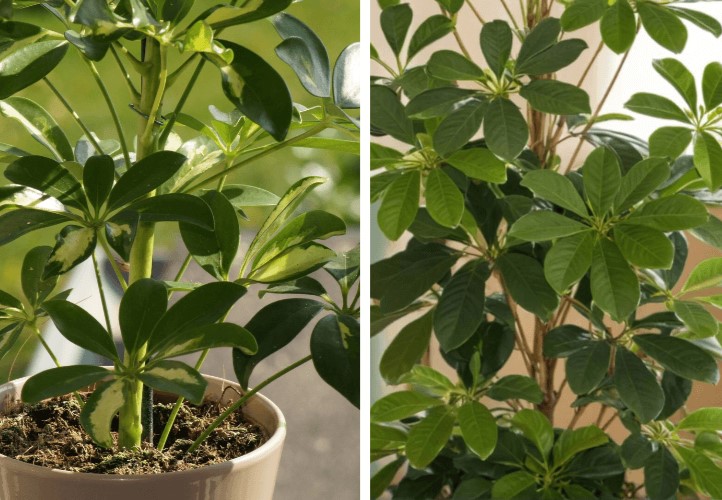
Think of it like sculpting with plants. Instead of letting branches shoot up randomly, bushy container style is about fostering thick, lush foliage that blankets the pot evenly, with no embarrassing bald spots. Imagine a small evergreen, like boxwood, trimmed so tightly it almost looks like a living green pillow. That’s the visual goal—and it’s about as satisfying to achieve as nailing the perfect angle on a DIY project.
The deeper win here, beyond looks, is plant vitality. When branches grow closely together and shade their own stems and roots, they hold onto moisture better and keep pests at bay. I’ve noticed my bushier containers suffer far fewer infestations and drooping moments than their lanky counterparts.
My Tried-and-True Approach to Creating Bushy Containers
1. Pick Plants That Want to Be Bushy
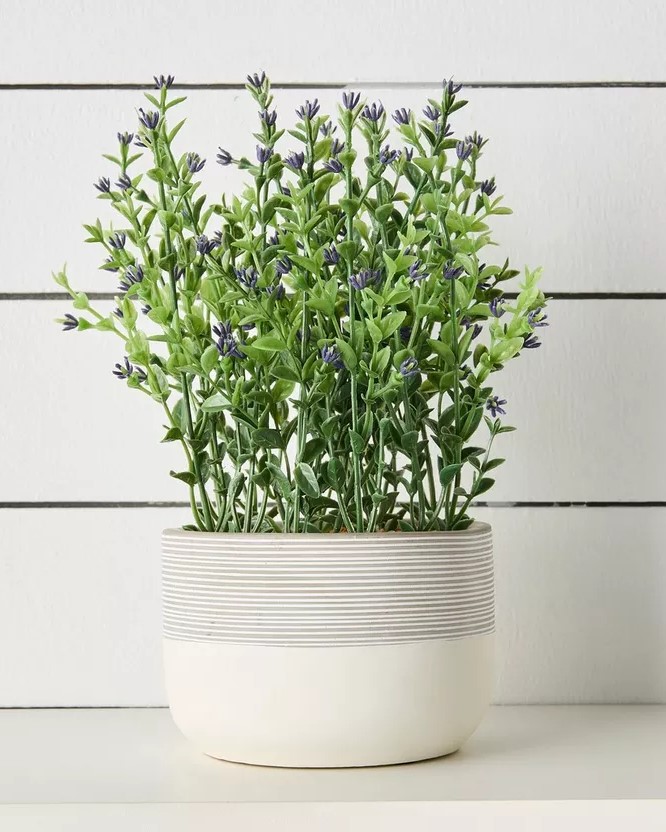
Boxwoods are my go-to because they’re forgiving and respond beautifully to shaping. I’ve also had great success with rosemary and thyme—not only do they grow thick and fragrant, but their flexible stems make pruning feel like sculpting clay. Lavender is another favorite, though you do have to be a bit more hands-on with timely cuts.
2. Pot Size and Shape Matter More Than You Think
When I first tried to cram a shrub into a tiny pot, it stressed out the plant, making it scraggly and weak. Now I size pots so the plant has room to grow outward—about 2-3 inches bigger than the root ball on all sides—and use containers with great drainage. Nothing kills bushy ambitions quicker than soggy roots.
3. Plant With Purpose
Instead of plopping your shrub off-center or too close to an edge, place it right in the middle and give it breathing room. Good soil with a balanced mix of drainage and moisture retention is key. I use a blend of potting soil, perlite, and a pinch of compost for nutrient boost, and it’s like a spa day for the roots.
4. Pruning as the Secret Sauce
Here’s what most people don’t know: the difference between a lanky plant and a lush one often comes down to snipping the tiny new shoots regularly. I trim about a third of new growth every couple of weeks during growing season—and those little clips send a clear message to the plant to branch out more.
For boxwoods, I follow the natural curve to keep that quintessential rounded look, but I always let the plant’s own shape guide me a bit. It’s a conversation, not a command.
5. Watering Like a Pro
Dense foliage means a thirsty plant, but overwatering turns everything into a mushy mess. I check soil moisture regularly and aim to keep it consistently damp but never waterlogged. When I get it right, the leaves stay that vibrant green and no yellow patches creep in.
6. Rotate, Rotate, Rotate
Full disclosure: I used to forget this step and would notice one side of my plants thinning out. Once I made a habit of turning my pots every few days, I saw an even spread of growth—and the plant looked happier for it.
Real-Life Wins That Prove It Works
One winter, I was determined to stop losing my front porch planters to winter browning. I grabbed two boxwoods—lovely little shrubs perfect for shaping—and planted them side by side.
- Pampered plant: Regular pruning, frequent rotation, balanced watering → plush green orb
- Neglected plant: Ignored → scraggly shoots and bare patches
That moment really hammered home that bushy isn’t magic—it’s methodical care.
Then there was my kitchen window herb project. Rosemary started out wild and sparse, but after I committed to trimming the tops every couple of weeks, it filled out so well I practically had a mini-garden in that small pot. Plus, having more leaves meant more fresh sprigs for cooking—an unexpected bonus.
Troubleshooting What Trips People Up
- Leggy Growth? Usually light is the villain. Move it to a brighter spot and prune regularly.
- Uneven Foliage? Rotate your pot—small effort, big payoff.
- Roots Outgrowing Pot? Repot or root-prune to save your bushy dreams.
- Yellow Leaves After Cutting? Avoid over-pruning (never more than a third at once) and keep watering steady.
Why You Seriously Can Nail This
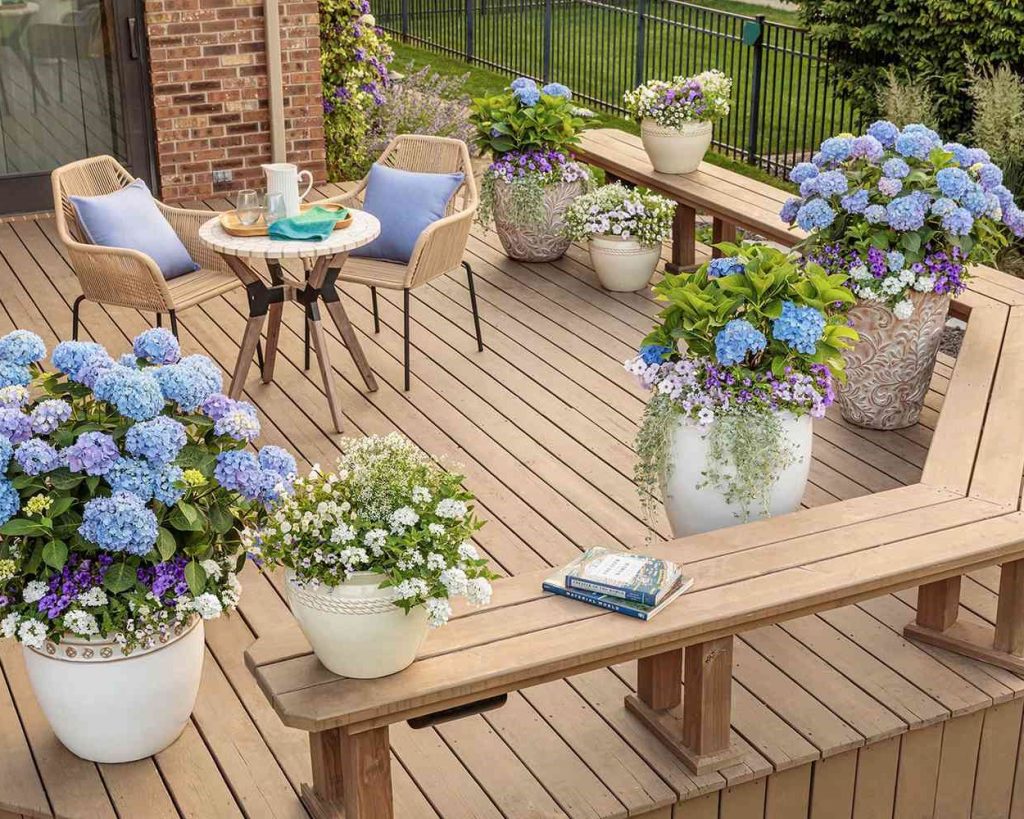
Bushy container styling isn’t reserved for pros or people with sprawling gardens. It’s about a few repeatable habits and paying attention to your plant’s needs. Once you see that first pot transform and fill with lush greenery, it becomes addictive in the best way.
And if you ever feel overwhelmed, remember—these plants are forgiving. My first boxwood was far from perfect, but with patience and practice, it’s now the leafy star of my porch.
Try This This Week
- Grab a hardy, dense-growing plant like boxwood or rosemary.
- Choose a pot 2-3 inches wider than the root ball.
- Plant centrally in well-draining soil (mix in perlite and compost).
- Lightly prune a third of new growth every 2 weeks.
- Rotate the container every 3-4 days for even light.
- Snap a weekly photo—you’ll be amazed at the difference!
Soon enough, you’ll be looking at containers that don’t just hold plants but showcase living, breathing bursts of green that inject life into your space. And you’ll know you did that yourself. That’s gardening magic worth every bit of effort.