Working with shohin bonsai always feels a bit like stepping into a tiny enchanted world where every twig and needle counts. The magic is in the details — a single pruning cut or bend can shift the entire balance of the tree. When I first took on styling a shohin pine, what struck me was how unlike larger bonsai it feels; there’s no room for clumsy cuts or heavy-handed wiring. It’s a delicate dance, shaping a whole miniature forest canopy on the palm of your hand.
What most beginners don’t realize (and I learned this the hard way) is that shohin styling is less about forcing a rigid shape and more about coaxing the tree’s natural character into harmony with its size. Take a Japanese black pine, for example. Instead of trying to cram in as many branches as possible, I learned to appreciate the spaces between — those breathing gaps create depth and elegance.
Early on, I pruned aggressively, fearing sparse spots would look unfinished. But stepping back, I saw the opposite: that negative space gave the tree lightness, letting each branch shine.
Here’s a more personal approach that worked wonders in my experience:
Start With What Feels Right, But Know Your Tree
A healthy shohin tree is your canvas, yes — but don’t just pick one that looks perfect on the shelf. Touch its branches, look closely at the buds, and don’t be afraid to walk away if it feels stressed or root-bound. When I bought my first Chinese elm shohin, it looked great but had some subtle stress signs — yellowing leaves, slow growth — those gave me a heads-up to be gentle and patient, especially on pruning.
Build the Silhouette Slowly — Think in Layers, Not Instant Trees
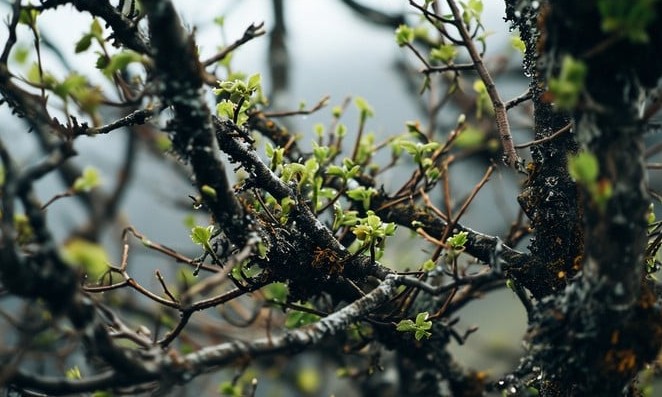
Instead of rushing to define a “final” shape, start by removing dead or crossing branches and establishing a simple tiered structure. I find it helpful to imagine peeling the tree like an onion, layer by layer.
With my shohin maple, I’d prune some inner shoots and then wait a couple of months to see how new growth fills the gaps before touching it again. This slow shaping respects the tree’s natural rhythm and builds a design that feels balanced from all angles.
Pruning Shohin Pines: The Secret Is Consistency Over Drastic Cuts
For pines, especially, people often think pinching back shoots is a one-time fix. But it’s really a season-long habit: regularly nip new growth before needles elongate excessively.
I’ve discovered that doing this every couple of weeks not only maintains those dense, compact pads but also encourages fine twiggy branches beneath, giving the tree dimension without clutter. The Bonsai Empire guide on pine pruning is a great resource for this technique.
Wiring With Finesse — Less Pressure, More Patience
Shohin branches are fragile little things; they can snap faster than you expect. I never wire without wrapping the branch first in raffia — this’s a trick I picked up watching a master in Japan where they almost cradle every branch before wiring.
It cushions the bark and lets me be confident applying just enough tension to coax curves without damage. And here’s what most people don’t know: it’s okay if the tree resists at first. Patience wins. I often rewire after a couple of weeks to refine bends rather than forcing harsh angles in one go.
Balancing Growth With Leaf Size — Defoliation Isn’t Just for Show
Defoliation can seem scary — like you’re hurting your tree — but if done correctly, it’s a powerful tool to maintain that miniature look. For my summer-red maple, partial defoliation mid-growing season shrinks leaf size over the following year and enhances ramification.
A small personal insight: I only remove about half the leaves at a time to avoid stressing the tree, always pairing it with a gentle fertilizer boost.
Root Care: The Unsung Hero of Shohin Success
Since shohin bonsai live in such tiny pots, root pruning is crucial to keep the tree healthy and proportional. Early on, I let roots get a bit out of hand, and the tree looked tired and sluggish.
After switching to regular root trimming every 1-2 years and refreshing the soil, I saw a clear difference — tighter, healthier root balls translated to livelier foliage and more compact growth.
Real-Life Styling Example: My Shohin Chinese Elm Journey
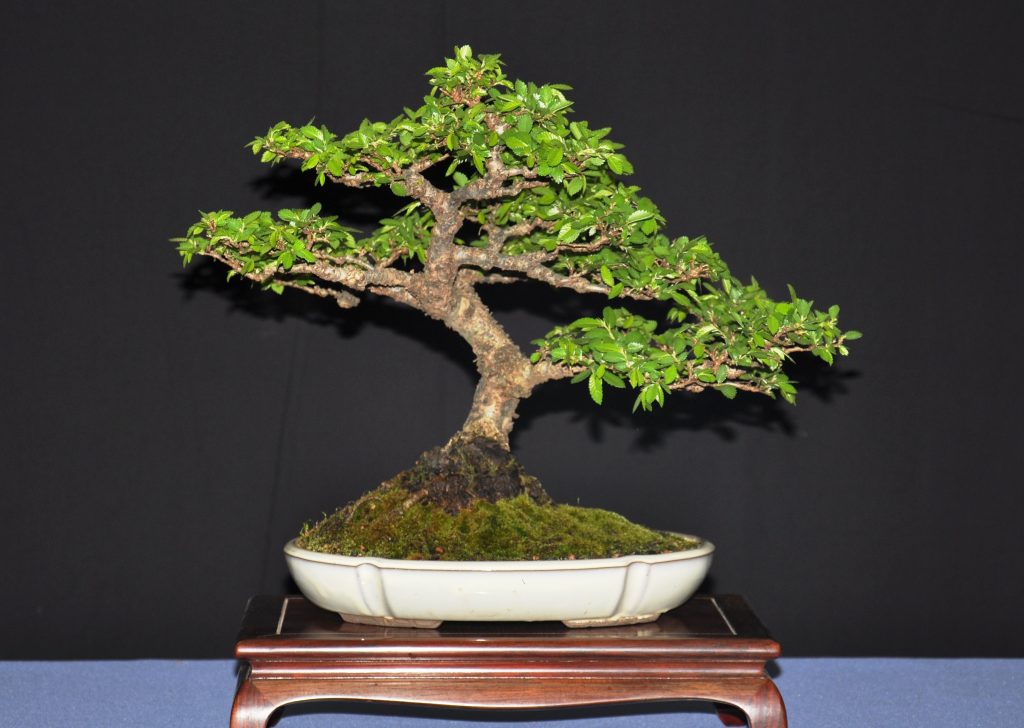
When I brought home a young Chinese elm shohin, I began trimming new shoots back to two or three leaf pairs throughout the growing season instead of all at once. This fastidious pruning encouraged dense branching, which means the tree quickly filled out with fine twigs without looking bushy or wild.
Wiring those slender branches into gentle S-curves gave it that natural grace — soft, approachable, and far from stiff or artificial.
Common Challenges I’ve Encountered — And How I Tackled Them
- Wire marks cutting into tiny branches? I always add that raffia wrap now, and if I notice indentation early, I unwrap quickly and loosen the wire. It’s tempting to leave it on, but that’s how scars and damage start.
- Branches refusing to bend? For stubborn growth, I back off wiring for a few weeks and give the tree time to respond to pruning stress. Then come back gently with wiring — forcing bends too early is a shortcut to snapped branches.
- Leaf size too big on broadleaf species? Defoliation combined with balanced fertilizing was a game-changer. I also adjusted watering to avoid excessive growth spurts that make leaves oversized.
- Overly dense canopy? My instinct was to fill every empty space at first, but I learned to embrace selective thinning, removing weaker, inward-growing shoots to create air and light gaps. This brings out the silhouette and prevents that overcrowded “hedge” look.
Starting Your Shohin Journey — The Mindset to Adopt
What I wish I’d known starting out: styling shohin bonsai isn’t just about perfect technique; it’s about developing a relationship with the tree. It’s slow, incremental, with moments of frustration when a branch snaps or growth stalls — but those moments teach you more than a flawless session ever could. This is living art, evolving with you.
What You Can Do Right Now
- Find a shohin tree that speaks to you, ideally a species known for resilience like Japanese black pine or Chinese elm. Feel the branches, check for vibrant buds, and trust your gut.
- Get familiar with basic tools — sharp shears, thin wire (1-2 mm), and raffia wrap for wiring protection.
- Set aside time not just to prune or wire but to observe your tree from different angles in natural light; these little moments inform your styling decisions.
- Document your progress with photos — it’s incredible to see how subtle changes add up over months.
- Connect with other shohin enthusiasts online or locally; seeing others’ trees and hearing stories can inspire new ideas and build confidence.
Small hands, big rewards—that’s the essence of shohin bonsai. Embrace the patience, relish the details, and before long, you’ll watch your tiny tree become a breathtaking miniature story of nature and nurture, shaped by your own careful hands.