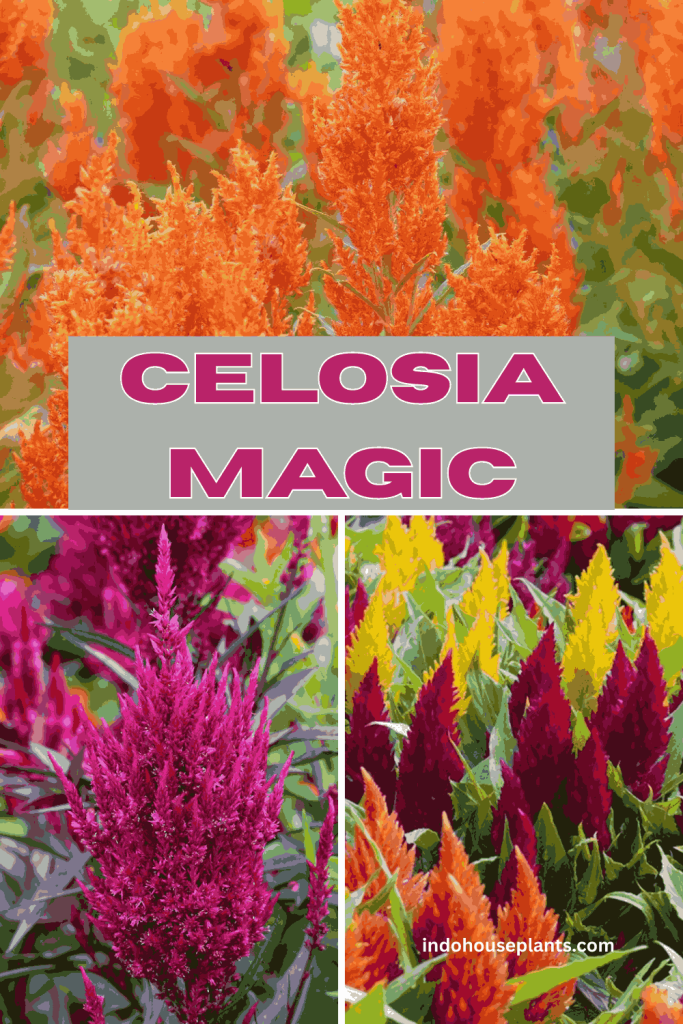
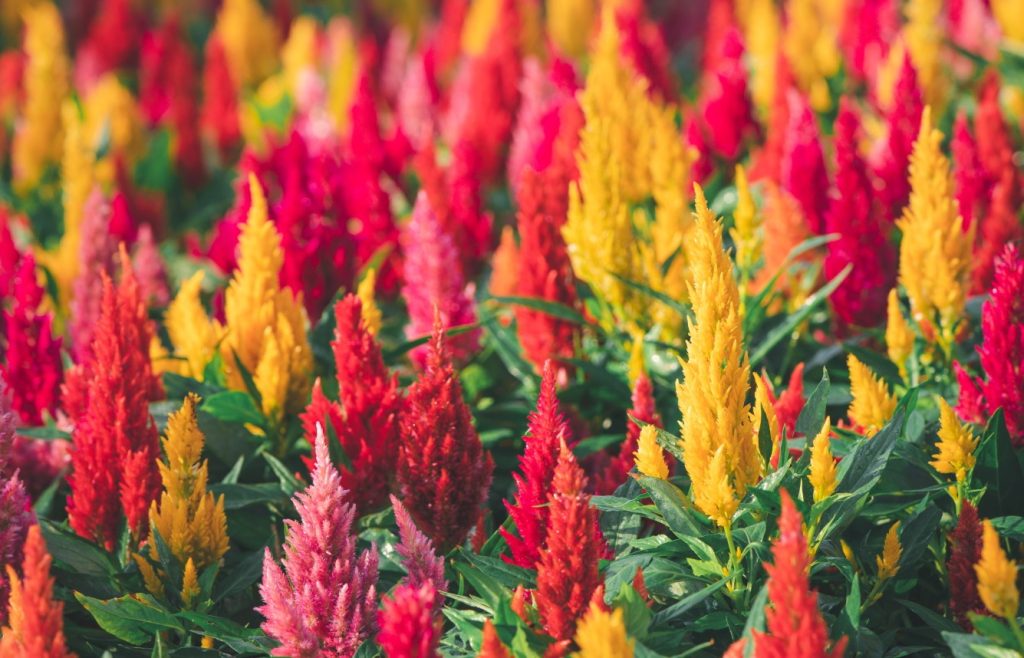
Celosia has this magnetic way of grabbing attention in any garden or container—it’s like the showstopper you didn’t know your outdoor space was craving. I remember my first encounter with celosia; I was skeptical about those furry, plume-like flowers looking out of place among my usual petunias and pansies. But once they started blooming, it was like they brought a whole new energy to the garden—a vibrant, almost sculptural texture that nothing else offered.
Here’s the thing most folks don’t realize: celosia thrives on simplicity. You don’t need a fancy garden design degree or expensive soil amendments to make it pop. It’s forgiving, bold, and frankly, a bit addictive once you see how it commands attention.
How I Craft Celosia Displays That Turn Heads
- Hunt for the Sunniest Spot You’ve Got
Celosia is a sun worshiper—if it doesn’t get at least 6 hours of direct sun, it won’t stand tall and proud. I once tried planting some in a partially shaded corner and ended up with spindly, lackluster blooms. Lesson learned: full sun or nothing. Also, watch the drainage—these plants hate soggy feet like we hate soggy shoes after a rainstorm. Well-draining soil or containers with drainage holes are non-negotiable. - Soil Prep: Less Is More, But Don’t Neglect It
I’m a big fan of mixing in homemade compost whenever I can. It’s like giving your celosia a tiny power snack before the show. Neutral-ish pH works fine; I don’t obsess over exact numbers—I focus more on soil texture. Light and crumbly beats heavy and compact every time. - Varieties & Colors: Play With What Speaks to You
There’s a lot to choose from—the feathery plume type feels like the drama queen of the family, while the brain-like crested kind has this fascinating texture that demands a closer look. My go-to for bold impact? Bright reds and fiery oranges. I usually stick to two or three shades max. There’s something about limiting the palette that actually makes a garden feel more cohesive—not busier. - Planting: Timing & Spacing Matter
Starting celosia from seed was a small adventure for me. I’d start indoors about 6-8 weeks before the last frost, keeping the seedlings warm and light-fed (a cheap fluorescent lamp works wonders). Once they’re outdoors, I plant them 8-12 inches apart, enough room to breathe and fill in without crowding. If you buy seedlings, don’t be shy—space them properly right away for that lush, fullest effect. - Water & Feed With Intention
Celosia likes a drink, but not a swamp. I water at the base to keep those fluffy flowers dry and happy (fungal problems hate that). Feeding every 4-6 weeks with a balanced fertilizer keeps the blooms coming strong. One tip that changed my garden game: using a liquid fertilizer during heatwaves gave my celosia the boost it needed to keep looking fresh. - Design Tricks That Make Celosia Shine
- For Borders: I love planting red celosia behind a low-growing white alyssum—it’s like the celosia gets a white spotlight all summer.
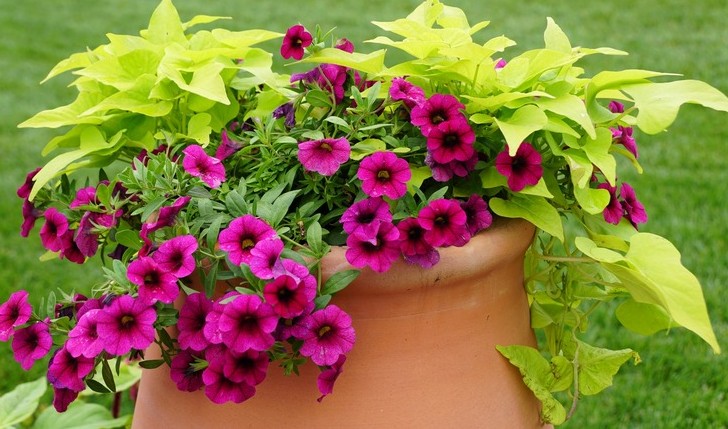
- In Containers: Pairing celosia with trailing plants like sweet potato vine softens those spike shapes, creating a beautiful contrast and unexpected depth.
- Mass Plantings: Nothing beats the drama of a sea of orange celosia with a neat block of yellow tucked in. It’s simple but powerful.
Real-Life Stories From My Garden Adventures
- One summer, I flipped what I thought was a tricky spot—next to a driveway with gravel soil—into a mini tropical oasis by planting hot pink plume celosias in colorful pots. The plants not only thrived but became the neighborhood’s unofficial “welcome” sign, drawing compliments from complete strangers.
- Another time, I spotted a gardening friend who paired deep red crested celosia with sunflowers. The contrast between the textured celosia and tall, sunny sunflowers was so striking; it looked like a carefully choreographed dance of colors and forms.
When Things Get Tricky—Here’s What Worked for Me
- If your celosia looks lanky, the first check is always light. Moving the plant to a brighter spot, or pinching it back to encourage branching, revived mine fast.
- Yellow leaves? That was a sign I went overboard with watering. I adjusted by sticking to a “soil should feel moist, not wet” rule and adding mulch to help retain moisture without drowning roots.
- When blooms fade early, a quick fertilizer boost gave a second wind—think of it as a pep talk for your plants.
Why Celosia Is the Garden Daredevil You Want
Every season, I’m amazed at how this one plant can elevate an entire space from “meh” to wow. It’s bold, textural, and incredibly eye-catching—all without needing a green thumb that only a few possess.
And here’s what most people don’t know: celosia also lasts beautifully as a dried flower, so you can bring that vibrant magic indoors long after the garden season ends.
Ready to Dive In? Here’s Your Action Plan
- Scout your sunniest spot or grab containers with drainage—a simple detail that makes all the difference.
- Choose celosia colors that resonate with you. Don’t overthink it—trust your gut and go vibrant.
- Prep the soil with a bit of compost or opt for a quality potting mix if you’re container gardening.
- Plant seedlings or start seeds indoors before the frost dances away, then space them generously.
- Water mindfully, feed with a balanced fertilizer, and keep an eye out for signs your plants are yelling for attention.
In just a few weeks, you’ll see those velvety plumes rising, turning your garden or porch into a canvas of fiery artistry. Celosia isn’t just a flower; it’s a bold statement that says your garden has personality. And trust me, once it’s in the mix, you won’t want to garden without it.