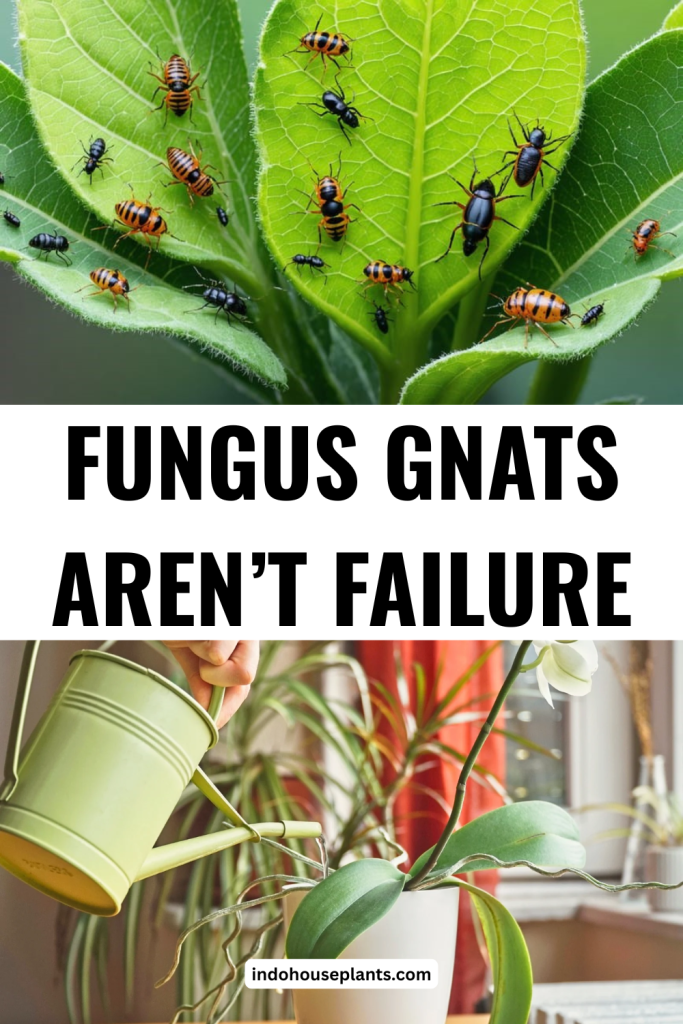
Let’s skip the fluff and get real: fungus gnats aren’t a crisis—they’re a signal. If you’re seeing those little flies bounce up from your plant pots, it’s not because you’re failing; it just means your watering habits are out of sync with your plants’ actual needs.
Here’s the key psychological insight most guides gloss over: every time you water on autopilot “just in case,” you’re not nurturing your plants, you’re feeding your anxieties—and providing an all-you-can-eat buffet for fungus gnats.
I’ll admit, my first skirmish with these bugs years ago hit me right in the plant-parent ego. I’d been watering my philodendron during each Sunday podcast, like clockwork. Suddenly, tiny flies everywhere. Felt like an indictment—until an old gardening mentor asked, “Are you watering your schedule…or theirs?” That was a forehead-smacker moment.
The Psychology of Overwatering
There’s something sneaky about wanting to nurture—or maybe even control—the outcome by sticking to rigid routines: “If I do this perfectly every X days, everything will thrive.” Reality? Plants are stubbornly individual.
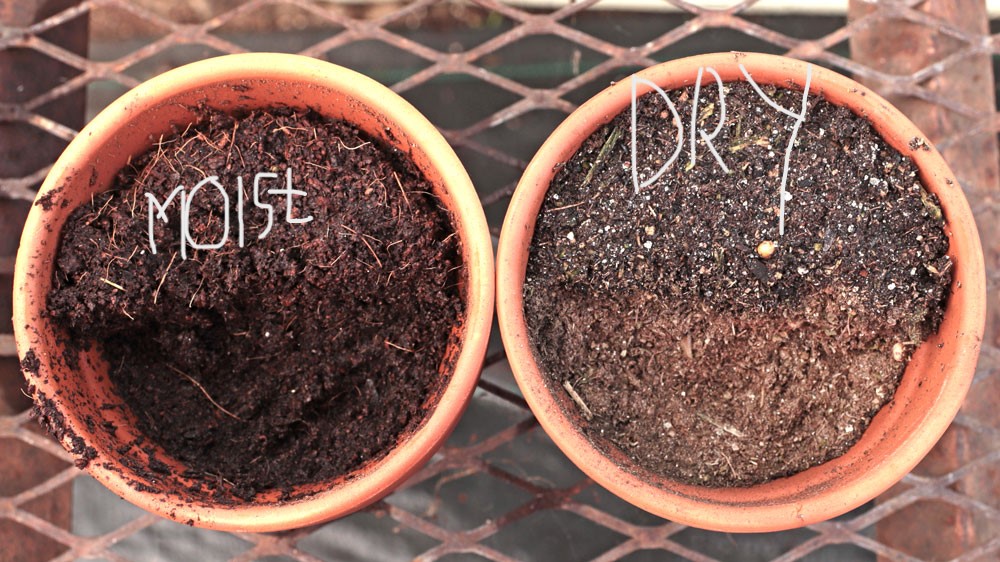
By learning to wait until that top inch or two of soil is bone dry, you’re retraining yourself to respond instead of react. And as a bonus, fungus gnat eggs don’t stand a chance.
Real numbers:
In one drought experiment (for science’s sake, early 2022), I let my calatheas dry out until the moisture meter registered under 3/10. Yes, nerve-wracking—but after two weeks? Gnat population dropped by 90%. The visual proof alone broke my habit of routine-heavy watering for good.
Fungus Gnats—Not a Judgement on Your Skills
Let’s be honest: almost everyone feels slightly exposed when they spot pests indoors. But here’s what people hardly ever mention—top-tier houseplant collectors grapple with these bugs constantly; the difference is they’ve stopped seeing them as proof of failure.
They know it’s just feedback from their environment.
My personal mantra now is: “If there are fungus gnats here, something’s off with my habits, not me.” The stress fizzles away when you frame it this way.
Tools That Actually Work—And Why
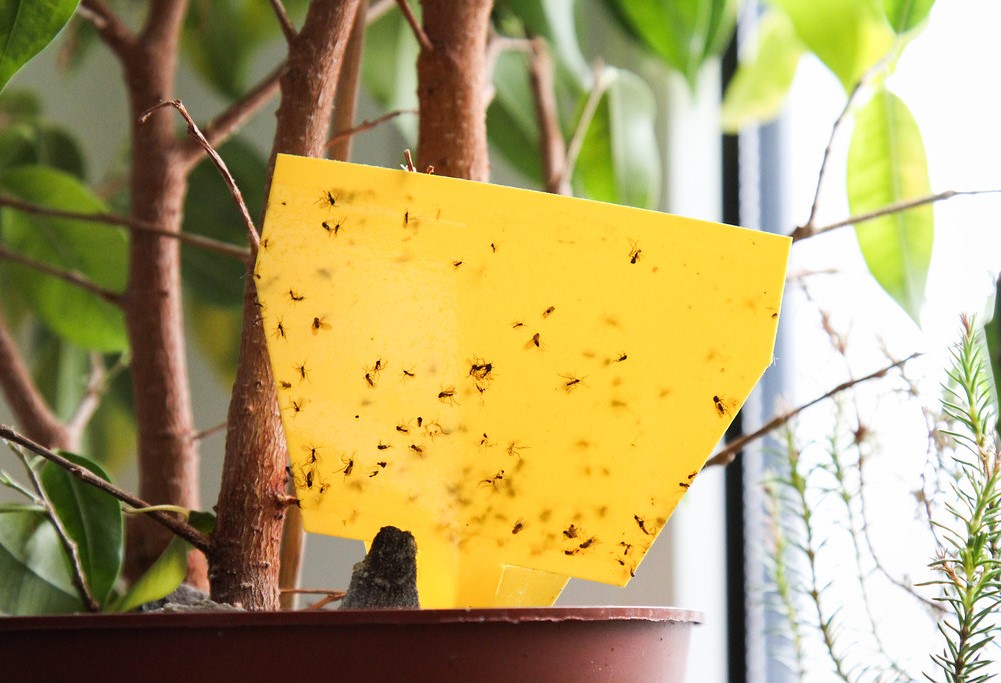
- Yellow sticky traps: Cheap therapy for the anxious mind. There’s satisfaction—almost childish delight—in seeing those dots pile up day by day. But psychologically? Traps give visible proof that action equals progress.
- Surface grit (sand or gravel): An extra barrier demystifies pest management (“Look! I changed something and now they can’t lay eggs!”).
- Removing dead leaves: This serves double-duty—less food for larvae and a subtle self-cue (a cleaner pot surface = an easier check-in habit).
Here’s What Most People Don’t Know
Store-bought soil is often pre-loaded with gnat eggs or larvae if bags sit too long at temp swings—I learned this after buying bulk potting mix from a discount warehouse in 2019. Within three days—instant gnat explosion across five windowsills!
Swapping out only the top two inches of suspect soil fixed it far faster than any pesticide could have.
And about hydrogen peroxide soaks? Most sites make it sound scary, but truthfully, diluted H₂O₂ taps into basic biology—it rapidly oxygenates soggy hotspots where larvae drown. I use one rough capful per cup water on stubborn infestations—results come fast with minimal plant stress.
Failed First Attempts
Confession time: Early on, I tried blindsiding everything with neem oil spray and sealed plastic bagging over pots. Result? Messy leaves, sulking ferns…and gnats still pirouetting around lampshades.
It was only when I made peace with slower drying-out that results stuck—and so did my sanity.
How Tackling Gnats Changes You
Once you break one pest cycle through observation-led care—not kneejerk responses—you start trusting yourself more deeply as a grower. That psychological shift sticks long after the flies are gone.
These days when friends text panicked gnat pics (“Is my plant doomed??”), I text back: “Nah—just ease up on the water and enjoy counting fewer bugs each day.”
Practical Next Steps—with Zero Guesswork
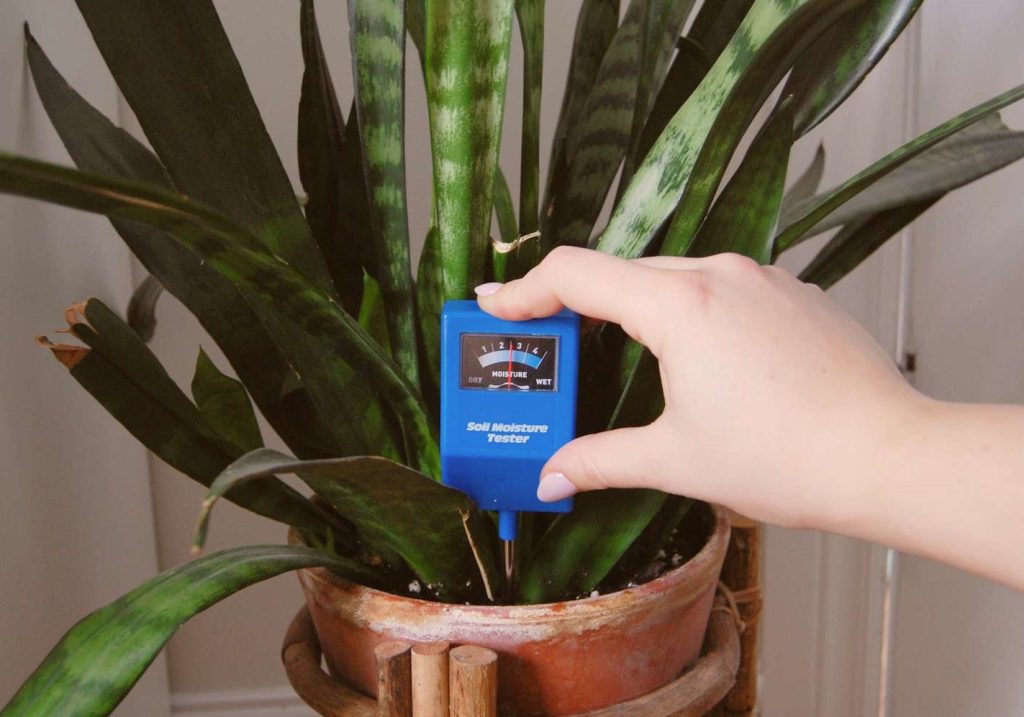
- Make touch-checking part of your morning coffee routine: Feels weird at first; becomes second nature.
- Vacuum off dead leaves ASAP: Out-of-sight means out-of-mind—for both larvae and anxiety.
- Invest $5 in sticky traps: Not high-tech…but nothing beats the visible payoff.
- Mark a calendar: Log bug counts twice per week—you’ll surprise yourself how quickly things improve.
- Give yourself permission to repot if things drag on: Sometimes fresh soil really is cheaper than endless frustration.
Here’s what matters most: embracing flexible attention beats rigid scheduling every time—not just for pest control but for every aspect of houseplant success and sanity.
And in the end? Half the battle isn’t killing bugs; it’s rewiring that inner voice from “I’m messing this up” to “I’m getting better every season.” That mindset upgrade will do more for your green thumb than any bottle ever could.
Hang tight—you’ve got all this handled, because smart adjustment always wins over panic spraying every time!