Anyone can rattle off the usual winter plant care advice—water less, find more light, keep away from drafts. But in my years of rescuing half-dead ferns and coaxing Amaryllis bulbs back to life (after spectacular failures), I’ve learned that the conventional tips often miss what actually keeps plants happy in the dead of winter. Sometimes, doing less is exactly what your leafy companions need—but it’s not as simple as just “ignoring them more.”
Let me share a few lessons I learned the hard way—and why you should question some standard winter wisdom if you want to see real results.
Why Most Winter Plant Advice Misses the Mark
The classic “water less, light more” mantra assumes all plants and homes are created equal. They aren’t. What folks rarely mention is how wildly different plants react depending on your heating system, window placement—even the age of your house.
Back when I lived in a drafty 1910s apartment with radiator heat, my Sansevieria thrived while my Spathiphyllum looked perpetually hungover; it wasn’t about watering or light—it was about temperature swings and bone-dry air.
Here’s What Most People Don’t Know:
- Routine is your enemy in winter: Plants don’t sync up with your calendar—they respond to environment. The same Epipremnum aureum that drank heartily every week in July might go three weeks without a sip in February in the same room.
- Your biggest risk isn’t cold—it’s stagnation: Overly snug care (closed windows, zero airflow) breeds mold faster than a chilly breeze.
- Most “winter deaths” are from kindness gone wrong, especially overwatering and overfeeding.
What Actually Works (From My Experience)
1. Forget Fixed Schedules—Play Detective Instead
A common mistake I see? Sticking rigidly to a watering schedule out of habit or guilt. Years ago, I nearly drowned half my collection by following generic advice—“just water once every two weeks!” That didn’t account for cloudy weeks or an unexpected warm spell from my malfunctioning heater.
What worked for me:
Set an alarm—for reminders not waterings. Every Saturday morning, I’d walk around checking each pot individually: poke the soil, look at leaf color, even weigh pots in my hands (dry soil is noticeably lighter). If it passed the dry-and-droopy test (my code for “needs water”), only then did it get a drink. My plants perked up within a month after ditching auto-pilot watering.
Contrarian tip: Stop worrying so much about under-watering. In winter, most houseplants can handle drought far better than wet feet.
2. Light Isn’t Everything—But Cleanliness Is Underrated
Everyone parrots “move closer to the window.” Sure—but don’t expect miracles if leaves are caked in dust or film from forced-air heat.
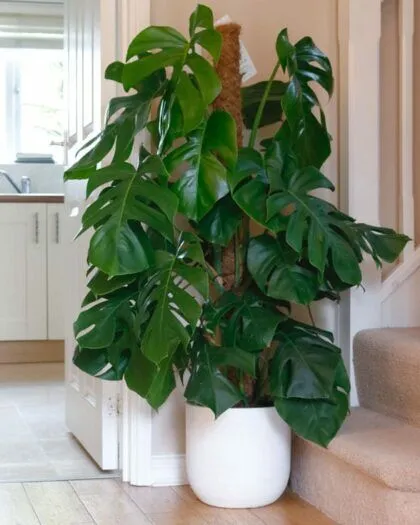
Back in 2019, after having guests comment on how sad my Monstera deliciosa looked (thanks!), I tried something unconventional: instead of buying yet another expensive grow light, I started wiping leaves weekly with a microfiber cloth dunked lightly in lukewarm water—with just a drop of dish soap per quart (helps cut grease from city air). Within weeks? New growth popped up everywhere—and this was during one of Chicago’s greyest Januaries on record.
Unexpected twist: Sometimes one thorough cleaning does more than any new lamp ever could—especially if your windows face east or west where light strength drops quickly through dirty glass or dusty foliage.
3. Drafts Can Be Friends (Within Reason)
Here’s where advice gets backwards: we’re told to protect plants from any hint of chill. But sugarcoating things too much creates stagnant corners with trapped humidity—a playground for fungus gnats and mildew.
During several winters when my old apartment’s radiators came on full blast at night but left mornings icy cold, it wasn’t the pothos by the leaky window that struggled—it was those in hermetically sealed bathrooms!
My approach: Crack windows open for just five minutes once or twice a day—even when it’s freezing outside—to circulate fresh air without shocking roots directly next to open panes. It makes an enormous difference for ferns and orchids prone to rot; they hate stale air almost as much as they hate cold drafts.
4. Mulch Indoors? Yes, Really
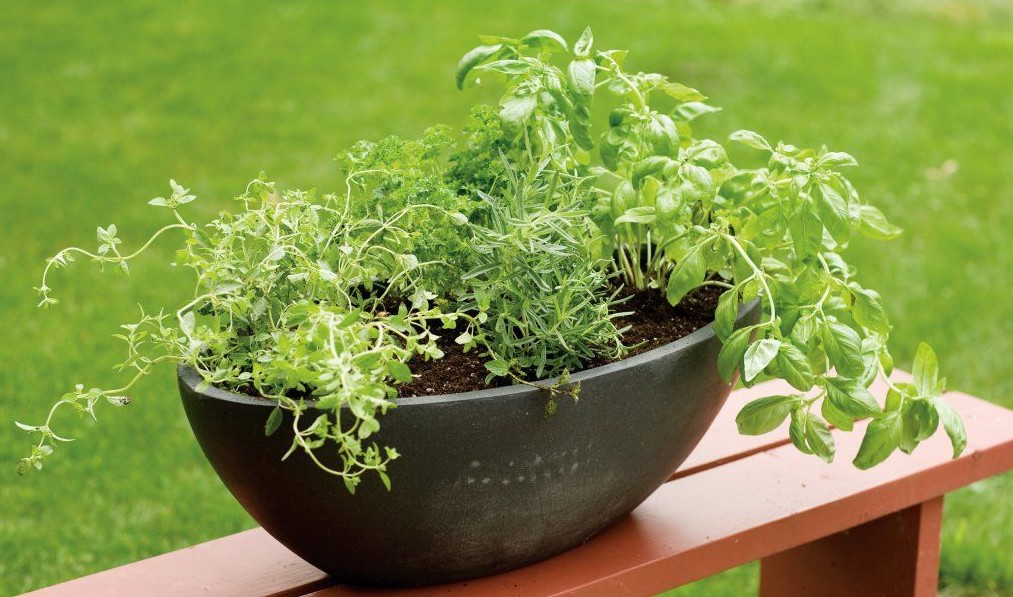
People think mulch is only for outdoor beds—I used to believe this too until I lost two large containers of Rosmarinus officinalis overwintering indoors because their roots dried out between erratic heat cycles.
Now I top-dress indoor pots with two inches of fine bark chips or even shredded cardboard during November–March—just like outdoor gardens get their protective blanket. It stabilizes temperature at root level and slows evaporation without turning things soggy underneath.
If you’re skeptical, try this: Compare two identical potted herbs side-by-side through January; mulch one and leave the other bare—you’ll be surprised which one stays happier and leafier come spring.
5. Hold Off On Humidifiers Unless Really Necessary
I know this goes against every Pinterest listicle out there! But honestly? Most tropical plants tolerate dry air better than folks claim—as long as you avoid direct blasts from vents and group them together on shelves or tables.
Before shelling out $50+ on another humidifier that’ll need weekly cleaning (ask me how many have died under my care…), just cluster your pots into “plant gangs” near kitchens or bathrooms where ambient moisture naturally runs higher. The American Society for Horticultural Science has published studies on how grouping plants can create a beneficial microclimate.
From my experience: My Calatheas survived several harsh New England winters perched above our always-steaming kettle instead of parked next to an expensive but underpowered room humidifier.
Real-Life Scenarios That Changed My Mind
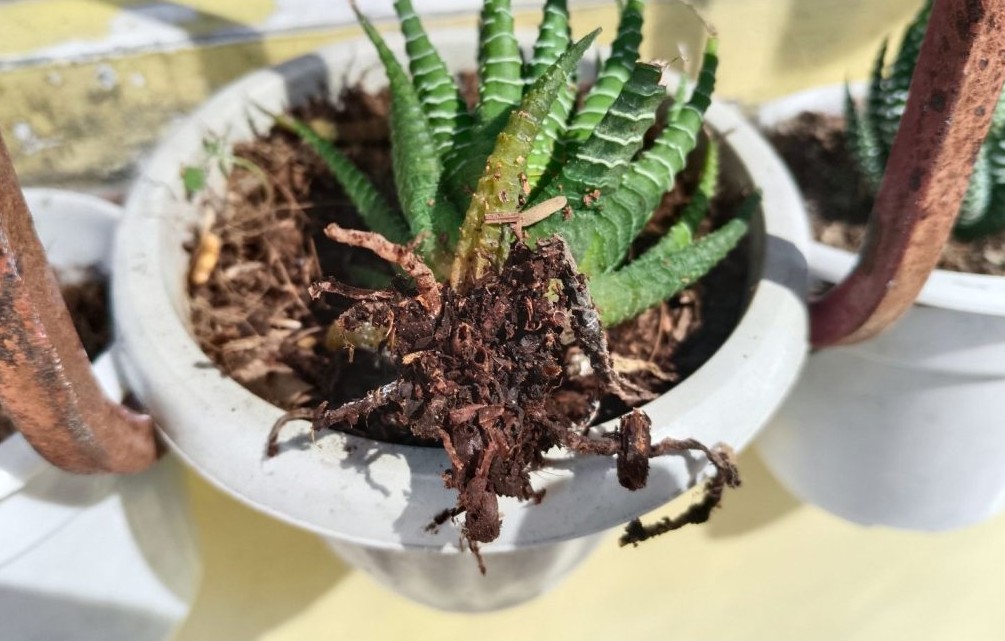
- The Great Watering Fail: In late December 2021—peak “keep everything moist!” season—I gave all six succulents an extra drink “just because.” By February three had root rot starting; only saved by unpotting them entirely onto newspaper overnight before repotting dry.
- Aloe vs Radiator Shelf: Like so many online guides, I roasted an Aloe vera on top of our living room heater (“it’ll be cozy!”). Brown spots appeared within days—not sunburn but heat stress. Lesson learned: warm spots ≠ safe spots.
- Sarah’s Pothos Rescued by Laziness: A friend left her pothos unwatered while on vacation mid-January; returned to find it actually healthier than before she’d left—the forced neglect let roots breathe again after months spent wet.
Troubleshooting Through Experimentation
When something looks off—a sudden leaf drop or mysterious brown tips—I don’t reach for fertilizer first anymore (another myth worth busting!). Nine times out of ten it’s:
- Stale air
- Too-wet roots
- Temperature extremes from heaters flipping on/off at night
What worked for me:
Log issues as they crop up (“yellow leaf—too damp?”) then change ONE thing at a time rather than panicking with four fixes at once—which only muddies results further down the line!
If You Only Remember One Thing…
Don’t obsess over perfection or rules written by experts who’ve never seen your living room! Instead:
- Trust your fingers over charts;
- Airflow matters more than coddling;
- Let mistakes happen—they teach you way faster than endless Googling ever will;
- Less fuss means stronger plants by springtime!
Remember: Every thriving plant parent has killed something learning these lessons—including me! What counts isn’t never messing up—it’s getting curious enough to figure out why things went wrong and trying something different next time.
You’re not babysitting houseplants—you’re collaborating with them through whatever winter throws your way…and that’s how true green thumbs are made.