Let’s be honest—most “seasonal plant care” lists are about as useful as a snow shovel in July if you don’t know what your plants actually want. I spent years following internet calendars, watering every Thursday “because it’s spring,” and ended up with more limp leaves than happy ones. If you’ve ever sighed at your droopy fern in April while every blog swears it should be thriving—trust me, you’re not alone.
Here’s what I wish someone had told me: plants respond to what’s happening right now in your space, not to the month printed on your calendar. So let’s skip the guilt and get practical, imperfect, and real about seasonal plant care.
The Truth: Your Apartment Has Its Own Seasons
Think about it—does your living room turn into a rainforest every summer thanks to that one leaky AC unit? Does the back bedroom become the Sahara when heat kicks on in January? Your plants feel those shifts way more than what day it says on Google Calendar.
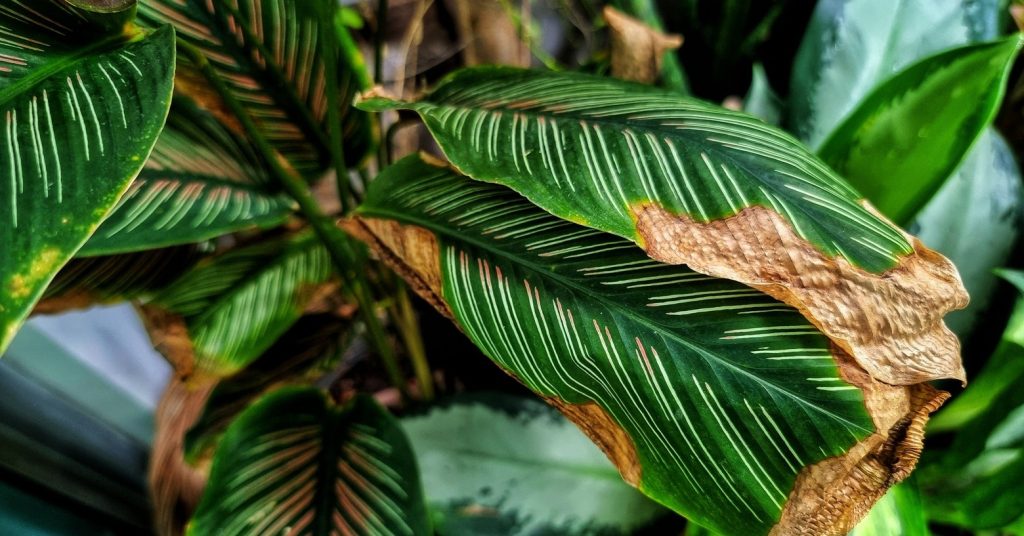
A quick story: last February, my calathea crisped up overnight because I forgot its pot was sitting above a radiator vent. I’d followed all the “winter dormancy!” advice online, but the real villain was hot air, not cold weather.
If nothing else sticks from this article, take this: Plants will always tell you how they feel—it just takes paying attention to small changes week by week.
How I Handle Plant Care When the Seasons Change
1. Spring – Wake Up Call (But Let Them Sleep In!)
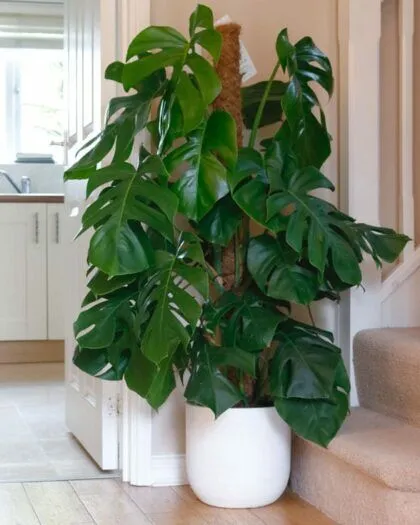
Everyone says “fertilize and water more!” when spring rolls around. But here’s the thing: some of my plants don’t even blink until May. My Monstera? Sleeps through April like a hungover college student after finals week.
What I actually do:
- Look for new baby leaves or tiny root nubs at soil level.
- Only start fertilizing once I see active growth—like an unfurling leaf tip. Before that? No food.
- Water when the top 2 inches of soil are dry (yes, stick your finger in there). Still moist? Wait.
- Don’t panic if half your plants act lazy—everybody wakes up at their own pace.
Quick example:
Last March, my pothos had zero new growth while my spider plant was off to the races. Guess which one got fed early? Only the spider! The pothos got left alone until May—and bounced back fine.
2. Summer – All Bets Are Off
Summer is wild card time. Sometimes my ferns go nuts with new fronds…but my ZZ plant basically shrugs no matter how sunny it gets.
My actual process:
- Check each pot individually—humidity and AC can keep some soil damp all week.
- Water only when dry down to your second knuckle—don’t just set a reminder.
- Watch for crispy edges or droopy leaves—thirsty or cooking near a window.
Pro tip:
Group plants on a pebble tray (like this DIY guide) for humidity. My ferns love this makeshift spa day.
3. Fall – Not Every Plant Rests
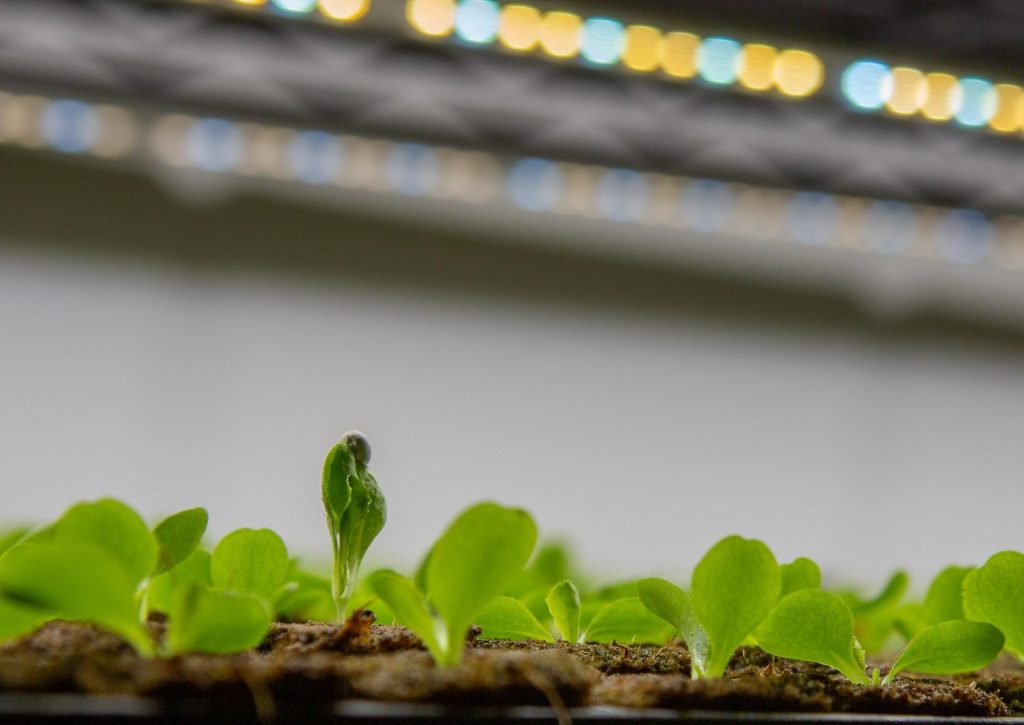
“Plant dormancy” in fall? My basil under LED lights keeps pumping leaves into November (until I forget to move it from a drafty windowsill).
In practice:
- Grow lights = skipped dormancy.
- Watch for faded colors or floppy leaves as your signal to slow watering—not the date.
- If your plant is perky, don’t pull back too soon!
Mini confession:
I once cut back water just because it was October… and lost half my African violets. Now I check leaves first—wilting = thirsty; firm = hold off.
4. Winter – Survival Mode (With Plot Twists)
Cold drafts vs. radiator saunas? Chaos!
How I avoid disaster:
- Don’t water on autopilot! Set reminders to check dryness weekly.
- Poke soil 2 inches down—dry/crumbly = water; cool/moist = wait.
- Cluster sensitive plants for shared humidity (pebble tray again).
- Tape sticky notes under pots that hate drafts (e.g., “Keep away from vent!”).
True story:
I killed four spider plants in January by overwatering—turns out roots snooze while we panic!
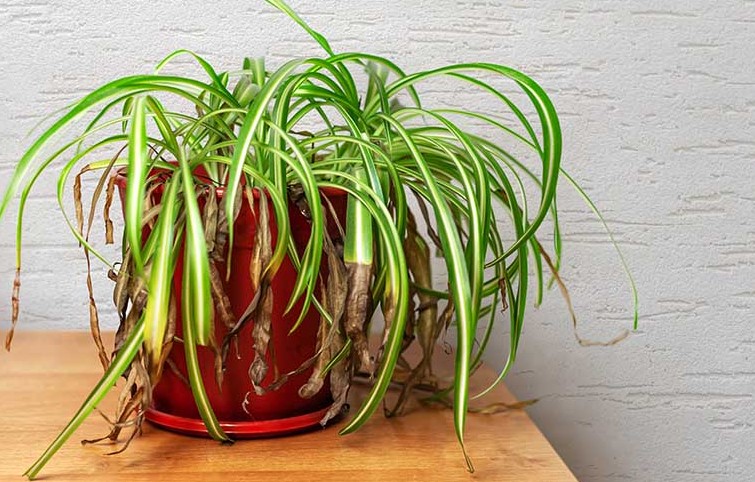
Typical Plant SOS Signals
“Listen to your plants”—but what does that mean?
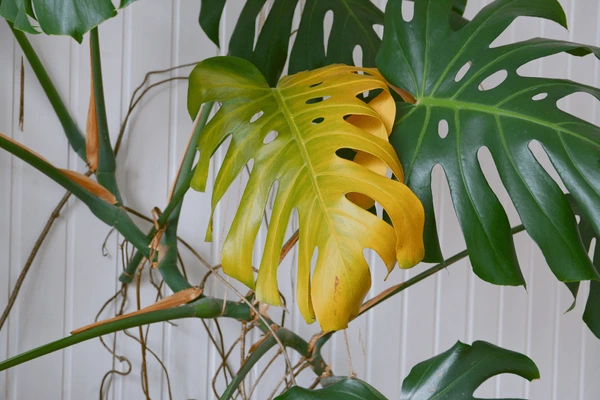
- Yellow leaves: Overwatering or soggy roots.
- Brown crispy edges: Low humidity or heat blast.
- Droopy leaves: Thirsty or root rot if soil’s soggy.
- Sudden leaf drop: Temperature shock (drafty spot?).
Spend 5 minutes weekly scanning for these—catches problems before they snowball.
Five-Minute Seasonal Checklist (No Shame Required)
- Poke soil 2 inches deep—dry = water; moist = wait.
- Scan for fresh growth tips before fertilizing.
- Group thirsty plants for humidity (pebble tray MVP).
- Shuffle pots away from vents/drafts.
- Jot notes (“fern crisped after vent blast”)—actual events beat generic advice.
Messed up? Welcome to plant parenthood! My peace lily wilted behind the TV for 3 weeks… then bounced back.
Final Thoughts: Trust Yourself More Than Internet Rules
Houseplants forgive experiments if you pay attention early.
Don’t stress perfect timing:
- Soil dry? Water—even if it’s not “water day.”
- New leaves in November? Celebrate!
Got questions? Ask below—I’ve probably made that mistake already.
Relax, experiment, and enjoy your weird little ecosystem. You’ve got this!