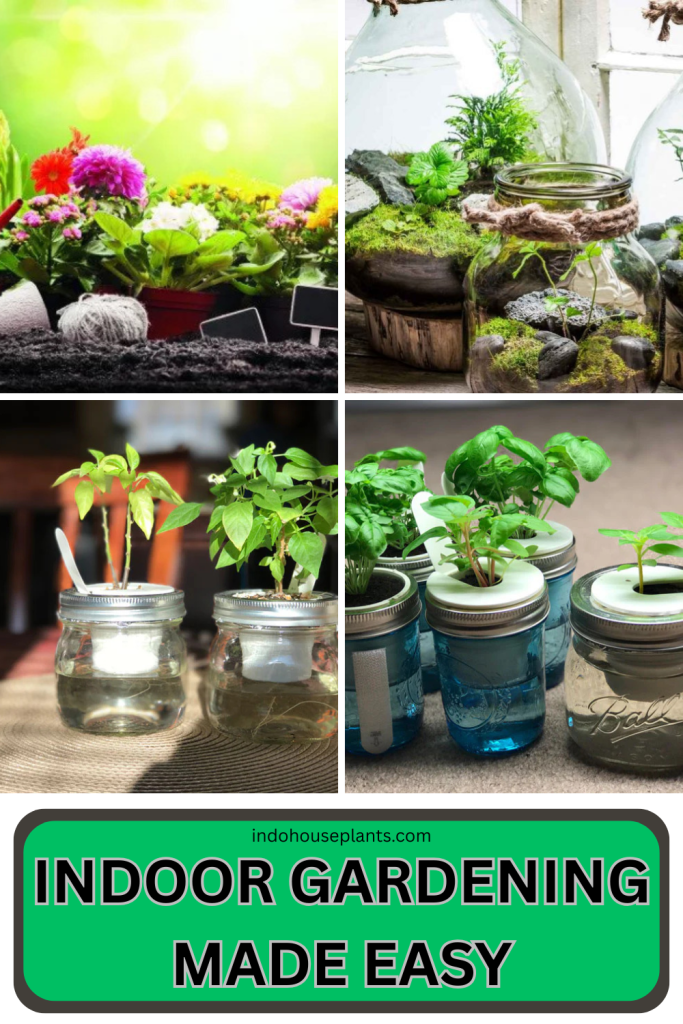
Walking into the world of indoor gardening, it’s way too easy to trip over all the fancy jargon and gear that “experts” insist you need. I remember my first attempt—probably 15 years ago—when I thought a proper indoor garden meant splurging on specialty pots, humidity domes, and soil mixes with ingredients I couldn’t pronounce. Spoiler: half my plants died anyway.
Turns out, most experts are overcomplicating things.
Here’s What Most People Don’t Know:
The best indoor gardens I’ve ever seen were cobbled together from kitchen leftovers and what was lying around the house. Who cares about matching terracotta pots when the goal is nurturing something green (and snackable) on your own windowsill?
Keep It Simple: The Real Supplies You Already Own
Forget those product lists telling you to buy pH meters or automatic grow lights. You probably have better resources right in your recycling bin and kitchen drawer.
From my experience, one of the most quietly empowering realizations is this: your garden doesn’t care about aesthetics—just give them light, a sip of water, some dirt, and patience.
A Common Mistake I See: New gardeners blow their budget on starter kits with 10+ seed types—and then get overwhelmed when none of them thrive in half-lit apartments. Pick + master one or two plants—that’s enough at first.
1. Start With Plants Your Fridge Can Provide
Let’s be real—I’ve started more successful herbs from takeout leftovers than from any seed packet. Herbs like basil and mint are survivors; keep a healthy stem (4 inches does fine), drop it in an old glass jar by the window, and roots will appear like magic after a week.
I still remember rooting green onion butts in an ex-peanut butter jar perched on my radiator—watching green shoots climb skyward was more rewarding than anything store-bought.
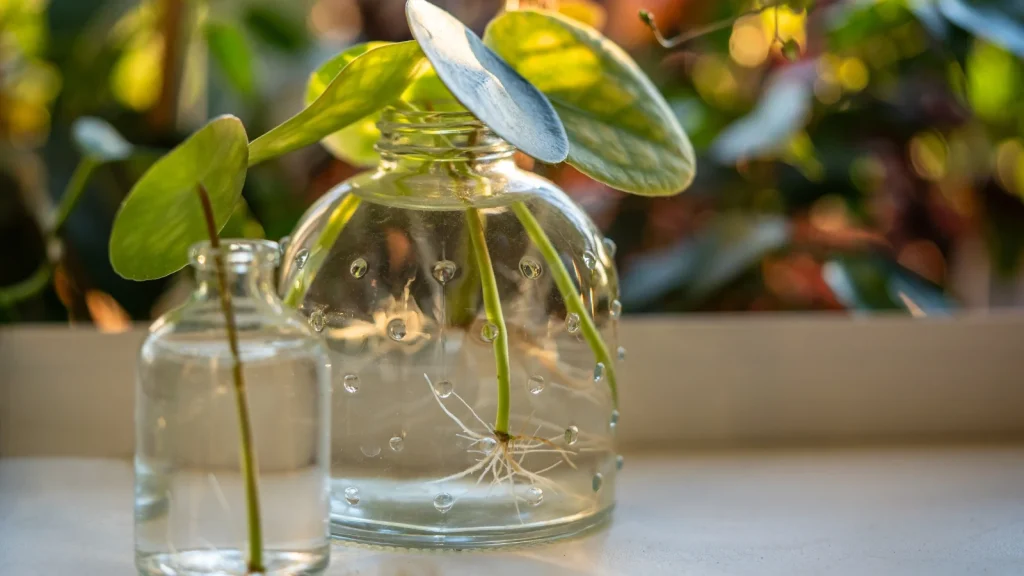
What Worked for Me:
- Regrowing celery bases in water (change every other day)
- Planting potato eyes right into dirt scraped from outside
- Chopping off lettuce hearts and placing them root-down in jam jars—leaves re-sprouted within days!
2. Containers: Don’t Buy Them Until You Genuinely Need To
Here’s a trick almost nobody utilizes: head over to your neighborhood café or bakery—not just supermarkets—and ask if they’ll give away empty bulk plastic containers or buckets. Bakeries toss tons daily.
A friend once used single-use coffee cups stacked along her office window—the mix-and-match look wasn’t pretty but every cup sprouted new basil and sage shoots within weeks.
If you want charm without spending money? That chipped mug collecting dust at the back of your cupboard—it’s perfect after you knock a hole in the bottom with a screwdriver (just do it gently). And let’s not forget plastic strawberry clamshells—they come pre-drained!
3. Soil Without Shelling Out
People often panic when they see bags of potting soil for $12+. My go-to move is to post in local “Buy Nothing” or Freecycle groups (“Any extra potting soil floating around?”). Nine times out of ten someone has half-a-bag leftover from last spring—a little goes a long way!
And if you really must buy dirt? Just grab the smallest bag possible—the six-quart bag lasted me through an entire summer window garden setup for under eight bucks.
Been there, done that tip: Mix spent coffee grounds into your soil; herbs especially love this bit of nitrogen boost (plus it makes your mini-garden smell faintly like a café after watering).
4. Lighting: Max Out What Nature Gives You
Forget those dystopian purple LED panels unless you’re growing cacti during an arctic winter! South-facing windows will give most leafy greens and herbs more than enough sunlight—even city apartments have pockets of golden light if you check throughout the day.
Here’s how not to make my early mistake: place your plants somewhere visible so you actually pay attention to them—I used to stuff mine behind curtains (“to help humidity!”) and forgot about them until leaves went limp.
My mom used to shuffle our herb pots twice a day across our drafty kitchen shelf chasing sunlight; that daily “sun dance” doubled as quality family time…and really did help with bushier growth!
Don’t have direct sun? Lettuce, spinach, and green onions still manage just fine under shadier conditions—it’ll just take longer for leaves to size up.
5. Watering Wisdom Comes Down to Touch
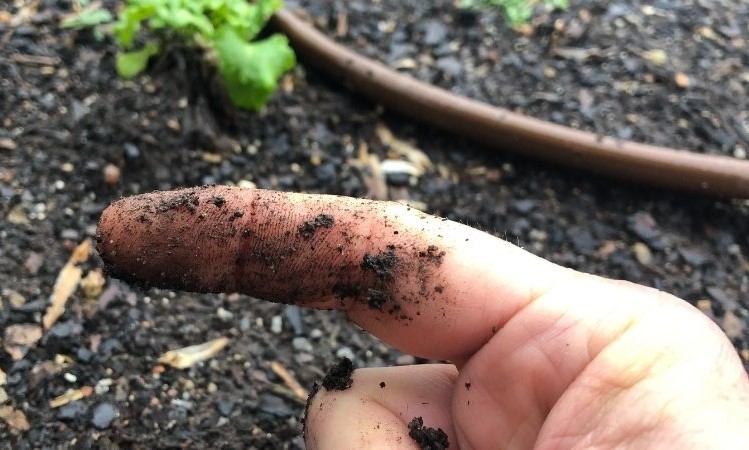
As much as people fuss over moisture meters (yes, guilty as charged), nothing beats sticking your finger directly into the dirt up to the knuckle: dry? Water! Still damp? Wait another day or two.
Funny confession—the only “watering can” I owned for years was an empty tomato passata bottle with three holes hammered roughly through its cap! Still works better than anything I’ve bought since because it limits how much gushes out at once.
Overly enthusiastic watering is where most folks mess up—especially beginners itching to “do more.” Ease up; drier soil now and then keeps roots healthier than constant sogginess does.
Cheap Tricks That Experts Rarely Mention
- Sprinkle cinnamon powder atop soil if tiny flies appear; works wonders for warding off fungus gnats.
- Use cooled cooking water (from boiling eggs/veggies) on next plant watering—all those nutrients go straight back into growth.
- Eggshells rinsed, crushed finely, blended into dirt keep calcium-loving plants happy.
- If you accidentally fry seedlings by forgetting them behind closed blinds—don’t sweat it! Compost failures guilt-free; we ALL lose our fair share along this journey (nobody brags about their early casualties online).
The Secret Sauce? Consistency Over Perfection
The real difference-maker isn’t hidden in high-tech tools or complicated seed choices—it’s whether you notice which spots get morning sun…if you smile at fresh sprouts during breakfast…or nudge pots further apart when leaves crowd each other out.
Every thriving windowsill jungle began as someone rooting odds-and-ends scavenged from last night’s dinner prep—or rescuing straggly supermarket herbs headed downhill fast. You learn by watching one basil stem bounce back after wilting…by swapping suggestions with neighbors (“Try moving mint here—it always flops by midday otherwise”)…and forgiving yourself for every failed batch along the way.
One last personal note: If cost ever worries you out of starting—remember that no amount spent guarantees success. But curiosity plus resourcefulness brings joy every single time something new leafs out under your care—with pocket change spared for an extra treat at the bakery instead.
You don’t need expert credentials—a few strong windowsills and whatever containers survive snack time will do nicely enough! Happy growing—all thriftiness encouraged AND celebrated here.