Let’s skip the fluff: Most advice about indoor plants makes it all sound so easy—pick a plant, water it occasionally, put it near a window, and voilà, you’re a “plant parent.” The reality is, if you blindly follow generic tips, you’ll end up with yellow leaves, fungus gnats, and the familiar guilt of tossing yet another crispy brown stick into the compost. I know because I have. More than once.
Here’s what most people don’t realize: the real trick to indoor plants isn’t just picking “easy” species or plopping them down wherever there’s light. It’s about choosing plants that fit your actual habits—not some idealized routine you saw on Instagram.
Why Most “Easy-Care” Rules Backfire
The internet loves pothos and snake plants. Truth? These tough-nut plants will survive almost anywhere… but not always “thrive.” If you want lush growth like those #houseplantsofinstagram feeds, forget what you’ve read about lighting and watering—here’s my battle-tested approach:
1. Embrace Your Environment Instead of Fighting It
Back in 2019, I kept shuffling my snake plant around for “perfect light.” Growth stalled no matter where it was. Only when I left it alone on top of a cold radiator (yes—against all advice) did it finally throw up new shoots. Turns out, some varieties don’t mind a drafty windowsill or being forgotten for two months.
So: Don’t stress over making your place match the plant’s supposed needs. Instead, pick plants that already thrive in conditions similar to yours—low light? Go with ZZ or aspidistra and accept slow growth as normal.
2. Want Real Results? Underwater Intentionally
Most houseplant casualties come from too much TLC—a.k.a., overwatering by nervous beginners. Here’s what works better: deliberately underwater for two weeks after you bring any new plant home. Let it settle in while its soil dries almost bone-dry; then give a deep soak until water drains out.
Rinse & repeat every few weeks (not days) unless your space is tropical-level humid.
“Touch-the-soil-before-watering” is great advice—if you remember to check! What works better for me is setting a recurring phone reminder every other Wednesday called “Plant Check: Maybe Water?” That simple system keeps me from fussing daily or forgetting completely.
3. Forget Expensive Planters—Go Cheap & Ugly First
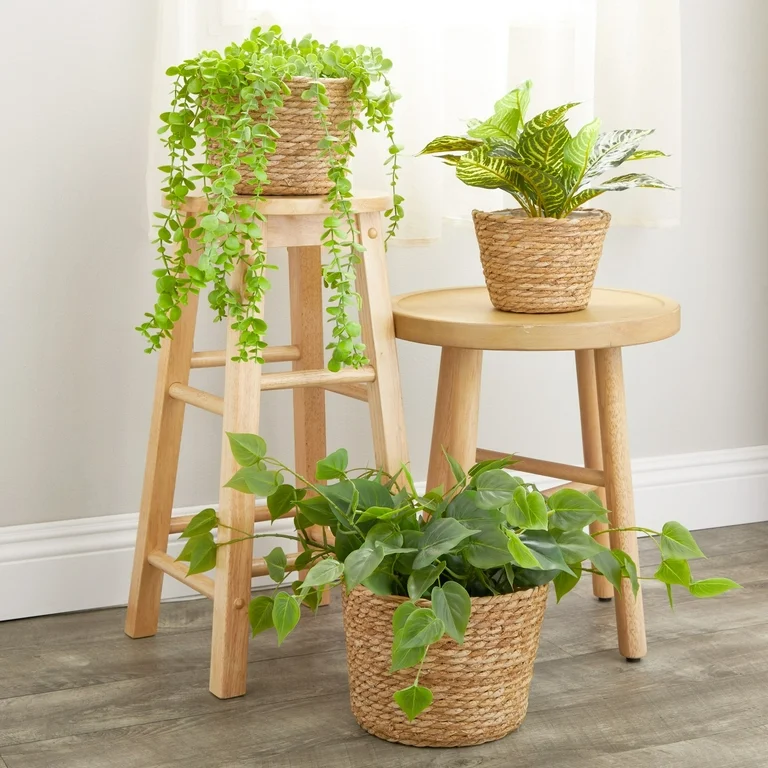
Fancy Instagram pots are nice… until roots rot because they don’t have drainage holes (never trust pretty cachepots without checking). Get ugly $1 plastic nursery pots with holes first; hide them in baskets later if looks bug you.
My best results always happen with cheap containers + smart placement before worrying about aesthetics.
Unconventional Starters That Don’t Get Enough Love
Everyone pushes pothos and snake plant, but honestly? Aspidistra (“cast iron plant”) is even tougher—it survived my entire gap year in an unheated apartment with maybe three waterings total (I wish that was an exaggeration).
Another overlooked hero: spider plant. Give it any amount of daylight and neglect and it’ll surprise you—I once rescued one from a friend who only watered when she refilled her fish tank (not recommended), and within months it was sprouting pups everywhere.
Want something unique? Try peace lily—but only if you’re okay letting soil dry nearly out between deep soakings (constant dampness = certain death).
Real Talk: What Actually Goes Wrong
If your leaves turn yellow or brown at the tips and everyone tells you to just “mist more often”—stop right there. In most climate-controlled homes, misting does zip for humidity (tested this myself with a digital hygrometer—it jumped maybe 1% briefly after misting).
What really works?
- Brown tips: Ignore unless half the leaf goes brown—you can snip off ugly parts.
- Yellow leaves: Remove ’em quickly; usually root rot or adjusting to new spot.
- Droopy everything: Move away from heat sources (radiators/vents), not closer to light.
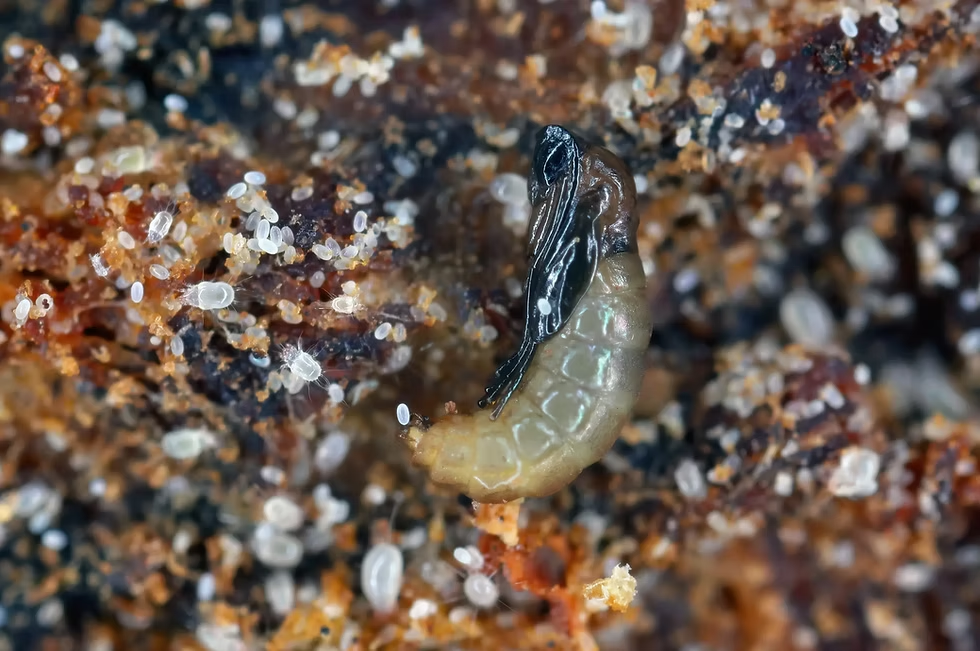
- Fungus gnats: Skip cinnamon powder nonsense; cover soil with aquarium gravel (cheap at pet stores)—keeps gnats from laying eggs in wet earth.
Building Confidence? Embrace Failure
Here’s my philosophy after years of trial-and-error: Plan on losing your first one or two plants—it means you’re learning how your space treats living things differently than any blog post describes.
Sarah across town waters her ZZ once a month and gets rapid growth; when I tried that here in dry winter air, mine shriveled up faster than week-old celery sticks in the fridge crisper drawer.
Plants aren’t fragile decor—they’re little science experiments living alongside us. Let yourself mess up (I still do), take notes on what bombs spectacularly vs what thrives on benign neglect.
Practical Steps That Work For Busy People
- Pick Your Plant Based On Neglect Level You Can Provide: Know you’ll forget? Go full aspidistra/spider/ZZ.
- Light Test: Use your phone camera—the spot for your plant should be bright enough at midday without flash but not beam direct sunlight onto paper for more than an hour.
- Pot On Arrival: Even hardy plants drown in soggy store soil; repot into dry indoor mix immediately if roots look compacted.
- Set A Water Day Reminder: Not guesswork—calendar alerts save more green life than green thumbs ever will.
- Join One Plant Community Chat: Reddit’s r/houseplants taught me more hard truths (“Help! My dracaena melted overnight!”) than any glossy website ever did—and fast responses mean fewer panics when leaves droop unexpectedly.
So here’s what matters most: Forget perfection—and ignore anyone who claims there’s “one right way” to keep indoor plants alive indoors. It boils down to understanding your own habits and how lazy/busy/forgetful you actually are…and picking greenery accordingly.
Your home, your quirks, your own unconventional mini-jungle waiting to happen—even if that jungle starts on top of the old radiator next to last year’s abandoned pilea skeletons (trust me…I’ve been there).
Ready? Go get something green that can take a joke—or at least survive a missed watering or two—and start ignoring half the rules everyone else swears by! That’s where the real fun begins—and where lifelong resilience grows…in both your plants and yourself.