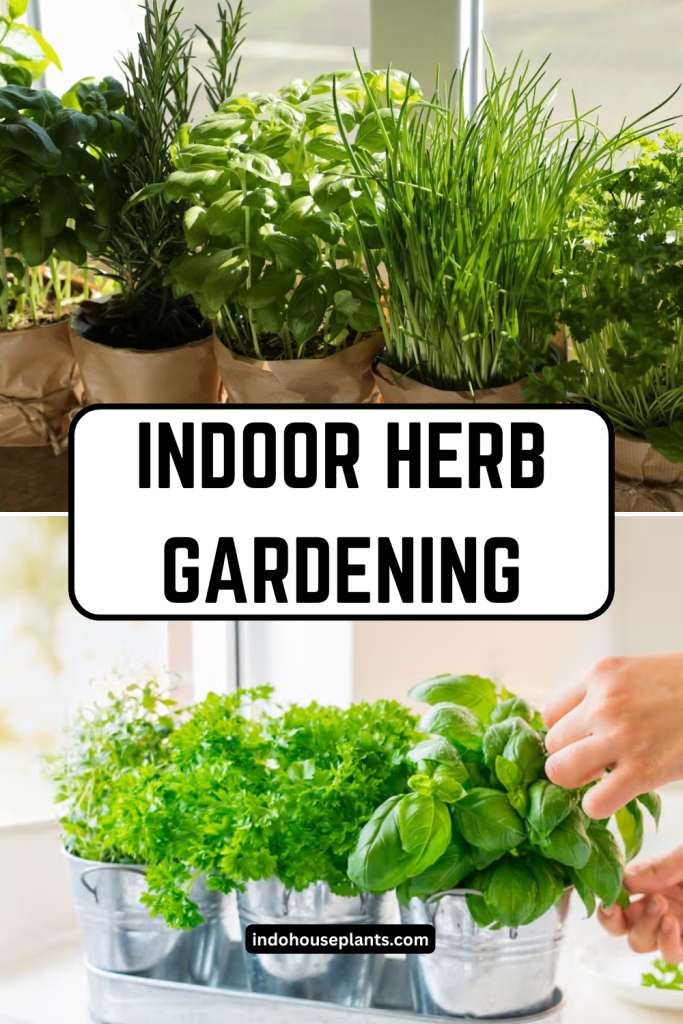
The funny thing about indoor herb gardens is how people picture them versus how they actually feel to live with. For years, I imagined a magazine-ready lineup of lush leaves right next to my blender—and let’s just say, my first attempt was more “herb ICU” than “chef’s paradise.”
But that’s where the magic happens! Growing herbs indoors is hands-on learning at its best, and if you stick with it, you’ll unlock shortcuts and tiny victories that the glossy guides never mention.
Let me share what really works—straight from my well-loved windowsill and a handful of learning moments (read: near disasters).
The Hidden Perks No One Tells You
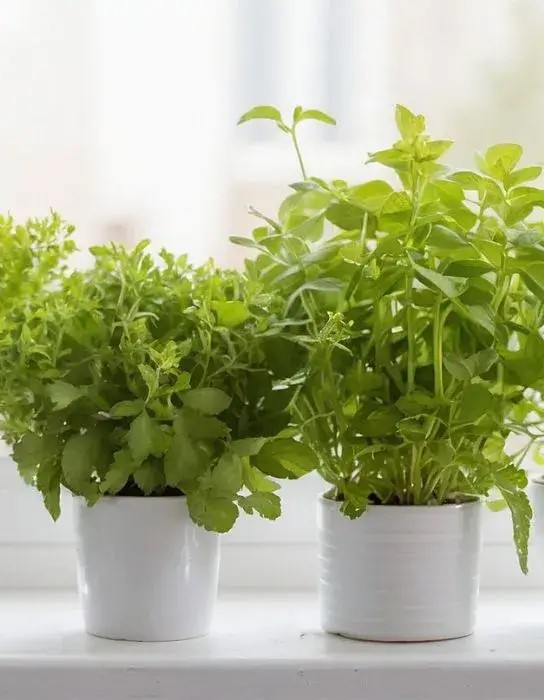
The real joy of an indoor herb garden? It’s not just fresh flavors year-round (though that’s epic)—it’s the little ritual of noticing what today’s basil looks like compared to last week. It only takes 30 seconds, but suddenly you’re part of your food story before you even start cooking.
And here’s what most people don’t know: even supposedly “difficult” herbs have one redeeming quirk or another. Cilantro bolts in summer? Let it flower and use those delicate blossoms for garnish—they taste subtly citrusy. Mint getting wild? You can root those cuttings in water on your desk and gift baby plants to friends—instant hero status!
Building Your Indoor Herb Haven – From Someone Who Killed Their First Parsley (and Lived!)
1. Pick the Herbs That Match Your Style
When I first started, I went all-in: dill, oregano, sage—oh my! Spoiler: nobody needs three kinds of thyme if you mostly cook Thai food. Save yourself space (and confusion over feathery leaves): focus on what you already love to eat.
Enthusiastic Helper Pro-Tip: If you have limited patience (like me), go for basil, chives, and mint—they bounce back from neglect and grow fast enough that you’ll see progress in a week or two. And be realistic about your kitchen habits; there’s zero shame in letting rosemary take a back seat till next winter stew season.
2. Find ‘Goldilocks’ Light – Not Too Much, Not Too Little
Here’s an insider trick I wish someone told me sooner: Not all “sunny spots” are equal! That gorgeous patch by the window might get cold drafts at night or roast your seedlings at noon.
What finally worked for me? Moving my pots three feet back from the window during summer (no scorched leaves!)—then shifting them onto an overturned cereal box in winter so they kissed the glass. And those cheap clamp-on LED grow lights? Game-changer when daylight hours shrank; $15 well spent at Home Depot has paid back in pesto tenfold.
Dialogue From My Kitchen:
Friend: “Why are your chives sitting on books?”
Me: “They’re sunbathing at just the right angle. Trust me—they tell me when I’ve got it wrong.”
3. Cheap Containers Work—But Here’s What Really Saves Plants
Don’t splurge on fancy planters unless it sparks real joy for you! My happiest herbs grew in cleaned-out tomato cans with a few extra holes punched in the bottom (don’t forget a saucer underneath). But, always double-check drainage—or risk swampy roots faster than you can say ‘overwatered’.
Personal fail moment: Once tried lining a pot with rocks instead of proper holes because Pinterest said so. Result? Mold city within two weeks—lesson learned!
The great news is any basic veggie potting mix will do—avoid garden soil unless you want gnats as roommates.
4. Water With Intention—Not On Autopilot
I love this approach: stick your finger into the dirt up to your first knuckle; only water if it feels dry down there. My grandmother swore by this method, and to this day, whenever I rush watering out of habit rather than need…that’s when disaster strikes!
Here’s another insider twist: If you tend to overwater (guilty as charged), set reminders on your phone—but also write down how often YOUR space actually needs it after a couple weeks’ observations. Personalizing this schedule beats any generic “every three days” rule out there.
5. Maintenance Rituals That Make It Stick
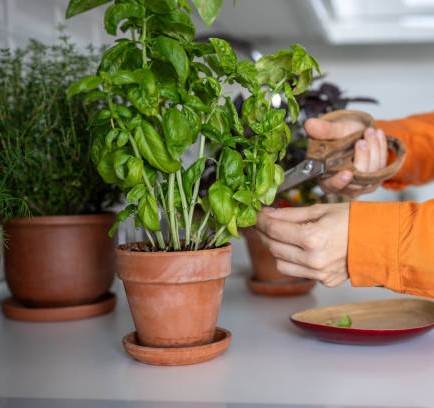
Think small-and-consistent! Rotate each pot a quarter-turn every Sunday so stems don’t lean out like they’re auditioning for Swan Lake. “Little but often” snipping (tops first!) isn’t just good for dinner—it tells basil or mint to branch out bushier next time.
Bonus habit I wish I’d known earlier: If any leaves look sad or spotty? Snip them off immediately—even if they’re edible—as this redirects plant resources to healthy growth instead of struggling limbs.
Secret Weapons & Real-Life Hacks
- Humidity Hack: If your home gets dry in winter, group pots together—their collective sweat acts as natural humidity!
- Scent Alert: If parsley smells musty instead of fresh-cut grass after watering, air circulation might need improving.
- Herb Rotation: Once per month, swap plant positions around your house; mint loves more shade than basil does after all!
Tales From Other Urban Herb Warriors
- Jenna keeps her basil thriving by watering every fourth morning—she swears pairing reminders with her coffee routine made her never forget again (“If mug is hot—so should soil be checked!”).
- Tom turned an IKEA shelf under his cheapest desk lamp into cilantro-mint headquarters—and claims better yields than he ever got outdoors thanks to consistent temps inside.
- My nieces pick their Saturday watering “winner”—whoever guesses which leaf is new gets first dibs snipping for dinner toppings. Turning care into a game has kept their plants alive longer than any chore chart ever did!
When It Goes Sideways… Don’t Panic!
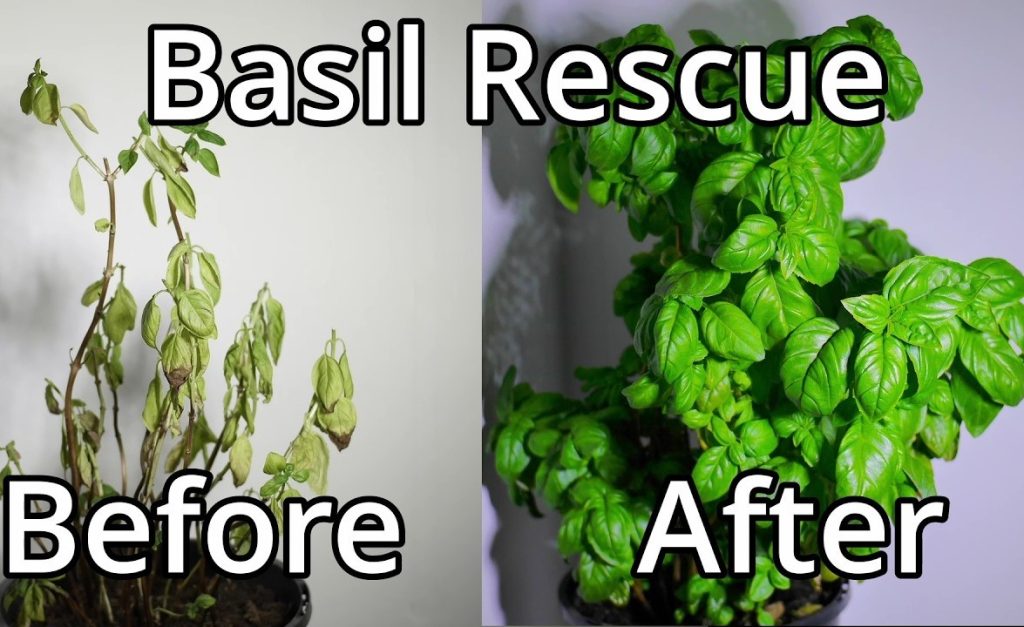
I’ve had basil crisp up overnight during heat waves and watched chives collapse because I crammed them too close together (“they looked lonely!”). Recovery tip no one shares enough: After any setback, trim away damage boldly then treat remaining plants like new arrivals—a lighting tweak or shorter watering burst makes all the difference.
- Yellow leaves mean too much water way more often than too little.
- Leggy stems usually cry out for light—not fertilizer.
- Tiny gnats?? Top-dress soil with dry sand—it smothers larvae better than sticky traps alone!
And hey—even failed crops teach lessons faster than reading twenty blog posts will…
The Exciting Part – Your Next Steps
You’ve got this—you really do! Start with two forgiving herbs like basil and mint; find their favorite light perch; poke some recycled pots full of veggie-grade mix; plant today (grocery store seedlings absolutely count); then enjoy tasting real freshness every time inspiration strikes.
Celebrate each new leaf like it deserves its own fanfare—I promise those tiny triumphs add up fast. And if something flops? Laugh it off, switch things up next round, or ask another home-grower what worked for them—we’re all rooting for each other here.
Fresh herbs at arm’s reach—no backyard required—isn’t about perfection; it’s about enjoying food your way, every single day. Keep experimenting until your kitchen smells amazing…and don’t forget to share extra sprigs with lucky friends!