Pop culture and Pinterest will try to sell you a story: that indoor vertical gardens are just quirky wall art—for wealthy folks with huge sunrooms or people with more green thumbs than free time.
Here’s the exciting part: that couldn’t be further from the truth. In fact, most of my thriving vertical gardens have bloomed in the unglamorous shadows of rental kitchens, shoebox apartments, and—as my sister likes to tease me—the world’s tiniest bathroom window ledge.
Let’s topple a few tired myths and shake up your thinking before you buy anything. Your dream green wall will probably look nothing like the magazine shots—and that’s what makes it brilliant.
1. Myth-Busting: Bigger Isn’t Better (and Perfection is Overrated)
Contrary to what almost every “expert” blog says, spaciousness isn’t your biggest asset—it’s adaptability. My finest patch of kitchen basil grows not on a fancy designer rack but in repurposed yogurt containers clipped onto a mesh fruit basket (total outlay: $4).
The lesson? Most advice assumes more space = better results, but I’ve had my lushest setups wedged between fridge magnets and spice racks.
Here’s what most people don’t know: Strict uniformity is actually a disadvantage indoors! By mixing container sizes and shapes—even tossing in mugs for shallow-rooted herbs—you create natural airflow pockets and reduce mold risk (hard-won knowledge after my first “wall of parsley pudding” incident).
Sensory note: There is something delightfully subversive about walking past a chaotic riot of colors and shapes instead of yet another shelf of identical glass jars.
2. The Propaganda About Maintenance Complexity—And The Simple Fix
The internet would have you believe an indoor vertical garden requires irrigation tubing, timer-controlled lights, and fancy nutrient solutions…all stuff that nearly made me quit before starting. Truth bomb—I failed three times before realizing my issue wasn’t neglect; it was trying to make things too complicated.
What absolutely worked? Brutal simplicity:
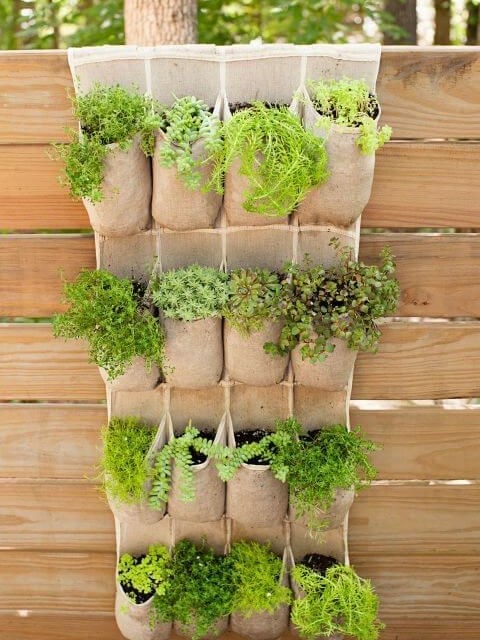
- Old shoe organizer from a thrift shop = instant multi-pocket planter.
- Clear thumbtacks + flexible twine = vertical hanging system for small terra cotta pots.
- Instead of automated watering? A $2 spray bottle for daily mists—soothing for both plants and my nerves.
Confession: My rosemary finally took off after I ditched an expensive self-watering setup—turns out it hated soggy roots. Who knew?
Hands-on, low-tech TLC often wins out over automation when you’re working indoors and crave real interaction. You’ll notice droop or dryness quicker…and yes, the bonus mental break mid-day is gold.
3. The Real World: What They Don’t Show on Instagram
Here’s where things get juicy—let’s talk about how this actually looks/feels in daily life:
A) Kitchen Corners That Give Back
I watched my friend Oscar line his entire breakfast nook using hand-drilled coffee cans wired onto his coat hooks—a jumbled symphony of mint, thyme, and outrageous nasturtiums (those neon orange flowers are edible!). Visitors called it “chaotic.” Oscar called it breakfast salsa made fresh every week.
B) Making Use Of Bad Light
Didn’t get crazy southern exposure? Me neither! Last winter I used two clip-on desk lamps ($19 each at Target) rigged above a shelf in our north-facing hallway; surprise favorite plant: tatsoi greens. They handled dim days better than lettuce or basil ever did.
C) Mix-and-Match Magic
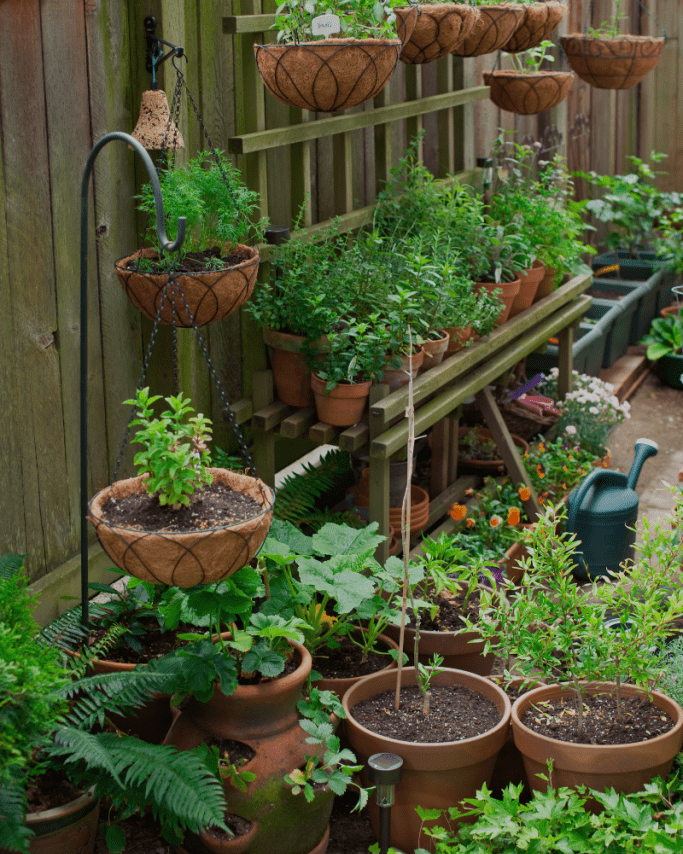
I love this approach—never settle for just one style of planter! On one wall I have salad greens overflowing from old wooden file boxes while air-purifying pothos dangles overhead in peanut butter jars suspended by macramé cords.
4. Mistakes That Made Me Better
Don’t fear wilted leaves or droopy stems—that’s proof you’re learning something new! Once I flooded my oregano (twice), tried succulents by a shower window (bad call), even jammed ferns into a pocket with no airflow (gross).
Now if leaves turn yellow? I get curious before panicking—maybe too little drainage…or maybe they hated direct sun as much as I do before coffee.
And here’s something rarely mentioned: Sheer survival can surprise you! One sad-looking spider plant once “rebirthed” itself after months of semi-neglect—a truly humbling moment.
5. Want Quick Wins? Try These Contrarian Hacks
- Don’t sterilize every planter—beneficial microbes from well-rinsed old pots add life!
- Forget symmetry—go vertical wherever there’s even six inches clearance.
- Mix slow-growers with overtakers; let wild mint trail down while compact chive mounds hold soil up top.
- Skip expensive plant food—dilute leftover cooled vegetable water instead.
- Start with two wildly different species—you’ll quickly see which thrives (my heartbreak: basil hates dry heat!).
6. Action Time—and Permission To Make It Yours
Find wherever there’s awkward space around you right now—a door frame, end of a bookshelf, side wall above shoe cubbies—and claim it with containers you already own.
Here’s the great news—it doesn’t matter if your first version looks Pinterest-worthy. All that matters is those green splashes make YOU smile each morning.
Trust yourself to experiment, swap spots if things flop, lean into the chaos rather than fight it—you’ve got this!