Let’s skip the fluff and get real about bamboo palms—they’re hyped as “easy,” but if you listen to most plant experts, you’ll walk away thinking you need humidity meters, exotic fertilizers, and a degree in botany just to keep one alive. The reality is, they’re probably the least fussy—and most forgiving—plant I’ve ever added to my living room.
Here’s what matters: consistency beats complexity every single time with bamboo palm. Most guides overcomplicate things, making people stress over light spectrums or monthly routines when the plant would be perfectly happy with straightforward care and a bit of observation.
Let me show you how I do it (after testing—and flubbing—nearly every “best practice” advice out there).
What People Overlook About Bamboo Palm
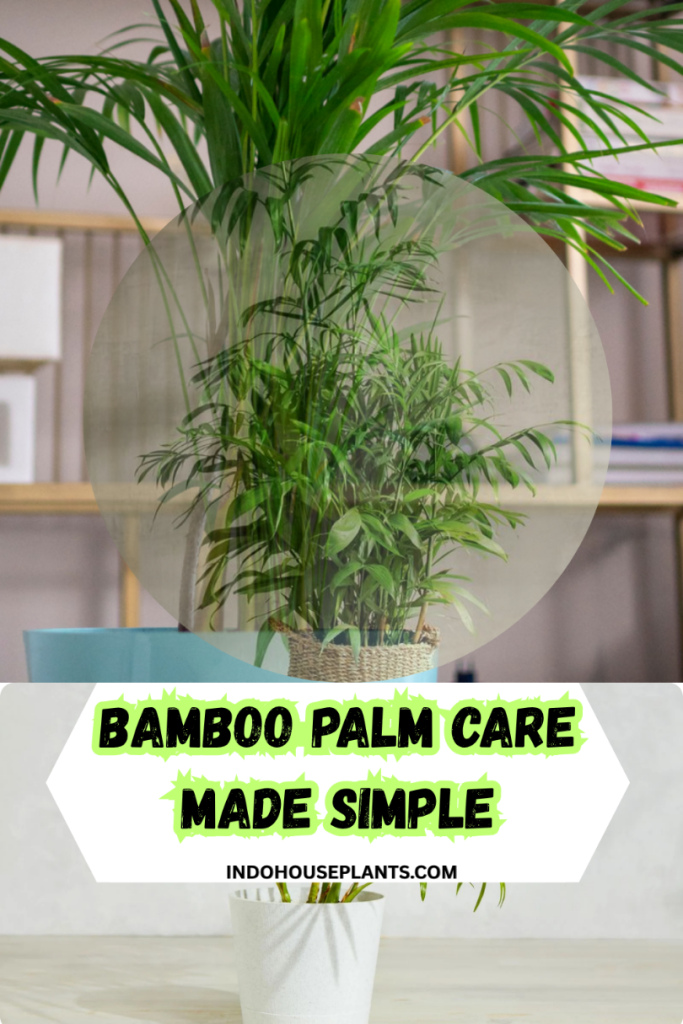
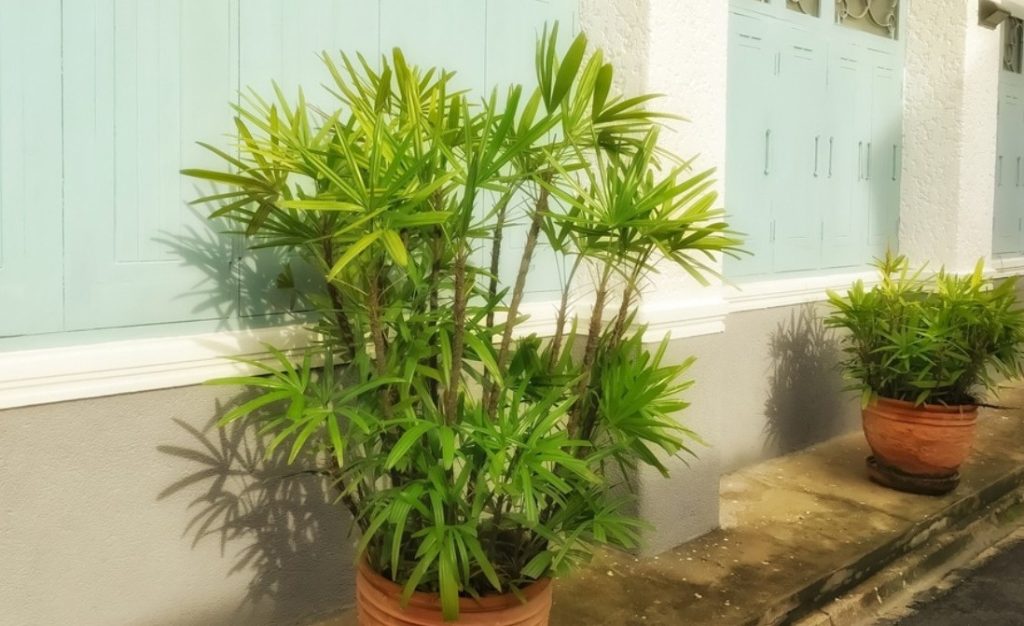
First off, Chamaedorea seifrizii isn’t even bamboo—it’s a palm that likes to impersonate. It brings that tropical vibe without trying to take over your whole house. Despite what Instagram might lead you to believe, it won’t double in size overnight or wilt at the drop of a hat.
Here’s what most people don’t know:
This is a plant that thrives on being left alone more than being fussed over.
Back in 2017, my first bamboo palm sat neglected for two weeks during my holiday (I forgot to ask anyone for help). Came home expecting carnage…instead, it looked happier than ever—a little thirsty, but no drama.
Find Its Sweet Spot—Don’t Overthink It
- Light:
Forget all those fancy spectrum charts—if you can read a book by natural daylight in the spot, your palm will be fine there. - I park mine eight feet from an east window behind a threadbare curtain—you don’t need special curtains or screens.
- Here’s something experts rarely admit: Slightly less light won’t kill your palm; it just grows slower. If it looks leggy or pale after two months, nudge it closer.
Once I tried two palms side-by-side—one behind glass doors (brighter), one deeper in the room. Both survived; only difference was pace of growth.
Watering Without Gadgets
Put away soil meters and mysterious moisture gauges. Use your finger—the original sensor:
- Jab into soil about an inch down (that’s knuckle-deep). Feels dry? Water.
- Still damp? Wait another day or two.
Room-temp tap water is fine unless your water is extremely hard (then maybe use filtered).
Cautionary Tale:
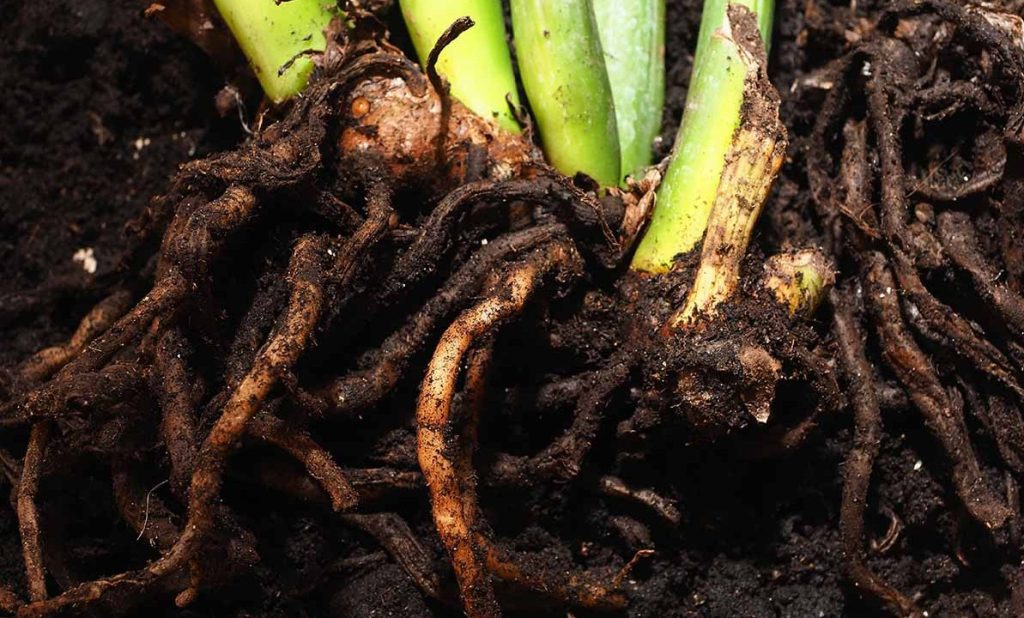
My brother once drowned his with love—watering “just a little every morning.” Classic rookie mistake! Brown limp leaves followed fast. I tipped the pot out: roots were basically mud soup. Lesson? Roots need air as much as water.
If you ignore everything else here: Only water when top inch is dry and make sure excess drains out the bottom.
Low-Stress Humidity Hacks
People act like palms need rainforest conditions at all times—not true unless you live in arid desert air conditioning year-round.
Easiest tactic:
- Place your palm near other houseplants if possible—they create a gentle humidity bubble together.
- Pebble tray? Somewhat useful but not essential. Mine sits directly on tile flooring; I mist maybe once a week tops (if I remember).
I actually gave up on daily misting after tedious months—with zero consequences except more free time! The only occasion I saw crispy tips was during winter when heating kicked on 24/7, so then I added weekly misting back into rotation until spring.
Wipe Down, Don’t Shine Up
Forget chemical leaf shines—that stuff clogs pores faster than cheap makeup on hot days.
Maybe once a month while watching TV, grab a slightly damp cloth and gently wipe each frond (you’ll see how satisfying it is by how much dust collects!). Keeps them glossy and lets them breathe better—done!
Pro tip from my friend Luis: He cleans his after vacuuming because “they grab dust like magnets,” especially in city apartments.
Feeding & Repotting Without Fuss
Skip complicated feeds—basic liquid houseplant fertilizer cut to half strength works great once per month through spring/summer.
Repotting? Aim for every couple years or when roots start pushing out of drainage holes, whichever comes first.
- Move up only one pot size
- Fresh potting mix labeled ‘houseplant’ or ‘palm’ is ideal
- Don’t jump three sizes bigger—it slows them down and risks root rot
After repotting last March (cost: $6; time spent: less than 15 min), mine practically doubled its leaf count by July and showed none of that droopy post-move drama people warn about.
Mistakes Made & Lessons Learned
The biggest myth? “You need perfect care.” Nope.
Here are my personal fails:
- Set one next to an always-on vent—leaves crisped no matter what else I did
- Used “ultra-rich” soil mix once—roots hated it (too dense)
- Forgot mine under laundry racks for weeks; drop in growth rate but bounced back instantly when moved back near window
It always comes back to this: normal neglect > overenthusiastic micromanagement for these palms!
Office Hack Example
In our old office building notorious for stale air and flickering fluorescents, we kept two dozen palms everywhere from conference rooms to reception corners. No humidifiers. Once-a-week watering roster among staff worked better than apps/tracking systems ever did—and became almost meditative for folks who’d otherwise never touch plants.
One quiet standout—we put three tiny palms under ugly ceiling lights nobody thought would work. Seven months later? They were still sturdy green dividers between cubicles while everyone’s fancier plants had already been replaced twice due to pest outbreaks or dramatic wilting fits!
Quick & Dirt-Simple Action Steps
- Buy sturdy-looking plant
- Place near daylight—not pressed AGAINST glass/windows
- Water only when top inch dries out
- Mist lightly when heat/AC are blasting OR group with other plants
- Wipe leaves monthly
- Move away from direct blasts of air/heating/cooling
- Don’t sweat small drops in leaf color/shape—it rebounds
Here’s the real secret: Consistency trumps perfectionism every single time with bamboo palms—and I’ve got years’ worth of lazy success stories (and failed experiments) to prove it.
If your palm looks rough after some forgetful weeks… shake it off! Give attention where needed, don’t obsess over complicated regimens—and enjoy watching an easy-life plant actually deliver on its reputation for once.