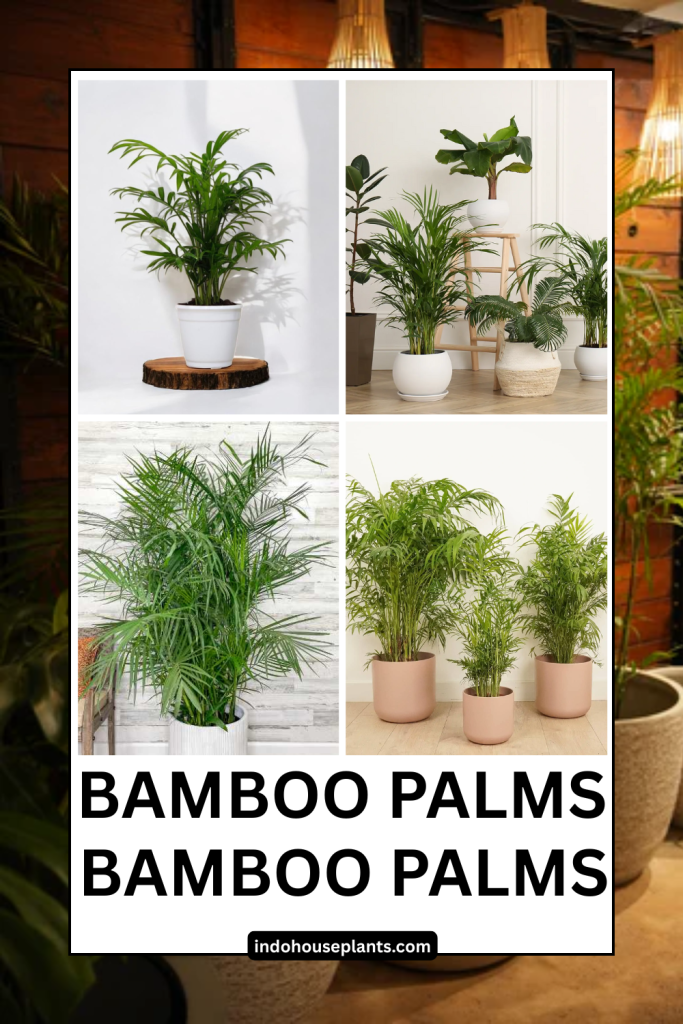
Bamboo palm plants didn’t just win me over because of their lush, tropical vibes—they taught me so much about what it means to actually connect with the rhythms of nature, right inside my city apartment.
If you’re standing in the plant aisle, torn between another snake plant and that bamboo palm with its feathery fronds calling your name, let’s dive in together—not just on how to keep it alive, but why these little choices create such a rewarding experience (and yes, why our brains get so much out of caring for them).
Rediscovering Nature’s Cues—Why Bamboo Palms Feel Like “Easier” Plants
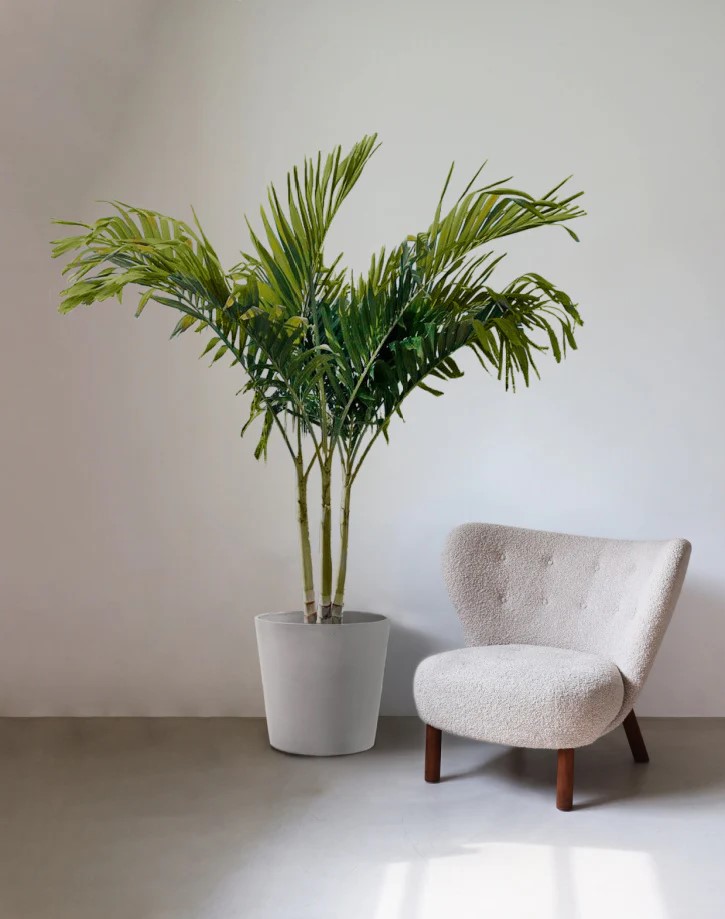
Let’s be honest: the world bombards us with checklists—“do this,” “never do that.” But here’s the exciting part: what makes bamboo palms such a rewarding pick isn’t just their resilience—it’s how they align perfectly with the human need for clear feedback.
When we see those arching leaves perk up after watering or respond to a new spot by unfurling a fresh shoot, we’re getting instant proof that our actions matter. Psychologically, this creates a lovely feedback loop—success breeds confidence.
Back when I picked my first Chamaedorea seifrizii (the “classic” bamboo palm), I was craving visible wins. Life felt chaotic; I wanted something green that didn’t punish every tiny mistake. That plant responded quickly but gently—a yellow tip here if I forgot to water during finals week, new growth popping up if I found a shadier nook. My brain soaked it in like sunlight: “Oh! I can do this.” You’ve got this too.
The Sunlight Paradox—Not All “Bamboo”s Are Created Equal
Here’s what most people don’t know: Bamboo palms are masters of adaptation because—unlike real bamboo—they evolved under the dappled canopy floors of rainforests. They actually get stressed by all-day sunbathing! Your brain might say, “Brighter light equals happier plant,” but trust those botanical roots—the palm will show off best in indirect rays.
Quick story: In my first year with one, I made the rookie move of pushing it into my only south-facing window. Within days? Crispy brown tips—ouch! Sliding it back behind a gauzy curtain worked like magic. That embarrassment turned into one of those memorable learning wins: pay attention to how your environment—and your reactions—shape each other.
Pro tip: If you struggle to find perfect window placement (hello, apartment dwellers!), don’t sweat it. A $10 set of sheer curtains or even an LED grow light set on a timer fills in beautifully.
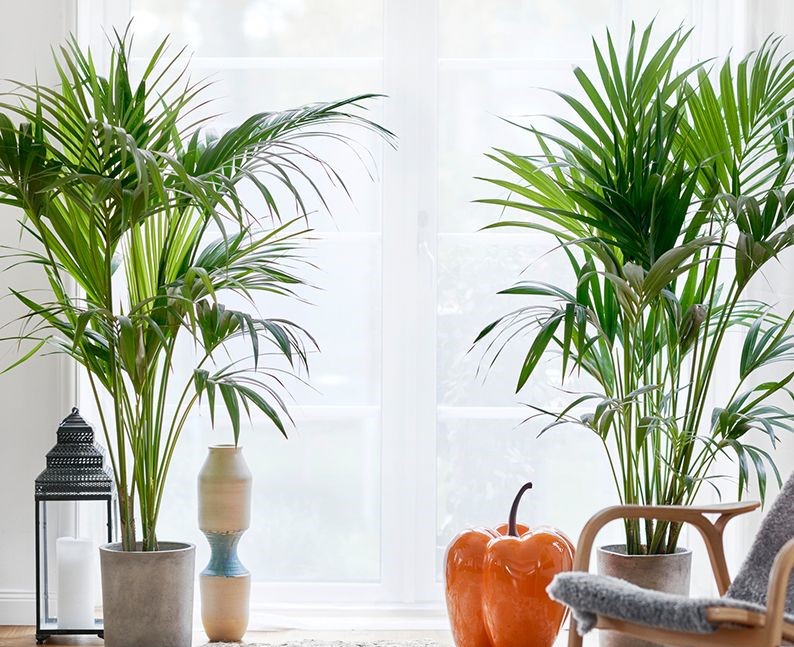
Not Just Pretty Faces—Why We Crave Air-Purifying Plants (It’s Psych 101!)
Ever notice that walking into a room with thriving greenery is an instant mood lifter? There’s research behind that fuzzy feeling! Beyond NASA giving bamboo palms their gold star for filtering formaldehyde and benzene (raise your hand if you’ve ever painted indoors…), there’s something deeper happening.
Plants subtly signal safety and calm—you instinctively relax when surrounded by healthy foliage because your brain picks up subtle cues: moisture in the air (good for breathing), visible life (less stress). Two winters ago when cabin fever hit hard, I doubled down and brought home an extra palm. By February, sinus headaches faded and mornings felt lighter—I wasn’t imagining it; humidity levels rose several percentage points compared to my friend’s apartment with only cacti!
What most blogs skip: Scentless plants like bamboos keep environments peaceful for allergy-prone folks—which means you can soak up all these psychological perks without worrying about sneezing guests.
High-Maintenance Myth Busted—Where Simplicity Calms Anxiety
Early on, I believed any beautiful houseplant must come with strict routines (“Maybe there’s a secret handshake I missed?”). The reality is refreshingly different. Here’s what worked:
- Touch counts more than timers: Stick your finger in the soil until you hit dry earth at knuckle-depth—that tells you way more than an app reminder ever could.
- Don’t drown or starve: Err on underwatering rather than keeping roots swimming.
- Low-stress feeding: Dilute liquid fertilizer maybe twice monthly during peak months; honestly, skip winter unless growth clearly resumes.
- Repotting? Relax: The great news is bamboo palms hate change as much as we do—only upgrade pots every few years if roots start peeking through holes or growth stalls out.
For anyone struggling with perfectionism (waves hand), these gentle expectations do wonders psychologically. Missing a scheduled care day isn’t failure—it invites observation instead of anxiety.
Failed attempt confession: The first time I fertilized mine? Overdid it out of enthusiasm… cue droopy fronds for two weeks straight! Now I dilute by at least half and haven’t had trouble since.
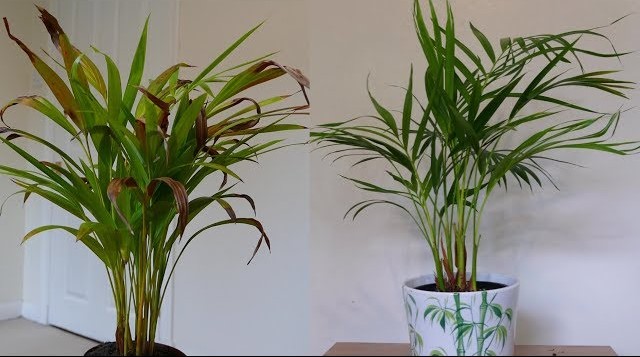
Brown Leaves = Feedback, Not Failure
I can’t count how many panicked DMs pop up just after New Year’s—“My plant has gone crunchy!” Remember: We’re wired to overreact to signs we interpret as decline (it’s basic survival instinct). With bamboo palms:
- Brown tips usually mean low humidity or skipped watering—nothing sinister!
- Entirely yellow fronds likely just mean old leaves are retiring. Snip ’em off; thank them for their service.
- Don’t let guilt drive impulsive overwatering—that swings things from crispy tips right into mushy death-trap soil!
One trick clients love: Use browning as data—not judgment—to tweak routines slowly instead of making big swings based on panic.
Real-Life Fixes & Unexpected Tricks
After years fielding questions from friends who swore they had brown thumbs—and later sending me pictures beside thriving palms—I compiled my own rescue kit:
- Sticky or spotted leaves? Gently wipe weekly using damp microfiber cloth; bonus points for placing near your shower once per month (humidity boost + pest prevention).
- Frond droop alert: Gradually increase light rather than blasting overnight; move closer to windows inch by inch.
- Slow-growth season? Don’t force things—a natural pause is part of its cycle (plants need downtime too).
- On pot size/costs: My well-loved 6-inch palm cost $21 and managed three years before needing a new home—a rare low-maintenance green investment!
“Most people don’t know” insight: Spider mites despise consistent misting—but if drama arrives anyway (trust me, it will eventually), Neem oil spray saves the day without scary chemicals.
Build Your Own Success Loop
If you want truly lasting success—and honestly enjoy having this plant around—the best thing isn’t memorizing rules; it’s building small rituals that suit your life. During exam season? Water Sunday nights while meal-prepping so you never forget. Tracking moods? Notice if gazing at those swaying fronds helps recharge after Zoom fatigue—you might be surprised!
Here’s what brought ME joy:
- Noticing every new leaf and celebrating like it was my kid winning Little League
- Sharing healthy cuttings with friends who couldn’t believe “I’d grown that myself”
- Doing quick check-ins once per week instead of micromanaging daily
Ready to Flex Your Green Muscles?
To recap with some spirited tips:
- Bright-but-sheltered spot = happy palm / happy human
- Choose healthy specimens at shops—a willing plant partner matters
- Standard indoor mix + drainage holes = less root drama
- Water only when YOU sense dryness at fingertip-level
- Celebrate each small moment—a single gleaming new frond is proof enough you’re growing alongside your plant!
Above all else, remember that confidence comes from curiosity plus patience—not perfectionism. Every so-called screw-up is really data-gathering…and everyone starts somewhere humble! Next time you wonder if you’re “doing enough,” look closer—a thriving leaf or even steady green silence means progress is happening right alongside you.
You’ve got this—and if any surprise issues pop up along the way? Drop me a line—the only secret handshake needed here is enthusiasm and willingness to learn together!