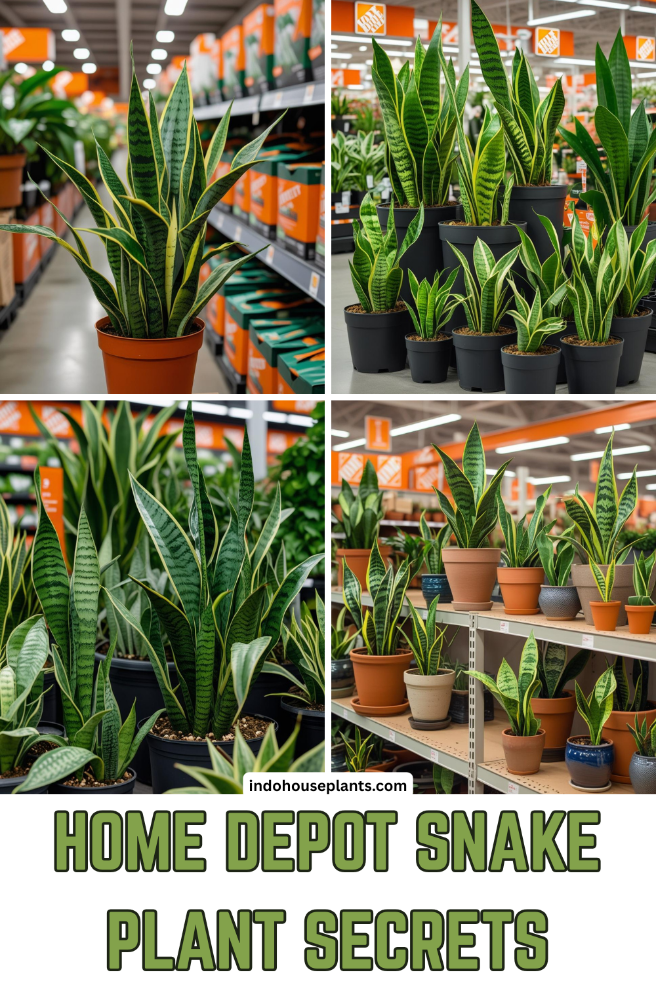
Ever stood in the Home Depot houseplant aisle, holding a snake plant and thinking, “Wait—why do some look so perky while others are floppy or sad?” Let me break this down: grabbing a healthy snake plant sounds simple, but there are so many silent little mistakes most people (me included!) make that can mean the difference between an Instagram-ready green giant and a lopsided survivor missing a few leaves.
Let’s go step by step through what most folks don’t know—but wish they had—about buying and caring for a snake plant from Home Depot.
1. The Hidden Hazards of the Store Shelf
Here’s a mistake almost nobody mentions: assuming all those cheerful snake plants at Home Depot are healthy just because they’re alive at all. Think of it this way—these plants travel hundreds of miles, sometimes sitting in dark, chilly trucks for days before hitting the store floor. That means you have to play plant detective:
- Leaves With Secret Soft Spots: Casual shoppers gently brush the tops of leaves—but trust me, mushiness starts at the base. Always feel around the soil line for squishy bits. If it feels like a brown banana near the dirt? Walk away.
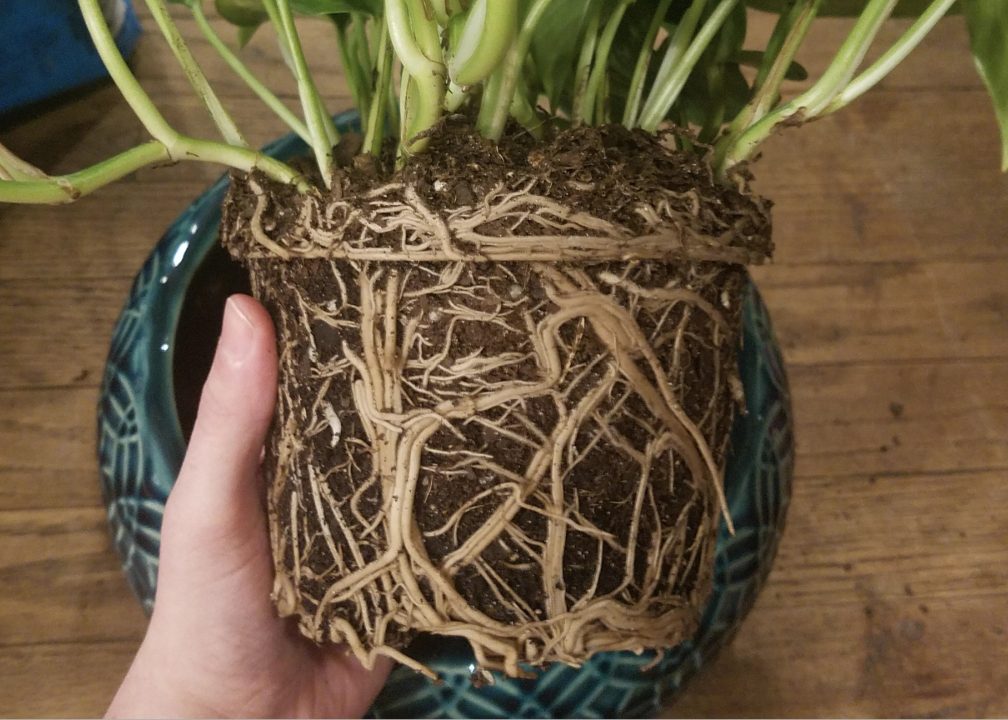
- Crammed Pots: I once brought home a plant with gorgeous tall leaves… but under the surface, roots had started circling and choking themselves—rootbound! Check underneath through drainage holes; if you see thick white roots pushing out like spaghetti trying to escape, factor in an early repotting (or pick another).
- Variety Surprise: Snake plants come in more shapes than most realize—some short and flat, some round or “cylindrical.” Back in autumn 2020, I was after classic Sansevieria trifasciata but accidentally walked out with Starfish (‘Boncellensis’), which stays squatty no matter what you do! No question is silly: ask staff which varieties are on hand if you want something specific.
Pro Tip: Skip any pot showing odd white fuzz; it can mean fungus from sitting damp too long.
2. Rookie Transport Goofs (and How I Learned)
True story: one icy January afternoon—I didn’t cover my new leafy friend for the dash to my car. The top leaf turned potato-chip yellow by morning from cold shock. Lesson learned: always wrap your plant baby in paper or an old scarf if it’s below 50°F outside.
Also, never leave your plant baking inside your car if you get sidetracked shopping—the greenhouse effect is real! Overheated leaves develop mysterious blotches that never heal quite right.
3. Letting Your Plant Settle In—Not Stress Out
Most people rush straight into repotting because online advice says “ditch plastic nursery pots.” But here’s what most don’t realize: changing pots immediately after bringing home any plant stresses it out twice as much (it’s dealing with new light/temp/routine already!). If there aren’t roots busting through holes? Leave it in its plastic pot for at least 4–6 weeks.
Think of moving day: would you want your furniture rearranged before you’d even unpacked? Give your snake plant time to chill and recover first!
4. Watering—Where Nearly Everyone Fails at First
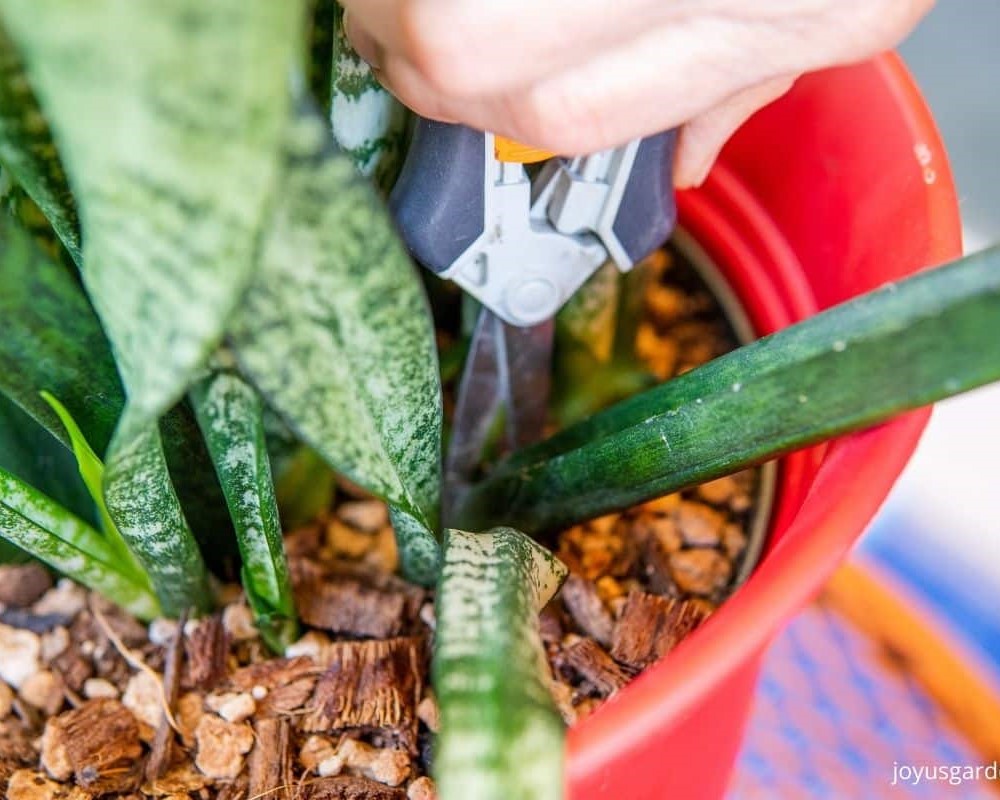
This mistake gets even seasoned gardeners: watering before the soil is bone dry just because “it looks thirsty” or “the calendar says so.” I once killed two beauties because I wanted them to need more attention than they did.
Here’s my unconventional tip:
- Stick a toothpick deep into the soil—not just your fingertip.
- Wait for it to come out totally clean and dry before reaching for water.
If unsure? Underwater rather than overwater; these guys store moisture like camels.
Seriously: During winter months, mine sometimes go SIX WEEKS without so much as a drop…and still push up new growth when spring arrives.
5. Light Misconceptions & Unexpected Perks
Snake plants truly tolerate low light—but did you know too little means you’ll wait ages for fresh leaves? My office specimen under fluorescent bulbs barely changed shape all year. Moved closer to an east-facing window? Two brand-new shoots popped up by month’s end.
No question is silly here! Test different spots around your home each month—even just turning the pot every week helps balance growth (otherwise yours might lean toward its favorite sunny patch).
Real-Talk on Problems You Won’t See Online
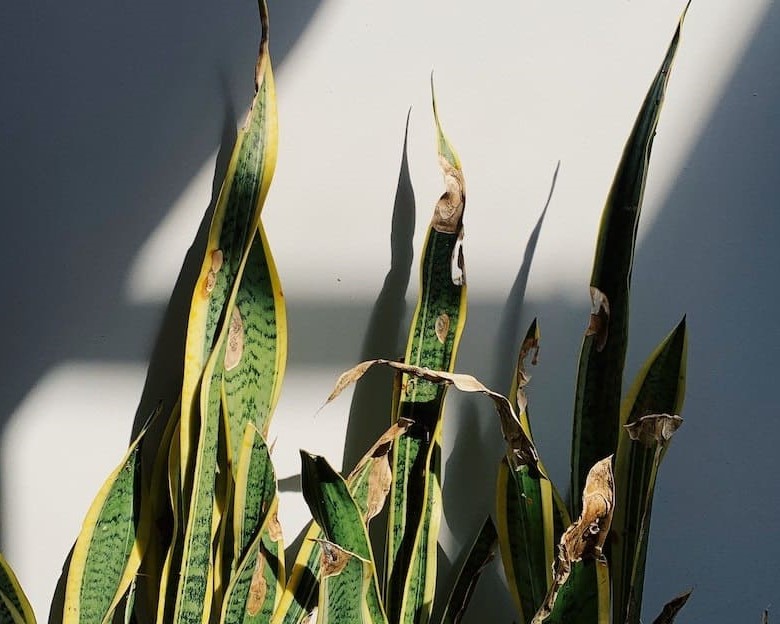
Everyone shows off fresh glossy leaves—but what about these?
- Brown tips that won’t go away: Often caused by tap water minerals/fertilizer salts building up over time. Switch to filtered water OR bottom-water occasionally (set pot in a tray so roots slurp up clean water only).
- Weird limp patches halfway up otherwise firm leaves: Sometimes happens when inconsistent watering traps moisture mid-stem instead of letting it evaporate from the top or drain out fully.
- Random bug outbreaks after bringing new plants home: Spider mites love Home Depot foliage! Always isolate new arrivals from other houseplants for two weeks—you’ll catch unwanted hitchhikers before they spread that way.
A Few Unusual Tricks You Won’t Hear From Most Guides
Let me break this down:
- Once tried rooting leaf cuttings directly in LECA pebbles instead of water/soil—and ended up with faster root growth minus rot issues! Hydroton pebbles = secret weapon.
- Use a handheld moisture meter (less than $10) if you always second-guess watering day—a lifesaver during busy months.
- For slow-growing varieties? Apply half-strength succulent fertilizer each April & July only—that burst is plenty until next year.
And hey… track progress! Every spring equinox since 2021, I’ve taken monthly photos from above—watching how those tough, upright spikes thicken over time genuinely makes me smile (and keeps me patient when not much seems to change week-to-week).
Final Thoughts from One Plant Person to Another
Looking back on my very first snake plant haul (yep, nervous hands clutching three mismatched pots), I’ve realized half my success came after accepting early blunders were normal—and forgivable.
Most people worry their brown thumb will show itself fast; truthfully, snake plants thrive best when we stop micromanaging them. Trust drier soil, gentle hands when inspecting leaves/fungi/pests—and observe first before acting.
If anything goes wrong along the way (problems find everyone!), write down small notes: date bought, last watered/fed/moved locations—a mini journal lets future-you crack any case quickly without guesswork!
So yes, buy that Home Depot snake plant—even if past plants didn’t make it far…because with these battle-tested lessons (especially what not to do), yours will have every chance to thrive in your care this time around.
You’ve got this—and no question is silly as you get started!