Okay—let’s just say it out loud: You want that lush, put-together living room vibe, but every time you picture buying a big, bold plant, you get this uneasy knot in your stomach. That’s not just you being indecisive or ‘bad with plants’—it’s normal to be nervous after seeing a few (or a dozen) crispy, wilted casualties over the years.
Seriously, almost everyone has secretly thrown a shriveled plant in the trash and then spent weeks side-eyeing empty corners, wishing they knew how to get it right.
I’m not here as some plant influencer with a jungle for a living room and a never-ending budget—or pretending I’ve never watched a $40 fiddle leaf fig slowly fall apart in the corner.
This is real talk from someone who’s had more brown leaves than green ones, shared space with plant skeptics, and still totally turned my home around, one forgiving plant at a time.
So, what’s actually standing between you and that ‘wow, your place feels amazing!’ feeling—other than, you know, a tragic pothos and some understandable plant trauma? Let’s pull up a chair, grab your phone (for some sneaky photos), and make this way less risky—and a lot more fun—than you think.
By the end of this, you’ll have a clear, honest game plan: how to pick a big plant that fits your real life (not just Pinterest), set it up for success even if you’ve killed every plant before, and a step-by-step guide that won’t blow your budget or leave you feeling like a failure if things get tricky. Sound good?
Why Wanting a Vibrant Home (But Fearing Another Plant Disaster) Is Completely Normal
Let’s start with the thing nobody tells you on plant blogs: Wanting a gorgeous, mature-feeling home is about way more than just ‘decorating.’ It’s about wanting to feel proud, like you actually belong in the space you wake up to every morning. And, look—if you’ve ever found yourself staring at your living room, picturing that dramatic, leafy stunner in the corner, only to remember last year’s ‘crunchy plant incident,’ you’re not being negative or irrational.
I totally get it: My first ‘statement plant’ was a $35 snake plant that basically died of neglect because I assumed it was un-killable (spoiler: nothing is, if you leave town for two weeks and forget to water). After that, every new plant purchase felt like a gamble—so I stopped. But then my place just stayed a little…flat. Turns out, that craving is legit: studies literally show plants reduce stress and boost feelings of comfort at home.
So, if you feel like you’re stuck between longing for a lush space and this lurking fear of wasting money (or making another mistake), welcome to the club. You’re not alone, and you’re not broken. If you’ve killed plants before, that doesn’t disqualify you from trying again—it just means you’re ready to do it smarter this time.
Step One: Get Real About Your Space (and Your Reality)
Before you even look at another plant photo, let’s do what nobody does: actually look at your space. And not in a ‘well, I think there’s some light by the window’ way. Here’s what I wish I’d done from the start:
- Walk your space at three different times (morning, midday, late afternoon). Snap a photo of each spot you’re considering for a plant. Don’t guess—your memory will trick you!
- See which spots get consistent light—not just a sunbeam for five minutes. Most ‘impossible to kill’ plants still need at least indirect light for part of the day.
- Take a peek at what’s around: is there room for a pot? Will anyone trip over it? If you’ve got a partner, roommate, or toddler—or a shedding pet—think about traffic and mess.
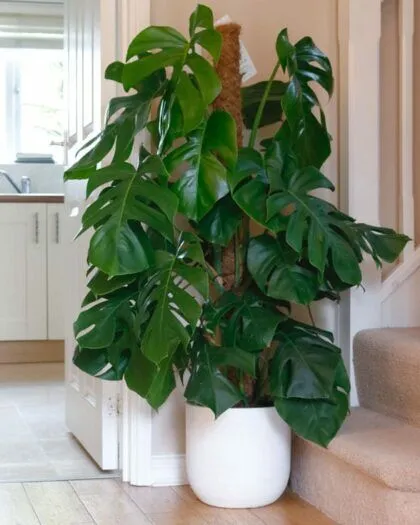
I once picked the absolute ‘best’ corner for a monstera…which turned out to be a favorite cat nap spot. Two weeks later: dirt everywhere, and a very smug cat. Lesson learned: space matters more than you think.
And hey, if your dream plant spot is a little dim, don’t sweat it. There’s a plant for that. If you’re feeling overwhelmed by all the options and can’t decide which plant will actually survive, we’ll tackle that decision paralysis next.
Set a Real Budget (and Actually Stick to It)
Here’s where I used to spiral: plant shops make it so easy to fall in love with a $90 ‘rare’ something, and suddenly you’ve spent more than on actual furniture. No judgment—but let’s not do that.
Pick a strict budget before you go near a nursery or click ‘add to cart.’ Seriously, $30–$50 is plenty for a big, healthy, starter plant.
Why? Because expensive doesn’t mean foolproof. I’ve seen $15 snake plants outlive $80 palms. Plus, you’ll need a sturdy pot (add $10–$20) and maybe a bag of soil ($5–$10).
Good Budget Breakdown:
- Plant: $20–$40 (ZZ plant, snake plant, or peace lily)
- Pot with drainage: $10–$20 (don’t get distracted by ‘statement’ pots—get something sturdy and basic)
- Starter soil: $5–$10
- Total: $35–$70 max
And if you’re tempted by another ‘rescue’ orchid or Instagram-viral monstera? Take a breath, stick to your short list, and remind yourself this is about building confidence, not collecting plant drama.
Choose Your Forgiving Statement Plant (That Actually Suits Your Life)
Let’s make this easy: You want something big enough to make an impact, but forgiving enough that a missed watering or two isn’t a death sentence. Skip the drama queens (fiddle leaf figs, calatheas) and go for proven survivors. My go-tos, with zero shame:
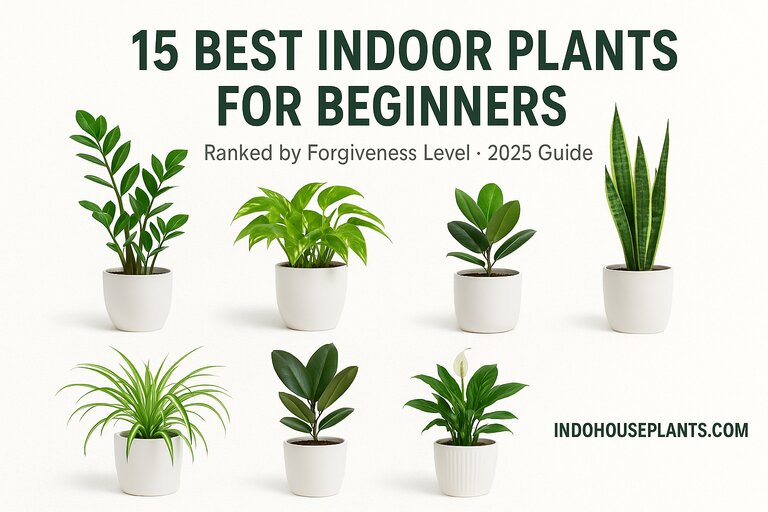
- ZZ Plant (Zamioculcas zamiifolia): Looks lush, tolerates low light, drinks water once a month if needed. I’ve forgotten mine for five weeks and it still looks smug.
- Snake Plant (Sansevieria): Tall, architectural, and basically the camel of houseplants. Lives in corners, hallways, and offices with almost no fuss.
- Pothos (Epipremnum aureum): Trails, climbs, survives low light. Yes, you overwatered your last one—but let’s do it right this time.
Do this: Pick one plant. No matter what YouTube tells you, don’t buy three ‘for variety.’ Use The Sill or Bloomscape for clear care instructions, not random forums. And double-check: Are pets or kids part of the equation? (ZZ and pothos are mildly toxic to nibblers. Snake plant is too, but less tempting.)
Script for the nursery:
“Hey, I’m looking for a big, beginner-friendly plant for bright-indirect (or low) light, with a $40 budget. What would you recommend?”
It’s not about finding the ‘perfect’ plant. It’s about finding one you (and your life) can actually live with. And if you’re dealing with household resistance, like a partner who thinks big plants are messy, we have strategies for that too.
Get Buy-In (And Avoid Household Drama Before It Starts)
One of my biggest mistakes? Lugging home a giant plant only to have my partner look at it like it was a stray dog. If your home is shared—even with a very opinionated cat—it’s worth a quick check-in.
Literally show your household a photo of the plant and the planned spot. Try: “Hey, I’m thinking about putting a snake plant here—does that work for you? Any worries about mess or allergies?”
If someone’s worried about dirt, big leaves, or ‘clutter,’ hear them out. You might need to compromise on size or location (been there). Bonus: when people feel included, they’re less likely to secretly resent the plant—or you, when you’re misting it on a Sunday morning.
If you’ve got pets or toddlers, google the plant’s toxicity and use a sturdy pot they can’t knock over. (I once lost a ZZ to a teething puppy. $40 lesson: tall, heavy pots are your friend.)
This is five minutes of awkward that saves you months of eye rolls or, worse, a plant in the bathroom where nobody ever goes.
Set Up for Success (Not Just for Instagram)
It’s so easy to get caught up in the ‘perfect’ pot or styling. But honestly? No fancy basket will save a plant in the wrong spot or a pot with no drainage. Here’s what actually works:
- Buy a basic, sturdy pot with drainage holes. No exceptions. If you want it to look fancy, stick it inside a prettier basket—just remember to take it out before watering.
- Set a recurring phone reminder: once a week, check the soil. Not ‘water every Sunday’—check if the soil is dry about two inches down. (Buy a $10 moisture meter on Amazon if you’re unsure.)
- Keep a small rescue kit: watering can (or even a big cup), soil moisture meter, and an old rag for drips, right next to the plant. No more ‘I’ll do it later.’
- If you miss a watering or the leaves start to droop, don’t panic. Move it to a slightly brighter/dimmer spot, trim dead leaves, and give it a week. Plants are way more forgiving than you think, especially if you’re paying attention.
Personal tip: I leave a sticky note on my fridge with the plant’s name and a quick ‘if leaves get soft, check water’ reminder. It’s dorky, but it works. And if you run into trouble—like your fiddle leaf fig starts dropping leaves—don’t panic. There are specific rescue steps you can take.
What to Expect in the First Few Weeks (and How to Handle Wobbles)
The first few weeks with any plant are…awkward. Sometimes it looks a little droopy, sometimes you realize the spot you picked is way too dark, or you question if it’s growing at all. This is not failure—it’s just the adjustment phase.
Remind yourself: you’re not ‘testing’ your worth as a plant parent. You’re running a low-stakes experiment. If it looks off, try gently moving the plant a few feet closer to the window, or away from cold drafts. If you see a yellow leaf, snip it off and move on.
And if it really, truly starts to fail? That’s data, not disaster. Take a photo, bring it to the nursery, and ask: “Is this normal? What can I try?” Much better than spiraling in guilt.
My first snake plant had a dramatic leaf flop two weeks in. Turns out, I’d put it right under the AC vent. Moved it, watered once, and it perked right up. If I’d given up, I’d have missed out on seeing it thrive three years later.
The script for self-compassion:
“This is a trial run. I can adjust. One plant does not define me—or my home.”
How to Build Confidence Over Time (and Actually Start Loving Your Space)
Once you’re a few weeks in, you’ll notice something: That one healthy, solid plant starts to feel like an anchor for your room—and your self-image. It’s genuinely wild how much difference it makes, even if the rest of your place is a mix of hand-me-downs and ‘maybe someday’ ideas.
Start with one plant. If it’s going well after a month or two? Try adding a second—maybe a smaller pothos on a shelf, or a tiny cactus on your desk. No pressure, no rush.
And if you’re tempted to compare your home to a Pinterest feed, remember: those lush, magazine-ready jungles take years (and, let’s be real, a lot of editing and sunlight). Most of us are just looking for a little burst of green that says: I live here. I care. This is my space.
My own journey? I started out terrified, too—but now, I get so many “Wow, your place feels so inviting!” comments, even though I only have a handful of plants. Each one tells a story—not of perfection, but of trying, learning, and making my home mine.
Quick Reference: Your Step-by-Step No Regrets Statement Plant Plan
- Walk your space and take photos at different times of day—find your real light.
- Set a plant budget ($30–$50 is enough).
- Pick one forgiving statement plant (snake plant or ZZ are top picks).
- Show household members your pick and spot—get their input and buy-in.
- Buy a basic pot with drainage (plus soil).
- Place the plant, set up your care kit, and set a weekly phone reminder.
- For the first month, treat everything as an experiment. Adjust as needed, and ask for help if things go wonky.
Remember: You’ve already succeeded by trying again. One healthy plant is all it takes to change the way your home—and you—feel.
Need More Help? Check Out These Specific Plant Guides
If you’re facing specific challenges with your plant journey, these detailed guides can help:
- Emergency help: My fiddle leaf fig is dropping all its leaves—what do I do?
- Stuck in research mode? How to finally pick a plant when you’re overwhelmed by options
- Starting over: Should I try again after killing my last plant?
- Relationship navigation: How to convince a reluctant partner about big plants
Each guide tackles the specific emotional and practical challenges you might be facing, with real scripts and step-by-step solutions.