Bringing indoor tree plants into your home isn’t some secret reserved for green-thumbed wizards—it’s about smart choices and a bit of trial and error. After nearly a decade wrangling everything from fussy Fiddle Leaf Figs to bombproof Dracaenas in apartments, offices, and even my mother-in-law’s drafty kitchen, I can tell you: you don’t need perfection, but there are a handful of ground rules most people (and more than a few garden centers) gloss over.
Here’s my practical playbook—with every tip earned through experience and the occasional plant funeral.
The Reality: Most People Overthink Indoor Trees
Let’s be honest—if I had a dollar for every dramatic “rescue” plant post I’ve seen online, I’d have paid off the mortgage. The truth is almost any dedicated beginner can keep an indoor tree alive if they avoid some classic first-timer traps.
Don’t aim for botanical garden grandeur on day one; think of this like adopting a pet—you’re going to mess up occasionally, and that’s half the fun.
Here’s What Matters Most (And Most People Get Wrong)
1. Don’t Baby Your Tree—Observe It Instead
My number one insider lesson? Plants are way more adaptable than their Instagram fame suggests. For example, three years ago, I left town unexpectedly for ten days—the Rubber Tree in my north-facing living room didn’t just survive, it actually pushed out new leaves thanks to being left alone!
Constant fidgeting does more harm than good. Watch the plant, trust your eyes:
- Glossy leaves = happy
- Drooping or crunchy? Time to investigate.
2. Forget Fiddle Leaf Figs—At First
Hot take: Skip the ultra-sensitive Fiddle Leaf Fig until you’ve got at least one “beginner victory.” They look spectacular but will punish inconsistent care with leaf loss faster than you can Google “brown spots on fig.”
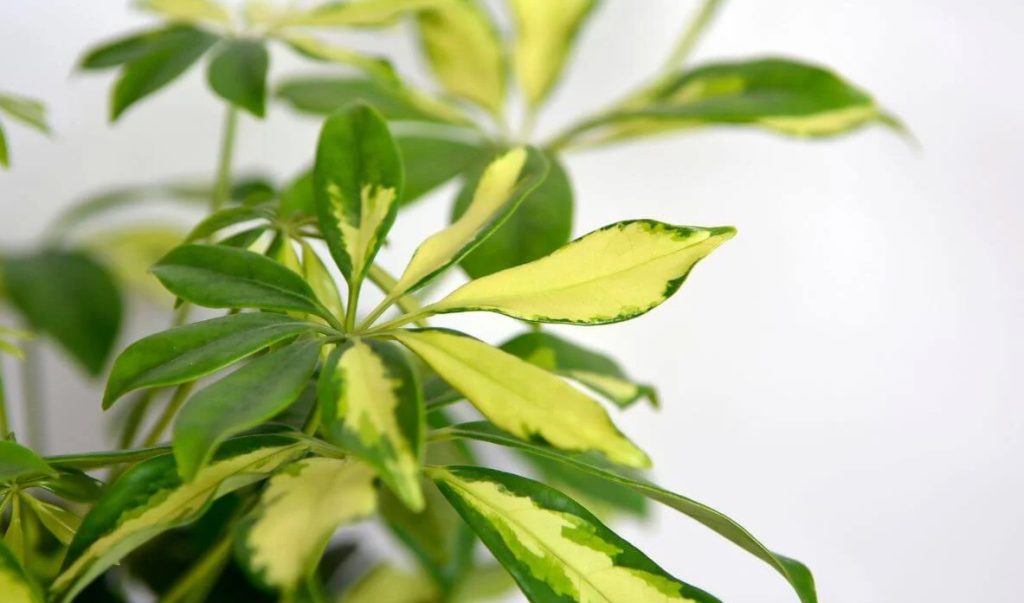
Start with workhorses like Rubber Trees or Schefflera—they’ll forgive missed waterings or less-than-central sunlight.
3. Light: Less Is Often More
The rookie mistake is plunking your plant beside the sunniest window hoping it’ll grow faster. In reality, actual sunlight through glass can literally roast leaves in summer—or scorch them pale yellow year-round.
Think bright-ish but indirect light:
- East-facing windows are best
- Or several feet back from south or west windows
Insider hack: If you can read a book without turning on the lamp during the day where your plant sits, you’re set.
4. The Pot-and-Soil Combo That Saves Lives
Here’s what most people don’t know: cheap “decorative” pots kill more trees than poor watering ever did. Always use pots with drainage holes (no exceptions).
Repotting? Don’t splurge on orchid mixes or composts—the best starter mix I’ve found is half bagged houseplant soil plus a handful of perlite for airflow (one $5 bag has lasted me three years).
5. Water Like You Mean It—Then Ignore It
Most people drown their plants out of love when what these trees really need is time to dry out between showers—a soggy root ball is like sitting in cold soup all week.
Real-world tactic:
- Stick your finger into the dirt up past your first knuckle—bone dry?
- Water deeply until it drains out below
- Walk away until next week at least (phones make great watering reminders)
In winter—or heavily air-conditioned homes—I stretch that interval by almost double.
6. Air Quality Beats Humidity Gizmos
All those fancy humidifiers go unused after month two in most homes—and dust builds up shockingly fast indoors (especially if you live near traffic or construction).
Once-a-month wipe-downs with a barely damp microfiber cloth keep leaves photosynthesizing—and let you spot pests before they cause real trouble.
Here’s something hardly anybody tells newbies: Parlor Palms even tolerate kitchen humidity—but move them off cold floors or they sulk!
Unconventional Approaches That Actually Work
- Rotating doesn’t just make things symmetrical—it prevents leaning, which causes wild top-heaviness down the road.
- Schedule repotting right before spring—not fall—so roots have months of active growth ahead to settle in.
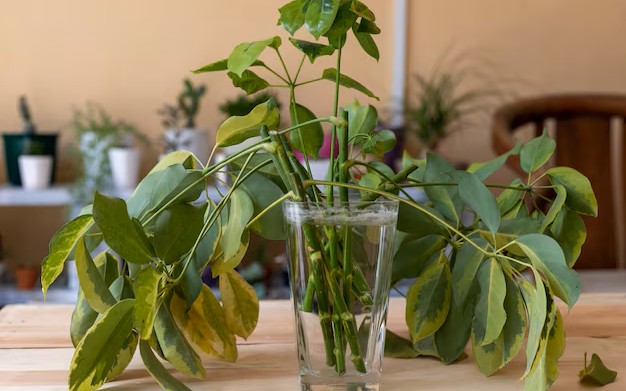
- Money tight? Propagation jars are gold mines. My last Schefflera started as two $1 cuttings rooted in water on a bathroom windowsill.
- Leaf drop after moving house? Give it two weeks before panicking—plants are slower to react than pets.
Confessions from Years in the Jungle
I’ve baked a Schefflera by putting it under a halogen desk lamp; killed my first Fiddle Leaf by loving it too much; and discovered (after reading way too many Facebook groups) that misting as plant “self-care” does virtually nothing unless your air is Sahara-dry.
My personal favorite? Dracaena marginata—the so-called dragon tree—which took every bit of neglect life threw at me when we brought home twins and still managed a growth spurt during nap times!
Real Numbers From Real Plants
- One Parlor Palm bought at IKEA ($12) lived five years and powered through apartment moves, dog fur storms, and three forgetful roommates because we watered only when absolutely dry.
- Rubber Tree placed ten feet from an east window doubled its size from 16″ to over three feet in sixteen months.
- Schefflera kept under old office LEDs put out new shoots every three weeks after adjusting the watering regime once—a cheap moisture meter was key ($8 well spent).
Troubleshooting With Less Drama
Droopiness: If leaves sag horizontally but aren’t yellowing or crisping, check both ends: either going too long without water or stuck with soggy roots.
Brown tips: Odds are it’s dry indoor air + salty tap water buildup; flush gently every few months if your pipes run hard.
Yellowing + rapid shedding: Sit on your hands! Unless entire stems collapse overnight it’s usually acclimation shock—not death throes.
What didn’t work? Buying big floor-standing trees straightaway—I learned smaller plants adjust better indoors…and so do busy people managing weekly care routines!
No-Nonsense Next Steps
- Choose one low-maintenance variety (my pick: Rubber Tree).
- Place it where light is strong enough mid-day that reading won’t strain eyes.
- Grab any drainage-pot setup rather than fuss about ceramics vs baskets.
- Water deeply but wait until bone dry—even if that means only two drinks per month sometimes!
- Celebrate small wins each time a fresh leaf unfolds…then show off on social media if that motivates you—you’ll be motivating someone else too.
If nothing else sticks from this guide remember this truth: Nobody starts with jungle skills—they earn them one survived plant at a time (plus plenty of laughable fails along the way). Every thriving corner forest started with “Can I keep just this one alive?”
Skip perfectionism; get planting—and let real results teach you more than any guide ever will!