Back when I moved into my first shoebox apartment, the air felt stuffy, lifeless—you know that stale smell you can’t Febreze away? That’s when I started hunting for “air-purifying house plants,” but what I found on most lists was either intimidating or wildly optimistic.
So here’s the straight talk from someone who has burned a few leaves and overwatered more pots than I care to admit.
Why Bother With Air-Purifying Plants? (From Someone Who Once Hated Them)
I’ll be blunt: no plant will instantly zap all toxins from your home. But after years of city living—landlords painting over mold, mystery smells wafting up from neighbors—I’ve learned plants do chip away at indoor junk long-term.
More importantly, they anchor me in my space. When everything feels hectic, just seeing healthy leaves reminds me I’m tending to something real.
Here’s what most people don’t realize: It isn’t about owning a rainforest’s worth of greenery; it’s about developing small habits that make your space healthier—and yourself a little calmer.
My Go-To Air-Purifying Plants (Battle-Tested for Real Life)
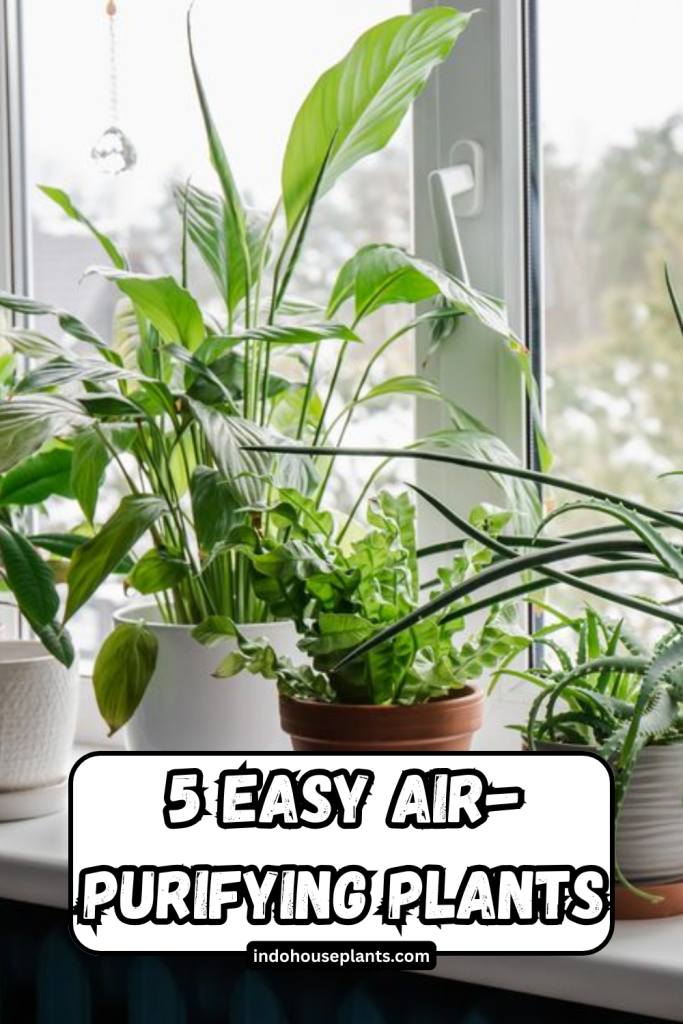
Let’s cut through the fluff. These five are the ones I recommend to friends who panic when their last basil wilts.
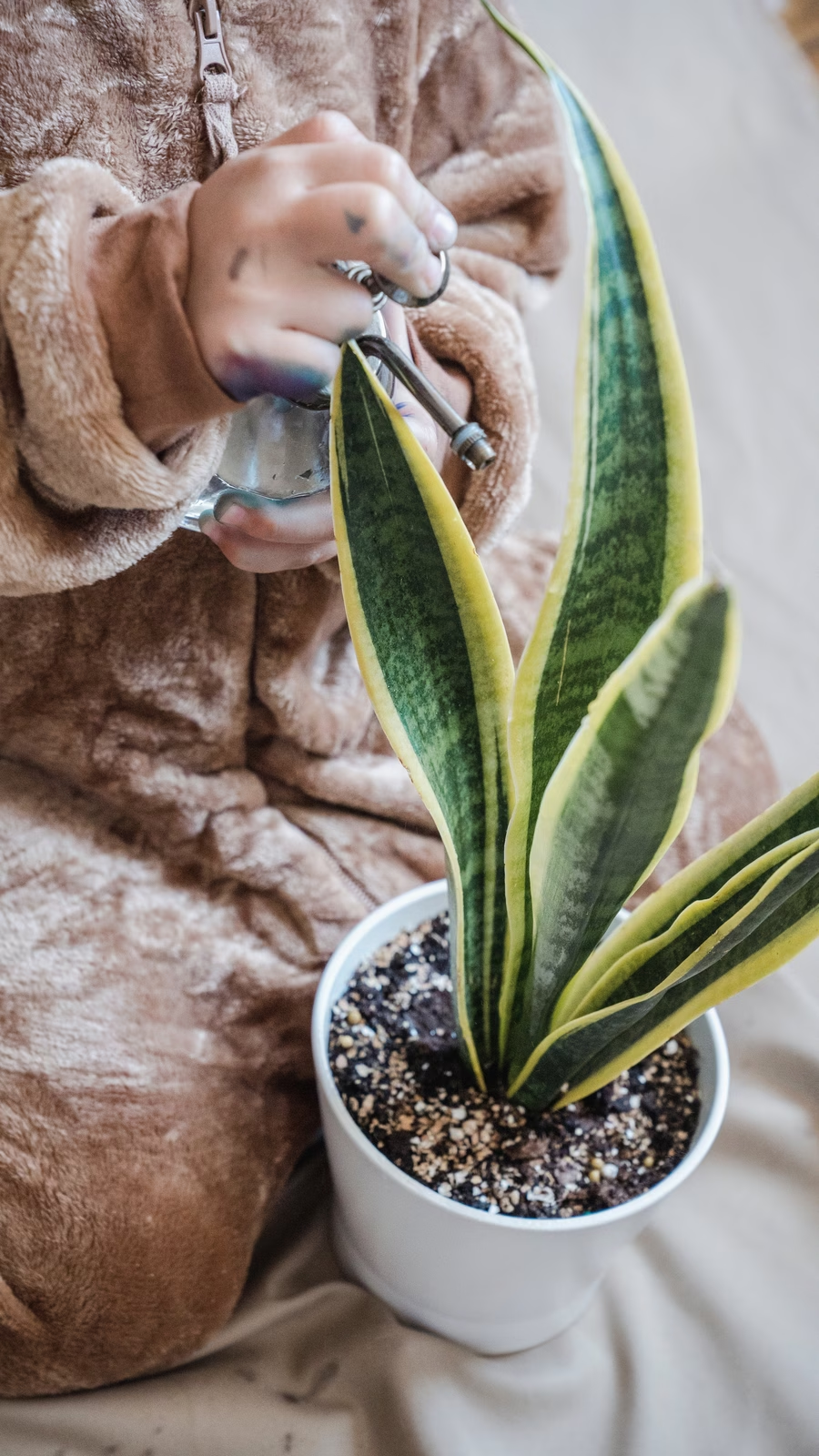
1. Snake Plant (“The Survivor”)
- Real Talk: Mine once lived through three weeks with zero light while I was traveling—came back dusty but somehow greener.
- Care Hack: Forget to water? It prefers neglect. If you remember once a month, you’re doing fine.
- Unexpected Twist: It quietly multiplies after 18–24 months if you ignore it just enough (I call this “tough love propagation”).
2. Peace Lily (“The Drama Queen”)
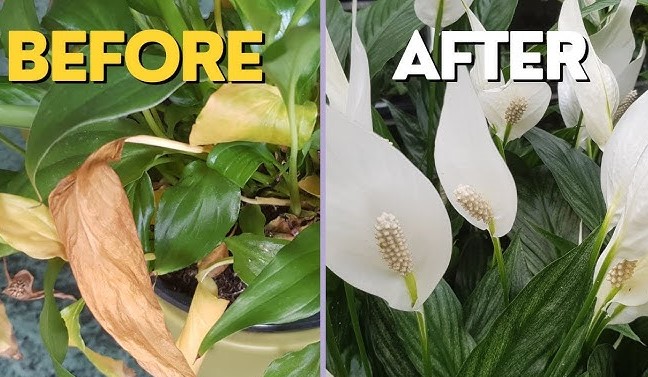
- Heads Up: You’ll know when it needs water—it flops dramatically, then perks right back up like nothing happened.
- Lesson Learned: If you’ve got pets or toddlers, skip this one (my cousin learned the hard way after her cat got too curious).
- Sensory Detail: The blooms actually smell faintly sweet if you get close—something few guides mention.
3. Pothos (“The Forgiving Friend”)
- Reality Check: My first pothos survived both cold drafts and a summer heatwave by an East-facing window.
- Cool Trick: Stick a cutting in a glass of tap water—a root will sprout within two weeks nine times out of ten (makes cheap gifts for friends).
4. Spider Plant (“The Comeback Kid”)
- Admit Mistakes: This one endured both drowned roots and bone-dry soil in my kitchen—bounced back every time with new baby spiders.
- Real Use Case: Pet-safe! My friend’s dog chews everything else but ignores these.
- Unconventional Approach: Hang it near where you forget about plants—the dangly babies remind you it doesn’t hold grudges.
5. ZZ Plant (“Set-It-and-Nearly Forget-It”)
- True Confession: I lost mine behind an armchair for six months; it didn’t die—it looked better. Go figure.
- Practicality Test: Tolerates apartments with barely any sun—put one near your work desk and see how indestructible it really is.
How Do They Actually Work? Debunking the Marketing
Most blog posts will toss around “NASA study” like plants are mini Roombas for air pollution—that’s only half-right. Yes, research from NASA shows certain plants absorb volatile organic compounds (VOCs), especially in sealed spaces.
What worked for me: clustering three to four medium-sized plants in rooms where paint fumes or cooked-on odors built up made breathing noticeably easier over several months—not overnight miracles, but incremental improvements.
Here’s what most people don’t know: The psychological boost is at least as powerful as any chemical benefit. After bad days at work, watering my spider plant feels like dialing myself down from red-alert mode.
True Stories From the Field
A common mistake I see is folks treating plants like décor instead of living things—set them down and forget them until they’re shriveled brown memories on Instagram.
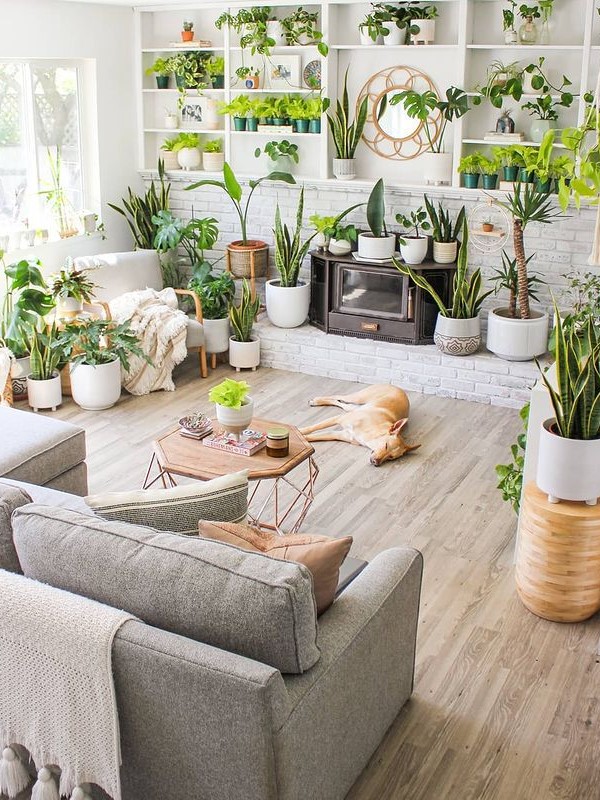
Case in point: In 2019, my buddy tried using only one small peace lily near his gaming setup—didn’t vent his windows all winter, complained he still felt congested indoors. The fix? We grouped two snake plants and a pothos near vents instead of radiators; by March he noticed less dust around his PC fans, and swore he slept deeper because the room felt fresher.
What Can Go Wrong—and What To Do About It
Let’s get honest about plant drama:
- Brown tips? Usually dry air or missed waters; put bowls of water nearby during heating season.
- Mushy yellow stems? That’s overdoing kindness with too much H2O—I learned this after literally drowning my first ZZ plant (sad times).
Pro tip: Rotate your plants every few weeks so all sides get some light—that prevents lopsided growth and keeps them vibrant all-over (learned after one pothos curled permanently toward a sunny window).
Start Simple – Set Yourself Up to Succeed
From my experience teaching beginner workshops, people succeed fastest when they:
- Choose just ONE resilient starter plant,
- Put it somewhere they already linger every day,
- Set recurring reminders—not alarms—for weekly care check-ins.
Don’t let dropping a leaf discourage you; progress isn’t pretty or perfect all the time—the real win is sticking with it past those first wilted attempts.
Your Next Steps
Here’s exactly what works if you want cleaner air and sustainable habits:
- Pick up a snake plant (usually $10–$20) and pack of all-purpose potting mix ($6–$8).
- Place it by your nightstand or main work spot so you’ll notice changes.
- Snap before/after pictures every two months—you’ll surprise yourself!
With enough patience, anyone can turn stale air into something refreshingly different—with nothing more than real-world persistence and a couple hardy houseplants cheering you on!