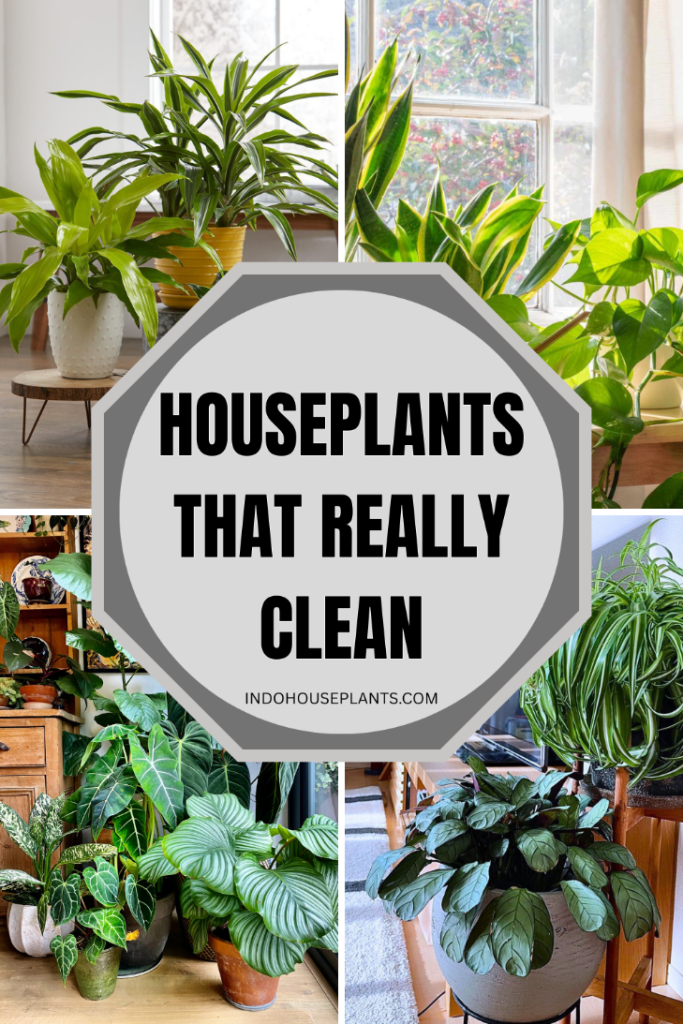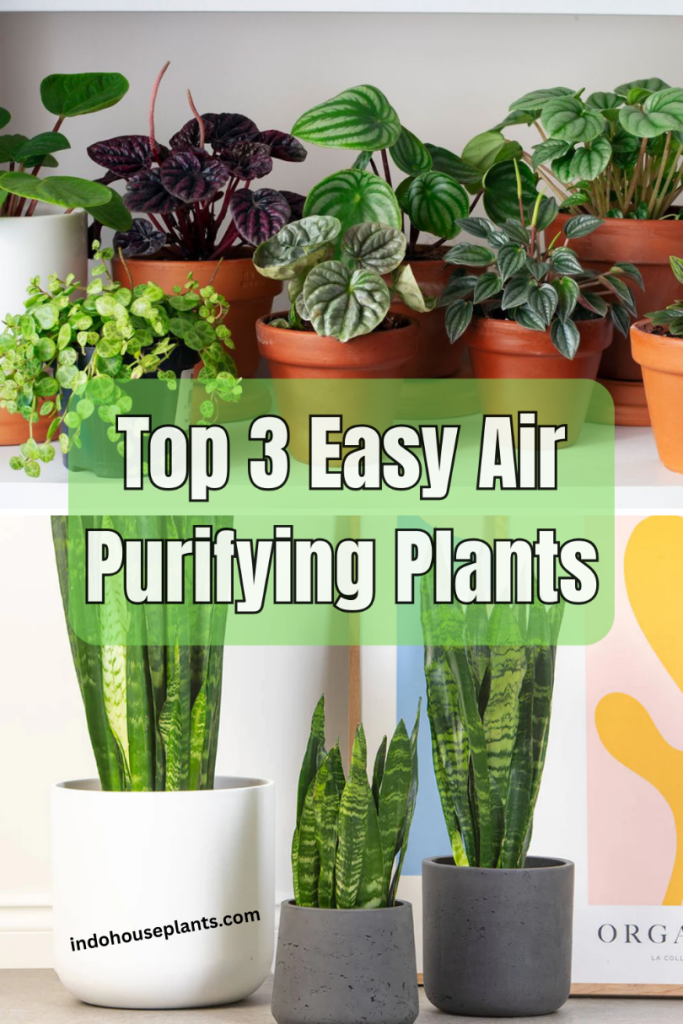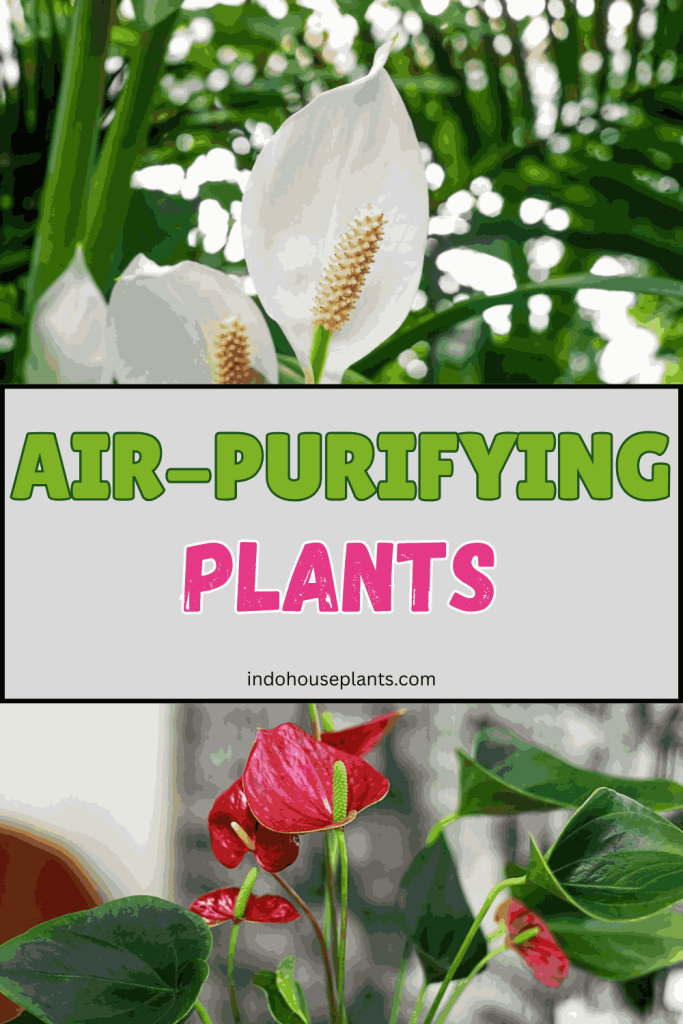
When I first dipped my toes into the world of houseplants, it was less about Instagram aesthetics and more about not waking up stuffy every morning in my city apartment. Turns out, choosing a few ultra-resilient green roommates made my place cozier—and I swear, the air felt less muggy after just a few weeks. But if you’re like me and have killed more than your fair share of ferns, trust me: some plants truly are built for the forgetful, the busy, and even the uncertain.
So let’s get real—here’s what actually happens when you bring home air-purifying plants, what most lists don’t tell you, and the shortcuts I wish someone had shared with me.
Snake Plant: Practically Indestructible (And Stylishly So)
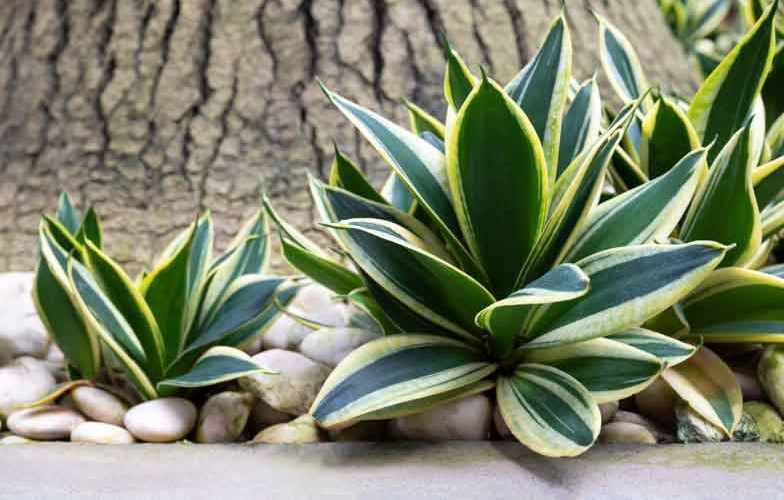
You’ve seen snake plants in lobbies, doctors’ offices, and probably your grandma’s living room. There’s a reason: short of being run over by a truck, it’s hard to kill one.
The official story is that NASA confirmed snake plants pull gross chemicals like formaldehyde and benzene out of the air (possible culprits: your new rug and that “fresh paint” smell that won’t quite leave). But here’s what most people don’t realize: they not only survive on neglect, they thrive with it.
Pro tip from my own mishaps: I once went on a 3-week vacation and returned to a snake plant that looked better than when I left. Turns out, overwatering is the most common killer.
I now treat my snake plant like a cactus: water only when the soil is bone-dry. If you’re nervous, just stick your finger down into the dirt—if it’s dry to the second knuckle, go ahead and water. If not, wait.
Bonus: They also soldier on in the dimmest corners—I’ve had one survive in a laundry room with only a flickering overhead bulb. If you’ve got odd nooks starving for life, this is your hero.
Spider Plant: The Cheerful Underdog (With Perks)
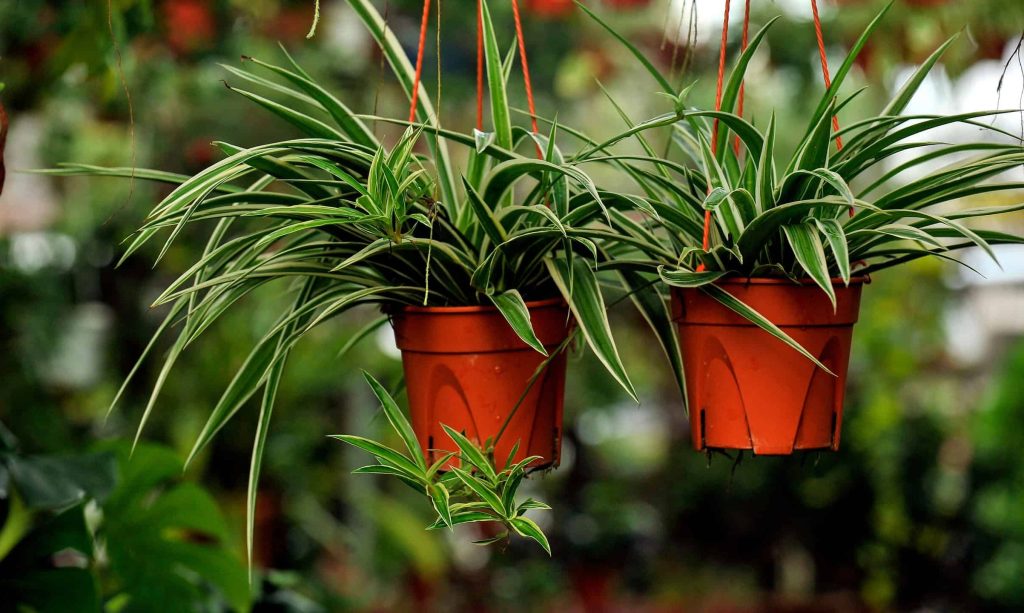
Spider plants are the unsung MVPs of the apartment world. I first picked one up because the little curly “spiderette” babies made me smile, and it didn’t take long to realize this plant was doubling as my own air filter.
Here’s the thing they don’t advertise: spider plants are particularly good at reducing airborne dust and even some odors (think: stale takeout or post-gym shoes).
A trick I learned accidentally: Place a spider plant on top of a bookcase or shelf. It loves the slightly warmer air that rises, and it’ll send those adorable baby plants trailing down like living garlands.
My coworker once overwatered hers, and it bounced right back after sitting bone-dry for a week. If you’re looking for a plant that forgives rookie mistakes, this is it.
A weird but true bonus: If you have cats, they may get a little loopy after nibbling on the leaves. It’s not dangerous, but if you’d rather avoid a feline Woodstock, hang the plant up out of reach.
Peace Lily: The Drama Queen With Hidden Talents
Peace lilies have this reputation for being a bit fussy, but in my experience, they’re just communicative. If mine gets thirsty, it dramatically droops—then pops right back to perky after a drink.
(I’ve literally forgotten to water it until it looked like wilted lettuce, only to see it bounce back in hours.) What makes them really fascinating is that they help control mold spores, which is a game-changer in bathrooms or damp kitchens.
Personal anecdote: I kept a peace lily in my old, windowless bathroom and could always tell a difference in mustiness compared to other rooms. Also, they subtly crank up the humidity during dry winters, which my skin appreciated more than any fancy humidifier.
But here’s what most lists skip: They are toxic to pets if eaten—so unless you’re sure your curious dog or cat won’t snack on anything green, you might want to opt for another plant, or keep this one somewhere off-limits.
Obstacle Overload? Here Are Real-World Solutions
Most people overthink watering schedules and sunlight, but the reality is life is messy and routines slip. Here’s what I’ve learned (sometimes the hard way):
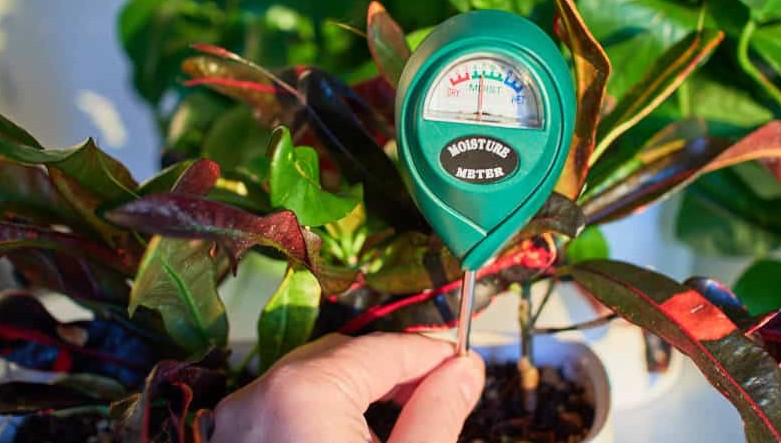
- For forgetful waterers: Get yourself a $1 moisture meter, or just stick to plants like snake and spider that are grateful for benign neglect. I won’t pretend to water every Sunday, but my phone’s reminder has saved a dried-out plant more than once.
- For dim, city apartments: I used to believe “no light, no plants.” Not true! Many offices run solely on fluorescent lights, and these three plants hardly notice the difference. For the truly dark corners, cheap LED grow bulbs ($10 online) can be an absolute game-changer.
- Pet owners: Spider plants are your safest bet. Pro tip: If cats won’t leave them alone, hang them or choose wall planters. I learned early on that ignoring this tip leads to a lot of chewed leaves and a very goofy cat.
What Happens Next (That Nobody Tells You)
When you bring home your first plant, you’re not just getting cleaner air—you’re accidentally discovering a new hobby.
I started with one snake plant and, before long, found myself noticing the texture of new leaves, or seeing how the sunlight made my apartment feel different each season.
A lot of people tell me they actually sleep better or have fewer morning headaches once plants settle in and do their thing. It’s not scientifically bulletproof, but if it makes your home feel better, that’s enough.
Ready to Begin? Here’s Your Cheat Sheet
- Pick one plant to start (seriously, don’t overload yourself).
- Find its happy place: Ideally, somewhere with gentle morning light or at least not pitch-black. If you overthink it, you’ll hesitate—just pick a spot you see often so you’ll remember it’s there.
- Water only when dry: Snake and spider plants won’t complain if you wait. Peace lilies will droop dramatically, then forgive you.
- Use a basic pot with a drainage hole. Pretty planters are great, but root rot never is.
- After a couple weeks, check in with yourself: Does the space feel less stale? Is the plant growing? That’s progress.
If you’re hooked after the first one, experiment. Swap the location. Try propagating a spider plantlet (they’re the easiest “free plant” you’ll ever get).
There’s this quiet satisfaction in watching a new leaf unravel, and if my former black-thumb self can keep these alive, you absolutely can.
Don’t overcomplicate air-purifying plants. Pick one, give it a try, and let it work its invisible magic. You’ll be surprised how much life—and literal fresh air—one humble plant can bring. And if it flops? Hey, you’ve learned, and that’s half the fun.