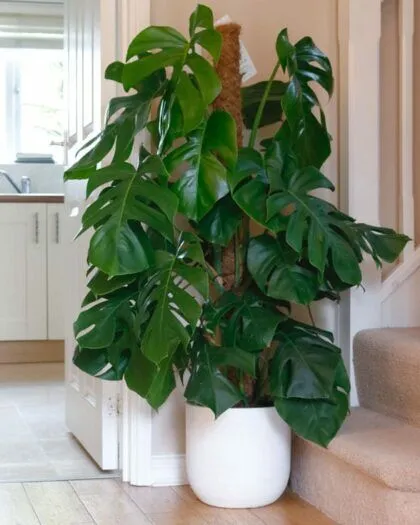
The first time I brought home a shiny, heart-shaped “pothos” from the garden center, I had no idea it could actually send my cat to the vet. The label said “easy care, air purifier!”—not a word about it being toxic. That’s when I realized: plant shopping isn’t always straightforward if you have pets or kids at home.
After a couple of close calls and late-night Googling, I’ve finally figured out a simple way to avoid those stressful mistakes—while still enjoying my love for new plants.
My Simple, No-Stress Plant Safety Checklist
1. Always Find the Real Name
Don’t trust just the name on the tag. “Lily” might mean anything from a safe peace lily (which is actually mildly toxic) to the truly dangerous Easter lily.
Look for the scientific (Latin) name. If it’s not on the label, ask an employee or use a free plant ID app like iNaturalist or PictureThis—just snap a photo.
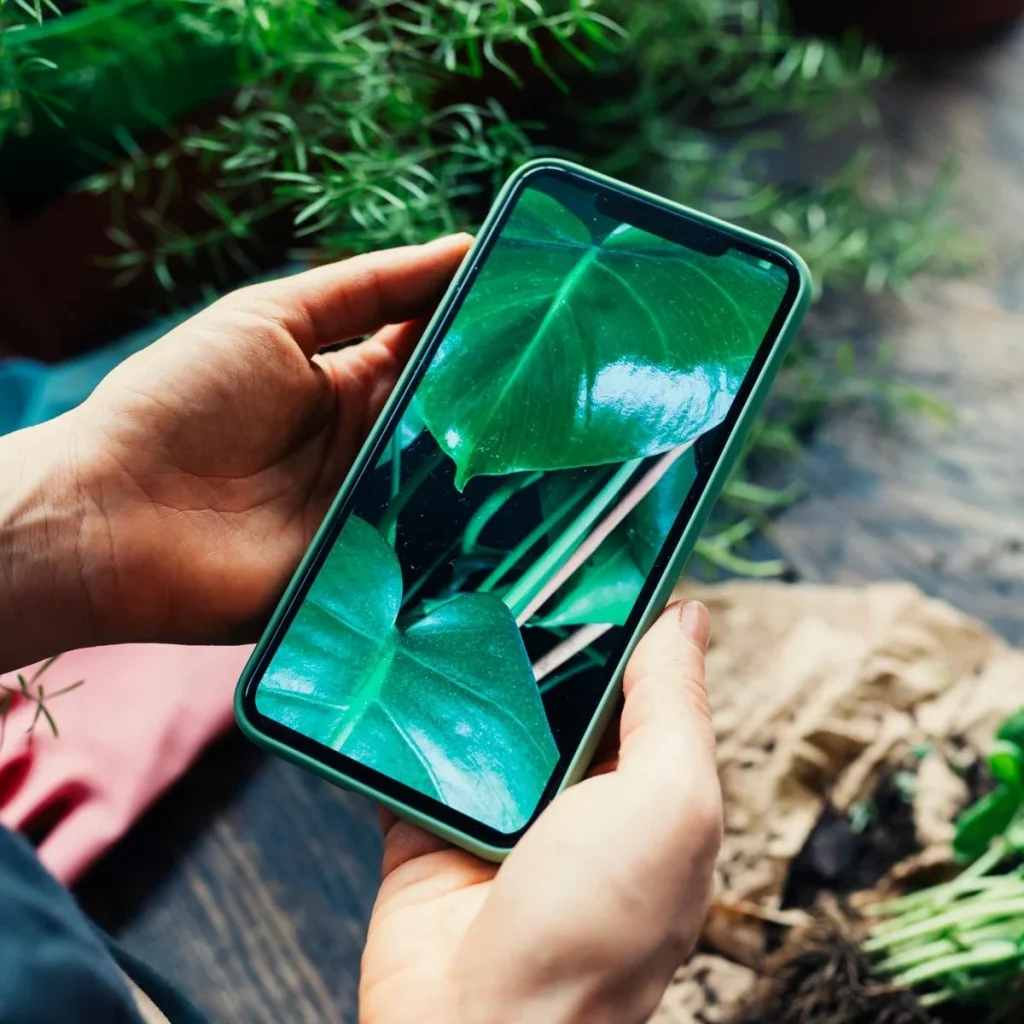
If no one can tell you what the plant actually is, walk away. No ID, no buy.
2. Double-Check Safety Before You Buy
Before putting anything in your cart, look it up on the ASPCA’s Toxic and Non-Toxic Plant List. It’s much more reliable than random advice online. Search by the scientific name for best results.
If you aren’t sure, or if the info is confusing, don’t risk it—there are plenty of beautiful safe plants out there.
Tip: It might feel awkward to stand in the store googling, but it only takes a minute and can save a lot of worry later.
3. Keep a Handy List of “Safe Plants”
Start a list on your phone of plants you know are safe for your household. This way, you can shop faster and skip the research for those tried-and-true options.
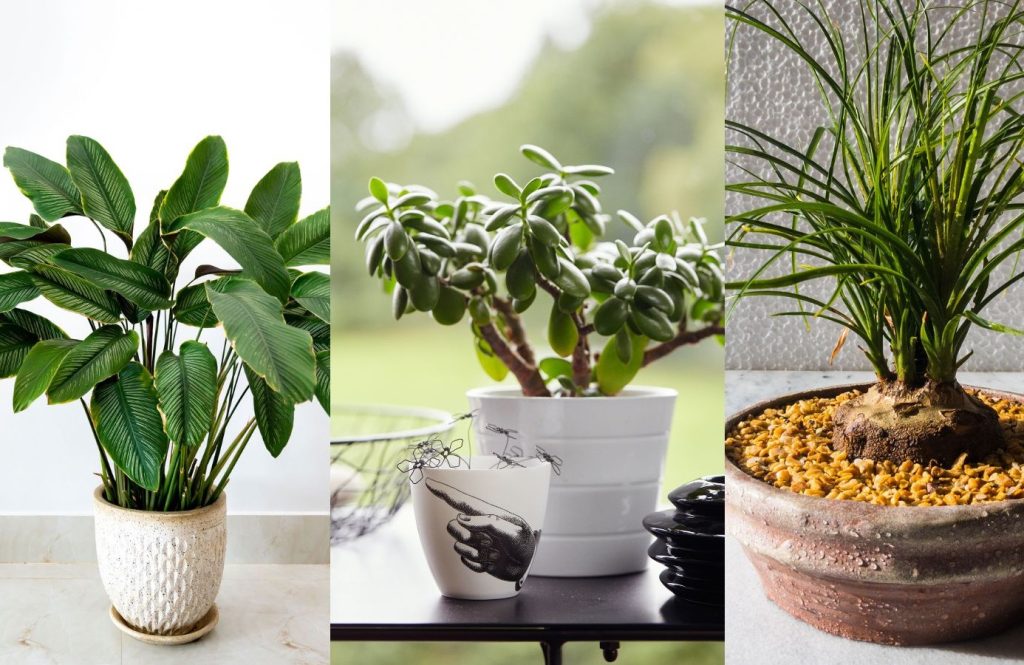
Here’s a quick starter list of popular, pet- and kid-safe houseplants:
- Spider plant (Chlorophytum comosum)
- Boston fern (Nephrolepis exaltata)
- Calathea (Calathea species)
- Parlor palm (Chamaedorea elegans)
- Areca palm (Dypsis lutescens)
- Baby rubber plant (Peperomia obtusifolia)
- African violet (Saintpaulia)
If you find a plant you love and confirm it’s safe, add it to your list!
4. Be Cautious About Extras
Sometimes it’s not the plant, but what comes with it that’s a problem—like fertilizer, decorative moss, or pesticides in the soil. When you get home, rinse the plant leaves and, if you’re very cautious, repot it in fresh, pet-safe soil.
5. Don’t Be Swayed by Sales Talk
Sometimes staff might shrug and say, “My dog eats those all the time!” That doesn’t mean it’s safe for yours. Only trust information you can verify from a reliable source.
6. When in Doubt—Pause and Research
If you’re ever unsure, just take a photo and leave the plant in the store. Do more research at home. You’ll often thank yourself later (and you’ll avoid impulse buys!).
Real-Life Examples
- Aloe vera: Awesome for sunburn, but toxic if your cat or dog chews it.
- Jade plant: Supposed to bring good luck, but it’s bad luck for pets—keep it out of reach.
- Dracaena, sago palm, dieffenbachia: Super common and super toxic. Always double-check these!
- Boston fern, spider plant: Beautiful and totally safe even if your cat nibbles.
Crowdsourcing works: If you’re stuck, plant Facebook groups or Reddit’s r/houseplants love helping ID mystery plants.
Quick Reminder Checklist (Save or screenshot!):
- Find the plant’s scientific name.
- Check it on the ASPCA plant list.
- Use your safe plant list for easy shopping.
- No ID = no purchase. If unsure, wait and research.
- Clean or repot new plants at home.
Honestly, no one gets this perfect every time. If you’re trying to keep your home safe, you’re already doing a great job. If you ever want help ID-ing a plant or need a longer safe list, just ask plant-loving friends or online groups—there’s a whole community ready to help you.
You deserve a home that’s lush, happy, and safe for everyone—paws, hands, and all. Happy (safe) plant shopping!