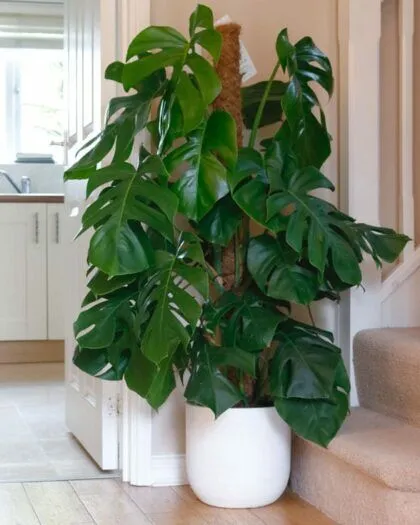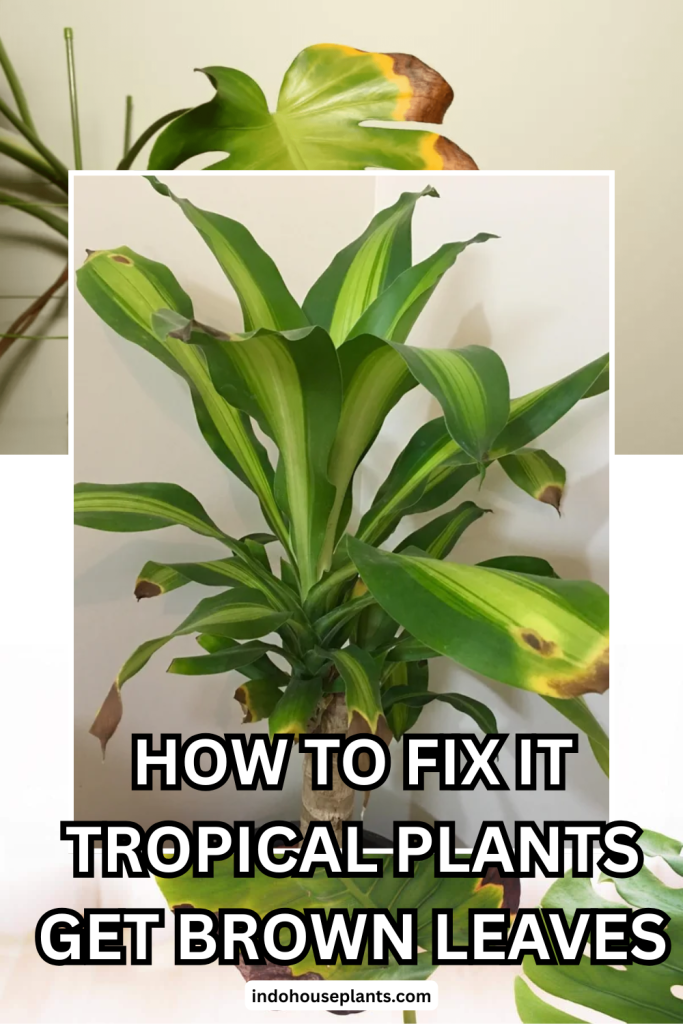
There’s nothing like that sinking feeling when you spot brown or yellow leaves on your beloved tropicals—almost like your plant is quietly trying to tell you, “Hey, something’s off here.” I’ve been there more times than I care to admit, especially when I first started collecting houseplants and thought following the one-size-fits-all advice was enough. Spoiler: it rarely is.
Here’s the deal—those brown tips and yellow blotches are your plant’s SOS, but figuring out what it’s asking for takes a bit of detective work. Let me walk you through what I’ve learned, sometimes the hard way, about why this happens and what actually gets results.
Water: The Source of Both Life and Trouble
If you ask ten plant parents, “How often do you water?” you’ll get ten different answers, none of which are really universal. Early on, I religiously watered every Saturday. That was the fastest way I learned that most tropicals—and especially finicky ones like Calathea—could not care less about my schedule.
What You Actually Need to Know About Watering
- Yellow leaves, especially on the lower half: That’s your plant’s way of saying, “I’m sitting in wet socks.” Roots suffocate when soil stays soggy.
- Brown, crispy edges or curling: This usually means your plant is thirsty or the air is too dry, but here’s the twist: sometimes it’s from salts building up if you’re using tap water. (Filtered or rainwater can work wonders.)
What helped me: I started sticking a chopstick (or my finger, let’s be real) into the soil to check for moisture before watering. Game changer. If it comes out dry, that’s your cue. If it’s faintly damp, walk away for a day or two.
And don’t underestimate the importance of drainage holes—if you’ve ever tried to revive a plant from a pot with no drainage, you know it’s like trying to swim in jeans.
Little-known trick: When I traveled for two weeks, I clustered my plants in the shower with a damp towel underneath, leaving the curtain open for indirect light. I came home to zero brown tips, which just proves how much humidity (and a little teamwork) can do.
Humidity Isn’t Optional (Even If You Wish It Were)
Most advice says “mist your plant!” but honestly, that only makes a difference for about five minutes. What your plant really wants is consistent moisture in the air—a daily fog, if you will.
Notice brown edges on new, otherwise healthy leaves? That’s humidity demanding your attention.
Here’s my not-so-secret hack: I invested in a $15 digital hygrometer. Before that, I assumed my living room was tropical enough because I felt fine… but turns out, my air was drier than a bag of flour in January. Once I set up a basic humidifier and grouped my plants, the browning all but disappeared.
Tip most people skip: Place your humidity-demanding plants (like ferns and Calatheas) in the bathroom if there’s a window—it’s basically free spa treatment, and they absolutely love the steam.
Light: Quality Over Quantity
Almost every issue I’ve ever had with yellowing leaves tied back to light—not just how much, but what kind. The classic mistake is assuming “lots of light” means direct sun, but tropicals are raised under a green canopy, not a spotlight.
When to Suspect Light Issues:
- Plant seems to “stretch,” with newer leaves popping up smaller than normal.
- Leaves pale or yellow, especially far from the window.
Here’s what most people overlook: southern and western windows will scorch some leaves come summer, but an east-facing windowsill is absolute gold for most tropicals.
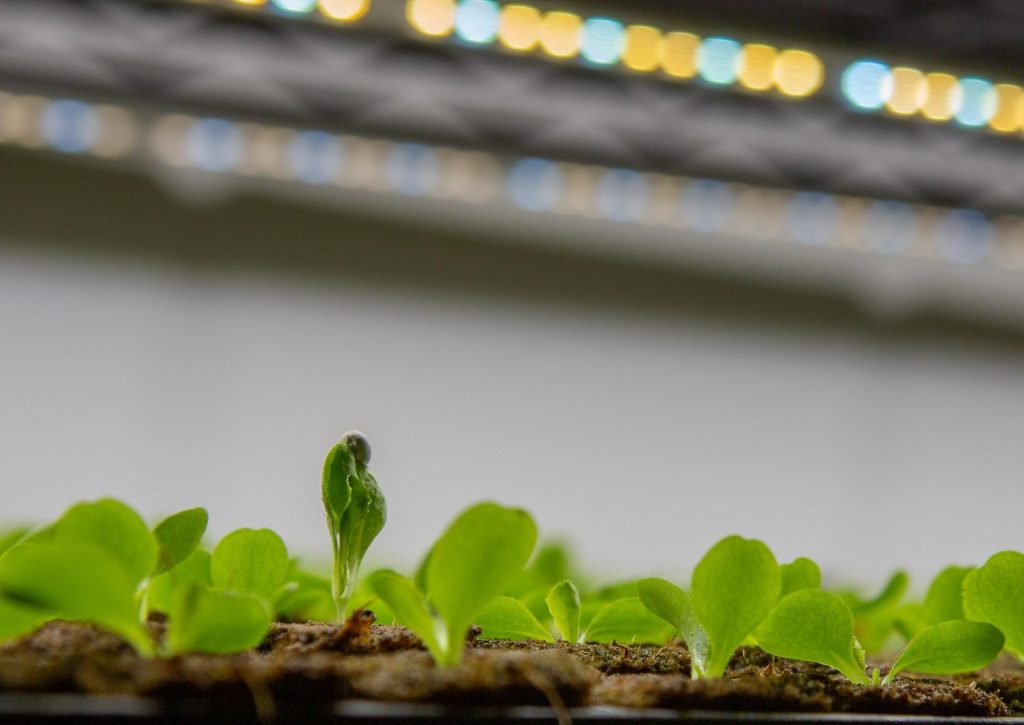
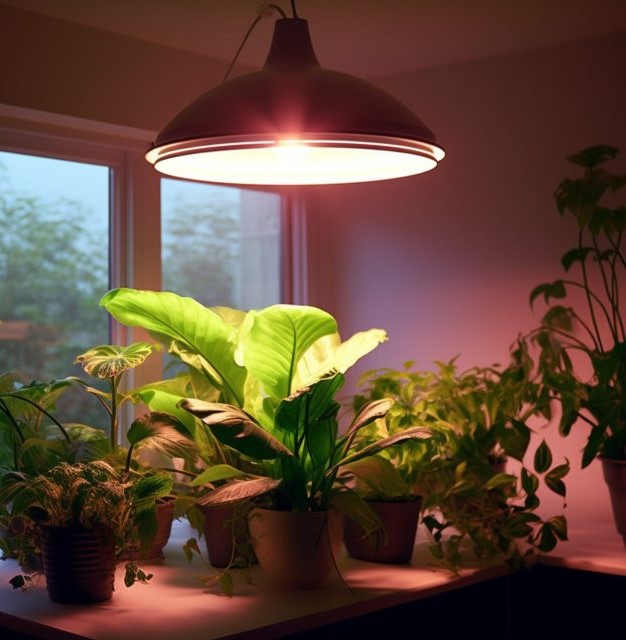
What’s worked for me: Investing in an affordable LED grow light solved winter issues. I put my monsteras and philodendrons on a 12-hour timer—no more guessing, and no more yellow leaves, even during the grayest weeks.
Unconventional approach: For a plant that just won’t thrive, I rotate it 90 degrees every two weeks. This helps it grow evenly and tells me quickly if one side is getting too much or too little light.
The Traps Nobody Warns You About
- Fertilizer overload: I once zapped a prized pothos by doubling up on liquid fertilizer, thinking more food = faster growth. Nope! Less is definitely more. When in doubt, halve the recommended dose and never feed a stressed plant.
- Hard tap water: Calatheas, in particular, will throw a fit if there’s too much chlorine or fluoride in your water. Collecting rainwater (or dechlorinating tap water overnight) made a visible difference for me.
Root rot is the sneakiest villain: If you notice leaves yellowing all over at once, gently unpot the plant and check the roots. Mushy, smelly roots mean it’s time for emergency surgery—cut off the rot, repot in airy mix, and cross your fingers. Honestly, every plant parent faces root rot at least once. It’s a rite of passage.
The Golden Rule: Test and Observe
If you tweak something—watering schedule, humidity, light—give your plant at least two weeks to show signs of improvement. Don’t panic and change everything at once. The first new leaf after a fix is the real sign of whether you’re on track. I actually keep a sticky note with dates and changes to remind myself to be patient.
Still stumped? Sometimes, a single yellow or brown leaf is just natural old age. If new growth looks healthy, you’re doing just fine.
What I Wish Someone Had Told Me Sooner
- Every apartment, every windowsill, and every plant is different—trial and error is part of the fun.
- Sometimes the best plant care is a hands-off approach and a willingness to experiment.
- There are few feelings more satisfying than seeing shiny new leaves after a tough patch.
Try This:
- Pick up a cheap digital moisture meter or hygrometer to actually see what’s happening in your air and soil.
- Don’t be afraid to trim off unsightly leaves—your plant puts energy into new growth, not repairing the old.
- Set aside “observation days”—just ten minutes every Sunday to check on new growth, soil, and light, rather than reacting out of panic.
- Enjoy the process! Even if things go wrong, you’re learning—and every plant parent has a graveyard somewhere, trust me.
Breathe easy: Yellow and brown leaves aren’t the end, just a gentle nudge to tweak your care routine. Stay curious, keep experimenting, and celebrate even the smallest signs of progress (I still get excited over every unfurling Monstera leaf). Your plants will thank you—with a riot of healthy green.