When I first got into indoor plants, I was skeptical about their air-purifying reputation. After all, how much can a little pot actually clean the air? But over time, living with a few tried-and-true varieties completely shifted my perspective. These plants don’t just sit there looking pretty—they actually make your home feel fresher and more alive in a way you can sense, even if you can’t measure the exact toxin levels.
Let me share the plants that have proven themselves in my own spaces (and helped friends too), complete with some insider tips you won’t find in every article.
The Real Reason Houseplants Make a Difference
Indoor air isn’t as innocent as it feels. Off-gassing from furniture, cleaning products, even new carpet can fill the air with volatile organic compounds (VOCs) like formaldehyde, benzene, and trichloroethylene. These sneaky chemicals can subtly sap your energy, trigger headaches, or aggravate allergies without you even realizing why.
Plants like snake plants, spider plants, and peace lilies don’t just look cool—they actively break down these toxins through their leaves and root systems. NASA’s famous Clean Air study put these on the map for filtering indoor air, but beyond the science, it’s about how a plant can physically make a room breathe easier. Plus, adding greenery taps into a deep part of our psyche that relaxes us and boosts mood—a two-for-one wellness gift.
My Top Air-Purifying Plants, With a Twist
- Snake Plant (Sansevieria trifasciata)
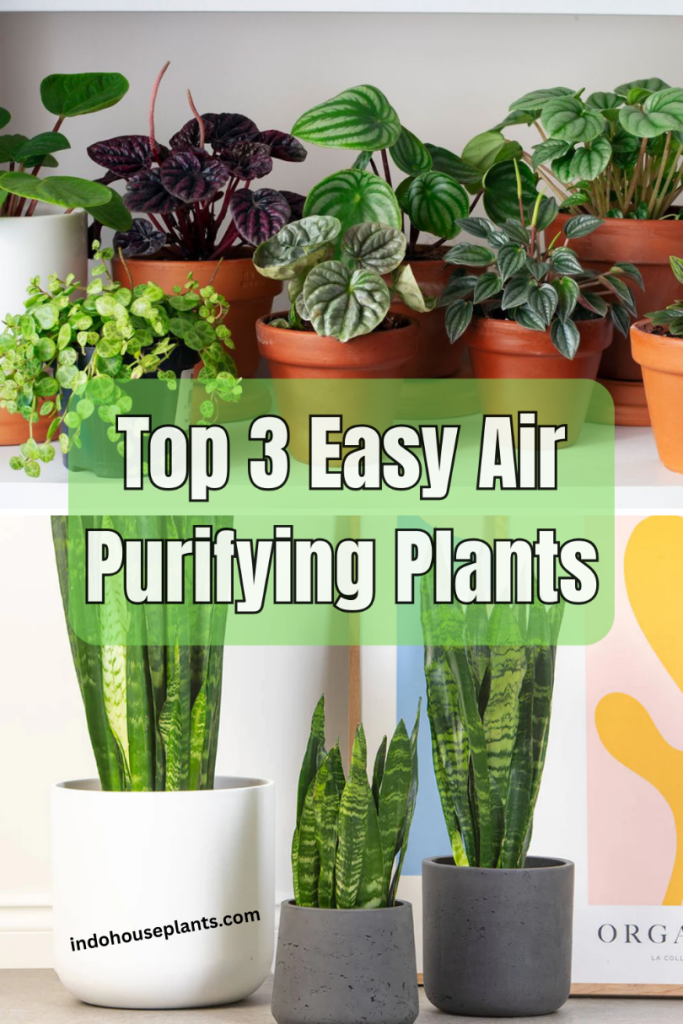
When I moved into a basement bedroom with zero natural light, I was desperate for something that wouldn’t die instantly. The snake plant was a revelation. It thrives in really low light, and the fact it releases oxygen at night means it’s perfect for the bedroom. I barely water it—maybe once a month—and it still amazes me by growing new leaves. Pro tip: Your snake plant will throw out new shoots in clusters, so you can split it and share with friends or grow a mini jungle. - Spider Plant (Chlorophytum comosum)
What’s magical about spider plants isn’t just their toxin-fighting prowess but their delightful “babies.” After about a month of placing mine in bright, indirect light hanging in the kitchen, those tiny offshoots started dangling on long stems like mini green spiders. Propagating these babies is ridiculously easy—just pop them in water and watch roots grow. It’s a fantastic way to multiply plants without spending a dime, and it’s a hit with kids and curious visitors. - Peace Lily (Spathiphyllum spp.)
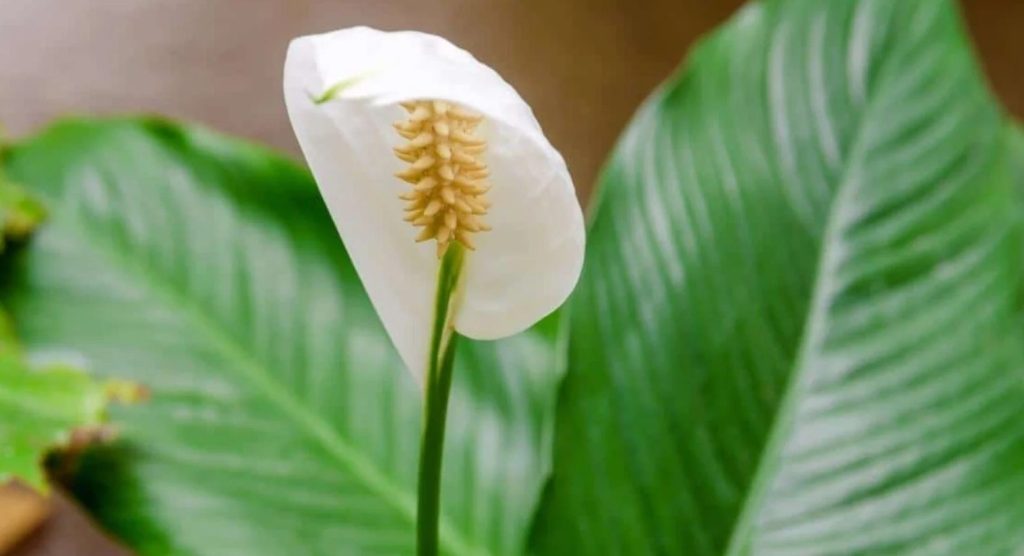
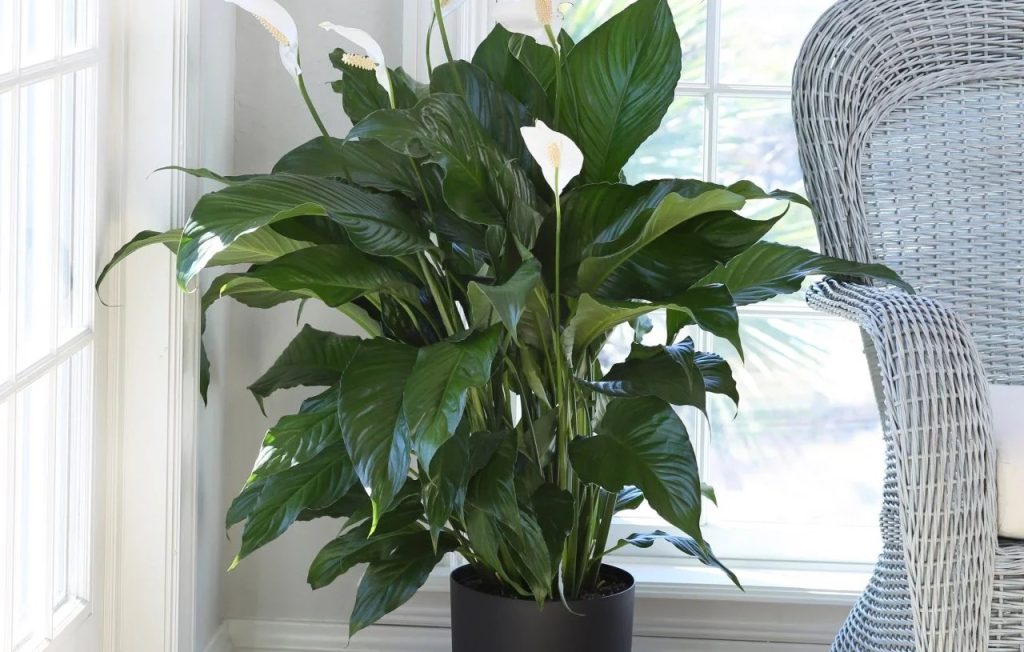
I’ll be honest—peace lilies have a bit of a diva reputation because they’re sensitive to overwatering and pet toxicity. But if you want elegant white blooms that make a room feel peaceful and airy, it’s worth the slightly extra care. Just keep an eye if you have cats or dogs—they can mistakenly nibble on these.
Matching Plants to Your Life (What Most Guides Miss)
Most people focus on light and watering, but here’s what I’ve learned from trial and error:
- Texture and Vibe: A snake plant’s upright, architectural form adds a sleek, modern feel. Spider plants bring a lively, slightly wild vibe. Think about what mood you want in the room, not just the plant’s science.
- Movement: Some plants respond visibly to your care. Spider plants let you see their offshoots multiplying, which can be addictive. Peace lilies will droop dramatically if thirsty—think of them like your green “canary in the coal mine” alert system.
- Size and Growth Rate: Spider plants can get huge in the right spot, turning one hanging basket into a full canopy. Snake plants grow slowly and stay compact, which is great for tight shelves or desks.
Real People, Real Experiences
- Emma lives in a tiny NYC apartment with no direct sunlight. She swears by her snake plant propped on a floating shelf by the bedside. She noticed fewer headaches and felt more rested after a few weeks.
- Carlos turned his bright kitchen into a jungle oasis by hanging a spider plant near the window. Watching the baby plants grow has become a weekend hobby for him and his kids.
- Sophie wanted a splash of elegance for her living room and chose a peace lily. Friends always comment on how inviting her home feels.
Common Pitfalls and How to Beat Them
- Overwatering: The number one killer of houseplants. Snake plants are forgiving, but peace lilies often show yellow leaves if they get soggy. Use soil moisture as your indicator, not a schedule.
- Ignoring Light Needs: I once tried a peace lily in a closet-like corner and it sulked for months. Moving it to a nearby window made a world of difference.
- Pet Safety: If you have furry friends, research each plant’s toxicity. Snake and spider plants are generally safer but keep an eye out.
How to Start Your Own Little Plant Project
- Pick a plant that fits your light and lifestyle (and mood!).
- Support local nurseries or trusted online sellers like The Sill.
- Find a spot you naturally hang out in—desk, nightstand, kitchen counter.
- Set a casual reminder for watering until it becomes second nature.
- Celebrate small victories: a new leaf unfolding, a baby spider plant, a fresh bloom.
Bringing plants indoors changed how I interact with my home. It’s like inviting a quiet, leafy friend that not only makes the air cleaner but also makes the whole space feel like it breathes with you.