When I first dipped my toes into autumn bulb planting, I was surprised by how a few simple steps could transform my drab late-winter garden into a vibrant wake-up call of color. It felt a bit like magic—a quiet investment in the soil that flowers would thank me for months later. If you’re feeling a little hesitant about when and how to plant bulbs, I get it. But here’s the truth from someone who’s been there: getting the timing right isn’t just a nice-to-have, it’s the secret sauce for a spring garden that makes you smile every morning.
Why Timing Makes or Breaks Your Bulb’s Future
Most folks know to plant before frost, but here’s the nugget people rarely share: the exact window isn’t just about avoiding frozen earth. It’s about giving those bulbs a good long soak in cool (not frozen) soil so their roots can stretch out and store energy.
I’ve learned that planting about 6-8 weeks ahead of your region’s average first hard frost is crucial — this means your bulbs are awake underground, quietly gearing up to burst through the soil as soon as the sun warms it up.
For example, I plant tulips in early October here (zone 6b), which is just about 7 weeks before frost hits. That stretch of cool soil creates a perfect cozy bath for roots to establish. If you wait until the last minute, you’ll often get weak, stunted blooms—or worse, none at all.
How to Nail Your Bulb Planting Like a Pro
- Pinpoint Your First Frost Date Like a Meteorologist
Don’t rely on guesswork. I like to check local university ag extension sites or a reliable weather app with historical data. Setting a calendar reminder 6-8 weeks before frost helps me remember to dig in. - Select Bulbs That Feel Like a Promise
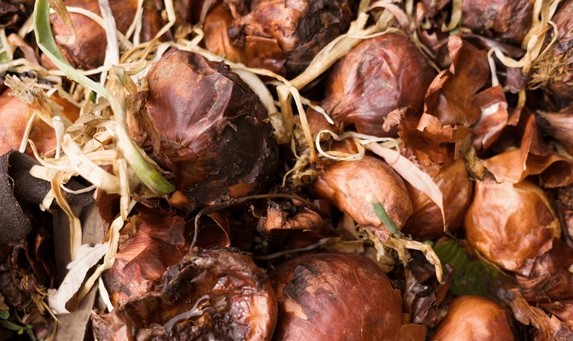
When you pick up bulbs, hold them in your hand. They should feel dense, solid, and plump—like they’re packed with life. One year, I mistakenly bought some soft bulbs on sale, and none bloomed. Lesson learned: quality bulbs are your garden’s capital investment.
- Find the Brightest, Best Spot
Spring bulbs love sun as much as you do. If your garden has shady corners, try planting crocuses or snowdrops there—they tolerate less light better. Drainage is key too. If you notice soggy soil after rain, mix in some grit or plant on a slight mound. - Enhance the Soil With Care
I’m a big fan of adding homemade compost or well-rotted leaf mold. It not only feeds the bulbs but also helps the soil retain moisture without becoming waterlogged. I once added too much fresh manure (classic rookie move), and it burned my bulbs—so be cautious with amendments. - Depth and Direction Matter More Than You Think
I always measure the bulb and multiply by two or three for depth—shallow planting leads to frost damage, while planting too deep can delay flowering. And yes, plant bulbs pointy side up! One embarrassing year I planted a batch upside-down and got a few weird, floppy shoots that didn’t bloom well.
- Space Them Out… Generously
I used to cram bulbs close together in hopes of a full effect, but they actually perform better with some breathing room. Crowded bulbs compete for nutrients and sometimes rot. About 3-6 inches apart works great depending on the bulb size. - Water Well, But Don’t Overdo It
After planting, I soak the bed gently to help bulbs settle. But excess water is the enemy; soggy soil invites rot. One trick I use is to water early in the day so the soil dries before nightfall. - Mulch Is Your Winter Blanket
A 2-3 inch layer of mulch can be a game changer, especially in regions with erratic freezes and thaws. It protects bulbs from temperature shocks and keeps moisture stable. I like to use shredded leaves or pine needles.
What Most New Planters Don’t Realize
Here’s the kicker—bulbs rely on something called vernalization, a cold spell to “flip the switch” for growth and flowering. If you don’t give them that chill window by planting early enough, they might just sulk underground all spring.
This happens more than you’d think, especially to tulips and hyacinths in warmer climates. For those in warmer zones, you may need to pre-chill your bulbs in the refrigerator before planting.
Real-Life Wins (and Lessons) from My Garden
- A few springs ago, I planted a mix of daffodils and tulips late because of a busy schedule. Right away, fewer tulips showed up in the spring. I realized: timing overrides everything else.
- My neighbor, new to gardening, planted crocuses in pots on her balcony. She coated the pots with wire mesh to keep squirrels at bay, a smart move since squirrels love digging up bulbs. Come April, the purple crocuses were a stunning surprise after a cold winter.
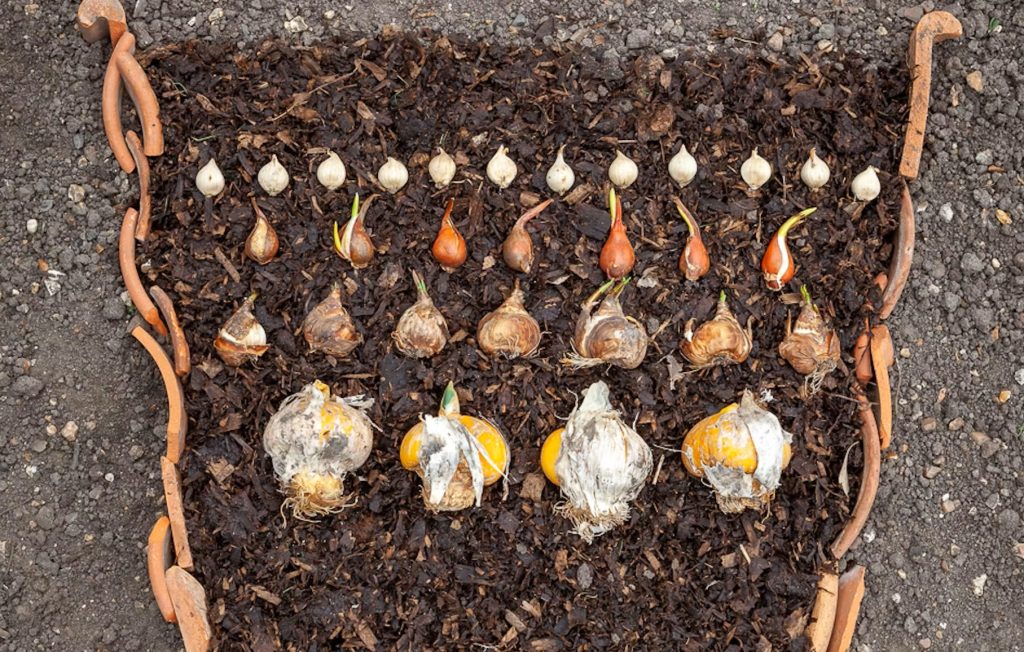
- Last autumn, I experimented with “layering” bulbs: I planted tulips on top, daffodils beneath, and crocuses at the very bottom of the same hole for a staggered bloom effect. It added depth and drama to my garden’s early season look.
Troubleshooting Like a Seasoned Planter
- No sprouts? Probably planted too late, or in wet soil. Toss in some grit for drainage next time.
- Animals digging bulbs? Wire mesh cages or planting less palatable bulbs like daffodils can thwart them.
- Yellowing leaves too soon? It’s natural after flowering, but early yellowing can hint at overwatering or fungal issues.
Final Encouragement
No one’s garden is perfect right out of the gate, but autumn bulb planting is a forgiving and rewarding venture. It’s one of those gratifying acts of faith in nature’s cycle—where your patience and care bloom into real joy.
Go ahead, grab some bulbs this fall, mark that frost date in your calendar, and make your soil cozy. Months from now, your neighborhood will be talking about your garden’s early whispers of spring—and you’ll know the secret behind those bright, happy blooms.