If you want a snake plant and you’re searching for the usual “where to buy” rundown—stop right there. Let’s skip the fluff and get real about how to actually land a great snake plant, not just the first limp specimen hiding in the garden center.
Here’s what matters: Most advice will tell you “just go to any nursery” or click ‘Buy’ online. The reality is, that’s how people end up stuck with overpriced, half-rotten plants. If I sound a little blunt, it’s because after nearly two decades buying (and sometimes killing) houseplants, the so-called “easy wins” are what trick folks into thinking all plants are created equal. They aren’t—and most sellers count on you not knowing the difference.
Why Are Snake Plants Actually Worth Your Time? (Contrary to All That Hype)
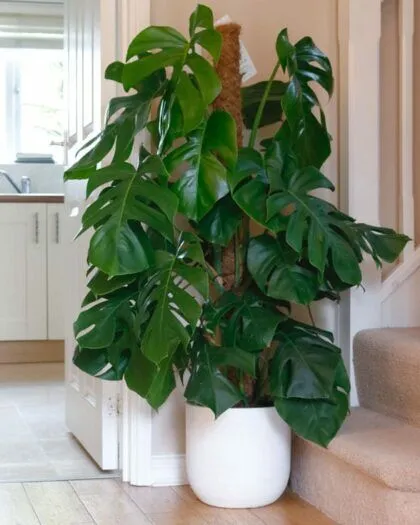
Confession from someone who likes a challenge: I used to dismiss snake plants as bland, lazy-person plants. It took me years to figure out this is exactly what makes them brilliant—not because you can neglect them, but because when you stop overthinking, they reward you more. Here’s something most blogs never say—if your goal is dramatic decor or rare foliage, your snake plant won’t win botanical beauty contests against a Monstera. But if your goal is simplicity that actually works, nothing beats Sansevieria.
My own stubborn streak tried every “harder” beginner plant before finally caving and buying my first snake plant eight years ago—a $5 clearance pot at a hardware store. Today it’s survived three moves (one literally bumped down an entire apartment building stairwell; leaves scratched but unbroken), my forgetful waterings, AND once being pelted by an overexcited Roomba. If only all life decisions were this forgiving.
Where To Buy: Why I Avoid Big Box Stores (Most of the Time)
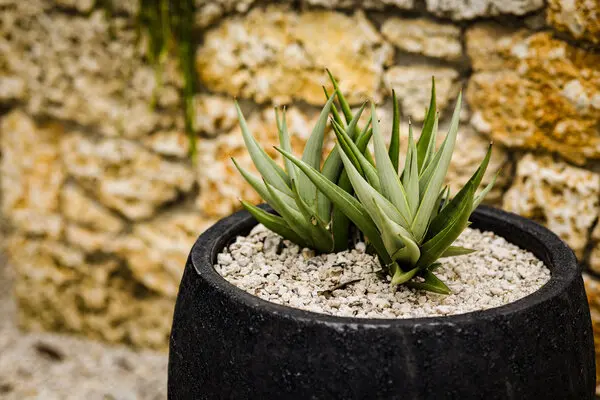
Let’s be honest: Everyone says Home Depot or Lowe’s have reliable stock. It’s true—they’re everywhere and if you enjoy plant roulette (some good ones in with a ton of rough-looking survivors), go for it! What nobody tells you is these stores often get their shipments in giant batches that sit around for weeks under harsh lights or worse—windowless aisles where fungus gnats breed.
Here’s some real-world pain: In 2022 I picked up what looked like the perfect upright snake plant at Lowe’s—leaves tall, base firm…until I got home and noticed fine webbing at the leaf axils = spider mites city. Treatment cost me almost more than the plant itself ($9 neem oil spray plus endless time picking off bugs). That day taught me: always flip the leaves over and scan for anything sticky or webbed before checkout—or just pay the extra $3 at a smaller nursery with staff who water their inventory properly.
Local Nurseries: Pay for Quality Upfront (And Get Insider Intel)
Contrarian tip: You’ll spend more upfront at an independent greenhouse—I paid $17 last spring for one in a 6-inch pot—but here’s why it matters. Real humans who care for their plants also care about return customers; if something looks sketchy or root-bound, they’ll tell you without feeling upsold (“I wouldn’t pick that one until our next shipment comes in,” Nora from Blossoms & Branches told me last May).
Plus—and this counts—the “root tug” trick everyone repeats? It only tells part of the story. At a true local shop they’ll let you tap out some soil and assess root health without fussing about messes (try doing that at Walmart).
Here’s what most people don’t know:
A little dust on leaves isn’t a dealbreaker—it just means no one over-misted and risked rot during shipment. Limp or watery bases? Walk away fast. A healthy snake plant should clang gently if you flick its sturdiest leaf; floppy parts signal mush inside.
Online Retailers Aren’t All Alike
Not all online shopping is created equally—Etsy shops run by hobbyists often post real photos instead of generic stock images like major retailers do (The Sill, Bloomscape, etc). That means surprises—for better OR worse—but I’ve scored some wild varieties (“Sansevieria masoniana Whale Fin”) only available through small-batch sellers for under $30 shipped.
Beware bargain bundles though; too-good-to-be-true deals often arrive crammed together, roots mangled beyond repair (“mystery box syndrome”—ask me about three yellowing stubs from 2021 still convalescing on my windowsill).
Pro tip: Feel out sellers with questions before purchase (“How do you pack against winter cold?”). If they reply quickly with actual methods (like insulated heat packs or paper wrapping), that’s usually worth paying extra shipping fees for bona fide healthy arrivals.
How To Spot A Plant That Won’t Turn To Mush
Forget Instagram-perfect looks; focus on simple survival signs:
- Leaves should be upright—small lean okay in young plants, but massive sags signal disease.
- Base firmness trumps top prettiness—press near soil line; any squishiness = internal rot started.
- No mysterious white fuzz anywhere—a tiny dot now becomes hundreds by next week.
- Avoid peat-heavy soil – Most mass-produced pots use spongy peat moss which suffocates roots quickly at home.
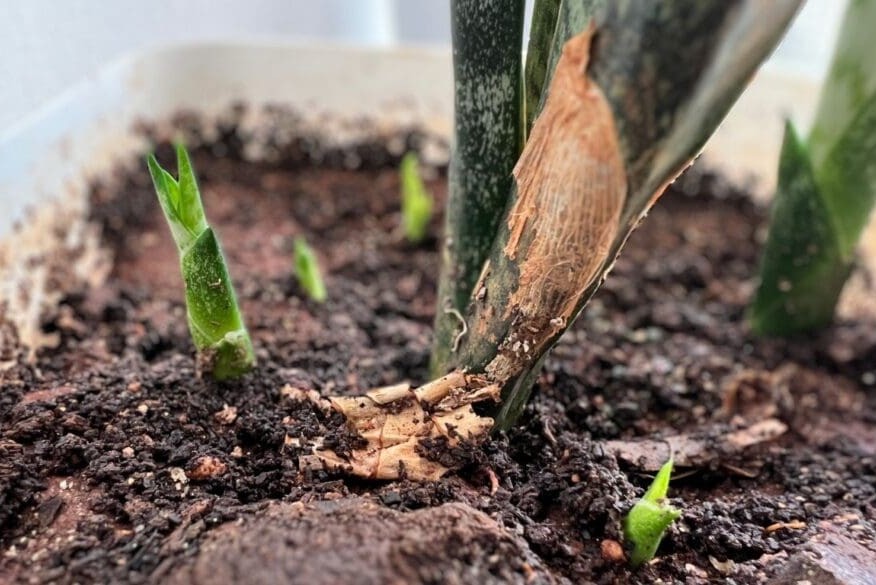
- Big secret: See tiny new growths poking up between mature leaves? Those babies mean active root systems—a better sign than any glossy top-leaf shine.
Watering Advice Nobody Shares
The golden rule isn’t “every two weeks.” Skip rote scheduling and check soil deep down with your pinky—or honestly? Use a bamboo chopstick! Jam it an inch deep into dirt. Pull it out; if there’re smudges of damp earth clinging near bottom, wait another full week before adding water.
I learned this after owning four different moisture meters—all inaccurate compared to chopstick-mark-and-sniff test. Don’t trust advice saying “snake plants are impossible to kill.” Too much love kills faster than neglect!
Surprising Downside You Should Be Ready For
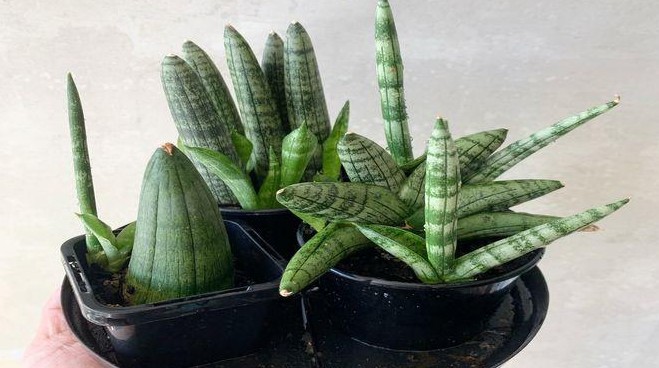
Snake plants multiply—and fast—in proper conditions. Within two years, my original pot had forced itself out of its ceramic throne so aggressively I woke up to shattered pottery on my kitchen floor one morning (“plant parent lesson #33: unglazed clay cracks before plastic does”). Expect to repot yearly—even IKEA plastic buckets can split under root pressure if ignored too long!
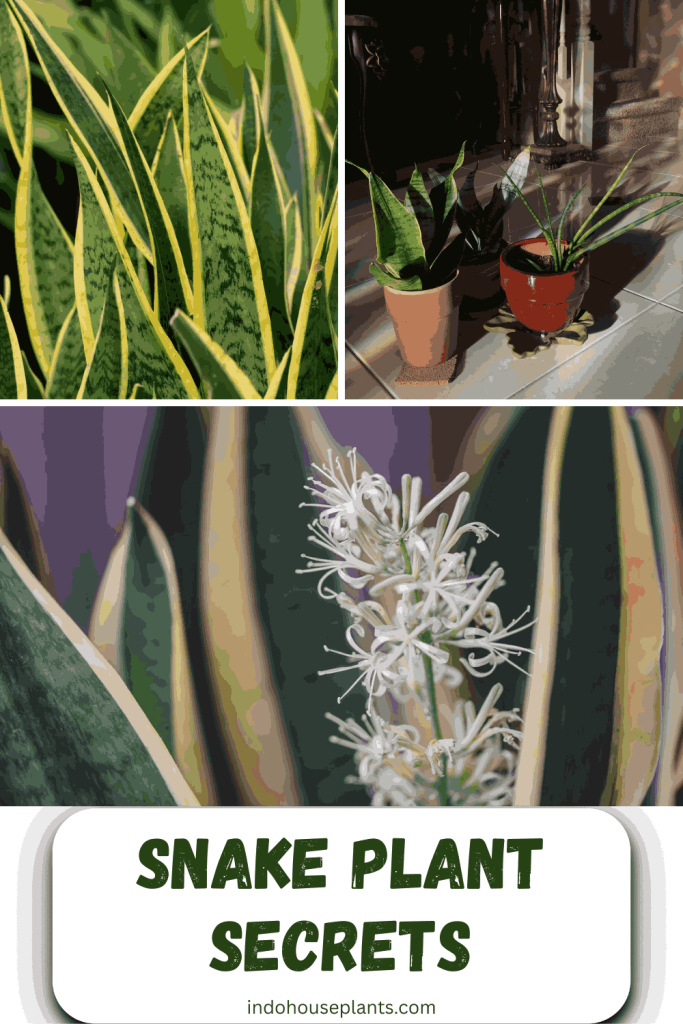
On light? Honestly—they tolerate dim corners but look best in bright indirect window light (north-facing never hurts them). Direct sun can cook stripes off variegated types… ask my office desk buddy whose yellow lines faded within six months next to our south window.
When Things Go Sideways
Nobody ever confesses their failures outright—I lost half my collection once from pure laziness during travel season (“They’ll be fine!” said July Me… August Me returned to mush). Trimming rotten bits aggressively saved exactly two survivors—that meant cutting well above soft areas till crispy green tissue showed inside each stem base.
Honest moment? Sometimes things die anyway for no apparent reason—even experts can misjudge shipping stress/root shock/bad luck fungus spores hatching overnight. If your new plant starts declining right away after delivery, snap clear photos right away and email seller—with timestamps—to initiate quick replacement claims rather than waiting until it’s crispy brown beyond hope.
Your Next Step Shouldn’t Be Shopping
Hear me out on this shift in mindset: Before buying anything today—decide how long you’re willing NOT to fuss with your new plant after bringing it home. Seriously! Set yourself up for success by prepping your space first:
- Clean off windowsills/spots away from heating vents.
- Wash old planters thoroughly (soap + vinegar rinse).
- Go grab actual cactus/succulent soil blend ahead of time—not whatever random dirt came free from shipping.
- Set calendar reminders spaced far apart so you won’t nag yourself into overwatering.
- And maybe pre-measure your watering cup—my habit is old yogurt containers marked at 1/8 cup per small snake pot every 3 weeks max.
That way when temptation finally wins—you’ll make choices based on calm planning instead of impulse excitement standing barefoot among impulse buys under fluorescent lights at 9pm Saturday night (we’ve all been there).
If keeping houseplants has felt intimidating so far…let this be THE moment where less effort truly equals more results—for once! Call ahead to nurseries within driving distance; politely ask staff how frequently new arrivals come in or what days stock rotates before showing up just hoping for prime pickings—not all deliveries happen Thursday mornings as bloggers claim!
Screenshots help—but setting practical limits helps more (“One healthy medium-sized pot only this trip”). Trust experienced sellers ready to talk openly about weak spots rather than hiding flaws behind cheap prices—it saves heartache later and builds skills faster than pretending all greenery stays evergreen forever.
When friends ask how mine manage year after year despite jobs/life/travel? My honest answer isn’t magic fingers—it’s learning not to hover…and knowing when NOT to follow popular but dumb advice like misting daily or installing unnecessary gadgets like humidifiers (waste of money unless growing orchids).
Snake plants reward patient hands-off care more than relentless nurturing—and sometimes ignoring standard wisdom actually pays off tenfold!
Practical steps recap:
1️⃣ Prep space ahead of purchase
2️⃣ Ask direct questions—avoid big box stores unless desperate
3️⃣ Pick firm bases/new shoots, ignore superficial gloss
4️⃣ Water less often using chopstick trick
5️⃣ Don’t fear early mistakes—they’re growth moments
You’ve got street-smart tools now—not just wishful promises.* Start there… and watch what happens.*