Starting a balcony garden felt like trying to tame a mini wilderness for me—limited space, unpredictable sun, and wind that could knock over a potted plant like dominoes. But here’s the thing: the secret to a thriving balcony garden isn’t just picking the “right” plants; it’s really tuning in to the little quirks of your outdoor nook and playing to those strengths.
When I first began, I made the rookie mistake of loading up on beautiful but high-maintenance blooms that just wilted away under the afternoon sun and relentless breeze. What changed everything was slowing down to observe exactly how the light moved across my balcony during the day and noticing where the wind gusted hardest. That kind of on-the-ground intel shaped every planting decision I made after.
How to Start Your Balcony Garden Like a Pro
1. Take the Time to Really See Your Balcony’s Personality
Spend a full day watching how sunlight tracks—don’t guess. I once thought my balcony was “mostly shaded,” but tracking it showed me that for a solid 4 hours each afternoon, it soaked up perfect, gentle sun. That meant greens like spinach and kale could thrive alongside a couple of sun-loving herbs like basil.
Also, listen for wind—some spots feel sheltered, like behind a wall or near a corner, while others turn plants into flags. I discovered that placing a bulky old wicker chair behind the pots on one side actually created a micro windbreak that saved my fragile plants.
2. Match Plants to Your Balcony’s Microclimate—and Your Lifestyle
It’s easy to get carried away wanting a jungle of everything, but pick a handful of plants that are proven winners for your conditions. For example, if your balcony is sun-drenched like mine, basil, rosemary, and cherry tomatoes form a fantastic little culinary trio. They don’t just look good—they became my go-to fresh flavor boosters with zero fuss.
On a shady balcony? Think beyond ferns—try peace lilies or snake plants that offer texture and survive low light. Here’s what most people don’t know: succulents like sedum are champs for windy spots, as their thick leaves store water, making them super resilient to drying out.
3. Choose Containers that Work With Your Space, Not Against It
One lesson was the difference container choice made. Heavy ceramic pots look gorgeous but are brutal to move and overburden small balconies. Switch to lighter plastic or fabric grow bags—you can even rearrange them seasonally or bring them indoors during storms.
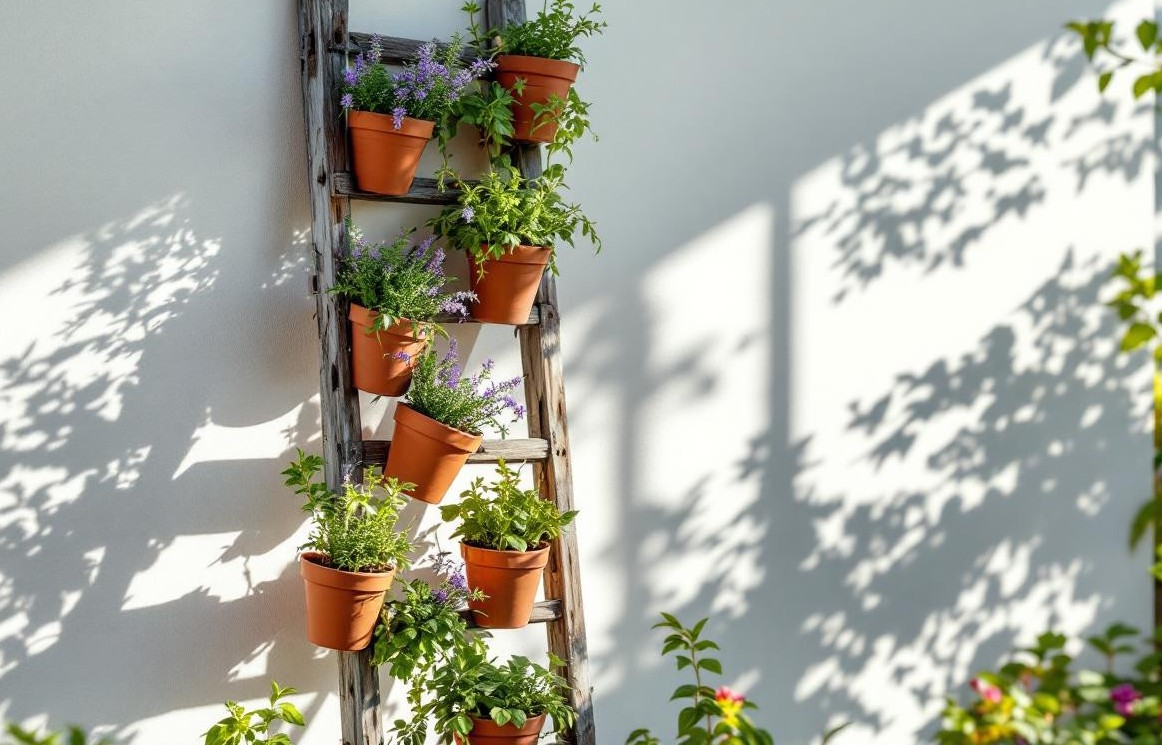
Vertical gardening changed the game for me. I repurposed an old ladder as a plant stand, layering herbs in different sized pots. This freed up floor space while turning the setup into an eye-catching feature. Hanging baskets are also underappreciated—bonus: they keep plants away from pesky cats or neighborhood squirrels.
4. Plan a Layout That Feels Cozy, Not Cramped
It’s tempting to squeeze in as many plants as possible, but overcrowding stifles growth and invites pests. Start with 3-5 pots, grouped by water and sunlight needs.
Taller things go against walls or railings, like a hardy rosemary or a climbing ivy in a railing planter, while smaller herbs or flowers sit front and center. Don’t forget to factor in your own movement—leave space so you can water and tend without knocking pots around.
5. Water Wisely and Don’t Be Afraid to Experiment
Container plants dry out quickly, no matter what online guides say. If you’re busy or often forget, self-watering pots or soaking trays can save your plants on hectic days. I also learned to trust my fingers more than timers—if the top inch of soil feels dry, it’s time to water.
Mulching pots with a layer of pebble or bark chips helps lock in moisture and keeps the soil temperature steady, especially during heat waves. Fertilizing every couple of weeks with a mild liquid feed made herbs noticeably bushier and healthier for me.
Real Balcony Tales That Stuck With Me
- My friend Nour tackled a tiny east-facing balcony with stubbornly strong winds. She embraced tough, wind-friendly plants like lavender and sedum in fabric pots hung on sturdy hooks. It wasn’t lush but it was undeniably serene, with crushed aromatic herbs perfect for evening teas.
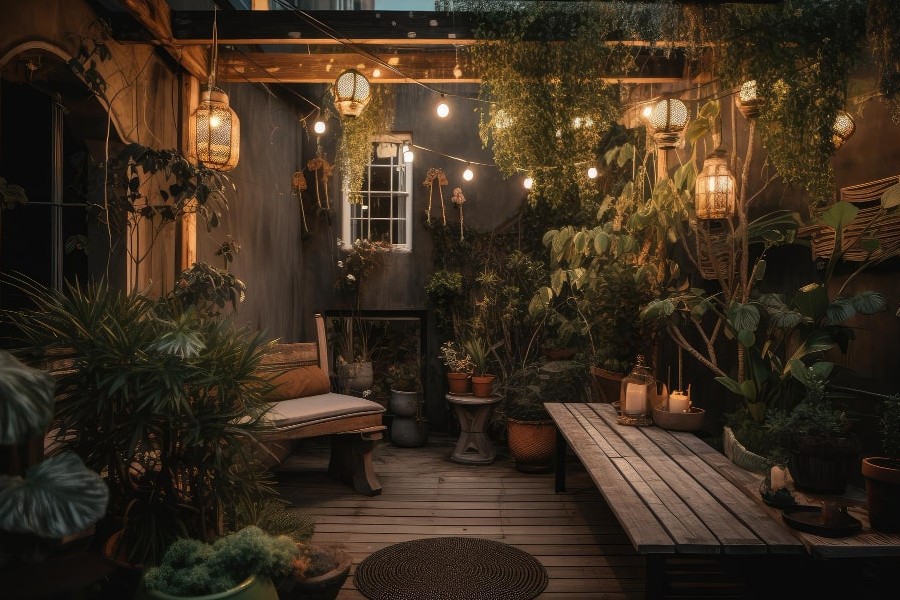
- Another neighbor transformed a shadowy corner with a trio of fern varieties and a couple of colorful begonias in hanging baskets. She added a string of fairy lights and suddenly that patch became her little sanctuary for morning coffee and journaling.
When Things Go Sideways: Tips From My Own Fails
There were moments when every single plant drooped, or leaves turned crispy overnight. Drainage was almost always the culprit. Even pretty pots without drainage holes are a death sentence to container plants.
Another time, I underestimated the toll of drafts and had to retrofit a lattice windbreak—plants responded quickly, perked up, and flourished. Pests can creep in, but instead of chemical sprays, I swear by rinsing leaves with water and sparing applications of diluted neem oil.
Also, don’t be intimidated by occasional losses—plants are surprisingly resilient, and each mistake sharpens your green thumb.
Building Confidence, One Pot at a Time
The joy of balcony gardening comes less from a perfect Instagram shot and more from those quiet moments watching a sprig of mint grow an inch, or harvesting your first cherry tomato and realizing you made that happen. Start small. Even just a few easy-care herbs or succulents teaches more than pages of gardening books.
No one needs a sprawling garden to feel connected to nature. Your balcony is your blank canvas—there are no mistakes here, just discoveries. The best part? Every plant you nurture is proof of patience paying off in green.
Here’s a simple challenge to get moving: Spend the next 2 days just observing your balcony. Where does the light fall? Which corners get blasted by wind? Note the spaces you actually use or see daily. Then pick 3-5 plants that match those conditions—and commit to caring for them for a month. You’ll be surprised how quickly that little patch of green begins to feel like yours.
Trust me, once you get this rhythm, balcony planting isn’t a chore—it’s a daily breath of fresh air, right outside your door.