It’s funny—when I first started out with indoor plants years ago, I fell into every classic beginner trap. My shelves groaned under the weight of stylish pots—all with zero drainage. Some of my beautiful succulents sat in pools of unseen water for weeks before the dreaded root rot reared its head. If you’re staring at a shelf full of choices and feeling overwhelmed, trust me: I’ve been there.
Let me let you in on some not-so-obvious tips learned from many mistakes (and just as many plant funerals).
Why Drainage Is Non-Negotiable
I once tried to baby an overwatered pothos back to health in a stunning ceramic pot—with no holes. For weeks nothing seemed amiss until one day, the leaves went limp overnight. When I pulled the plant up, it smelled… well, like a stagnant lake. Lesson burned into memory: pots need drainage like humans need oxygen.
What most people don’t realize:
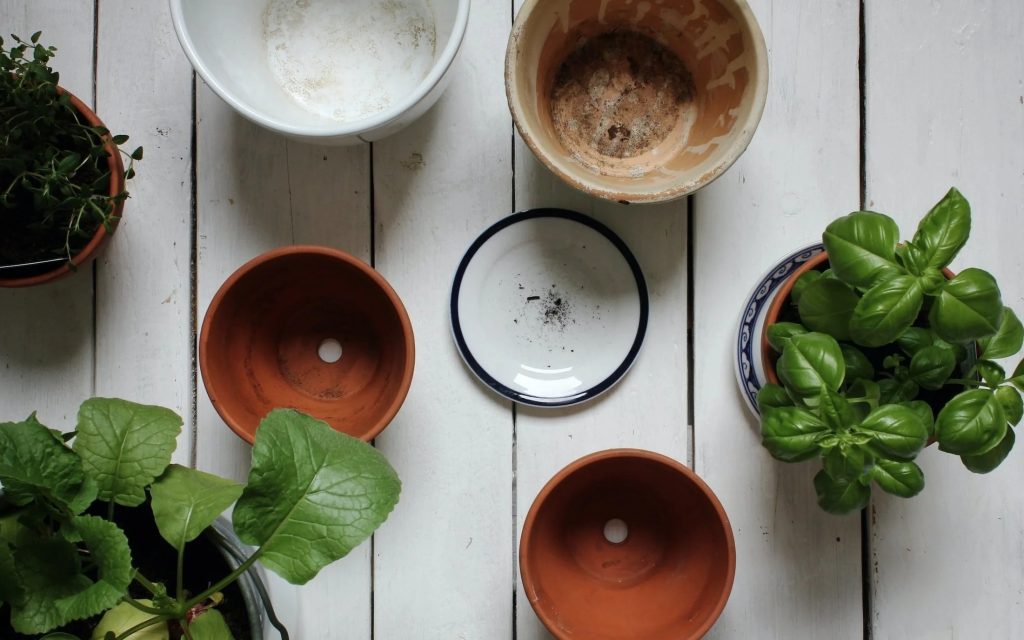
Not all drainage is created equal. Just having a small pin-sized hole isn’t enough—sometimes soil compacts and clogs it up! I’ve taken to dropping small bits of broken pottery or even packing peanuts (yes, those white crunchy things) into the bottom before adding soil. This little hack keeps water moving through and saves roots from drowning.
- Old-school pro tip: If you fall for a pot without holes (we all have!), plant directly into a plain nursery pot with holes and use your fancy cachepot as an outer shell. That way you can lift out plants easily to check for soggy bottoms—no more guessing games.
Pot Size: Think Cozy Apartment, Not Mansion
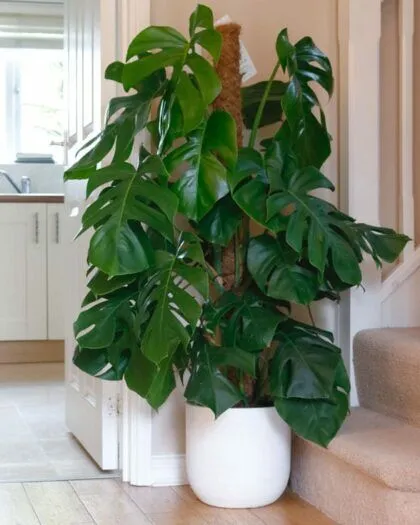
More than once, eager to give my monsteras “room to grow,” I bought pots that could double as dog bowls—for my large dogs! Big mistake. Too much soil means excess water hangs around long after your plant needs it—think wet socks 24/7.
From years of trial and error:
- The sweet spot? A new home just 1–2” wider than their current rootball.
- Only go big if you’re potting up something very thirsty or rapidly growing—birds of paradise come to mind.
- Some plants actually flower better when slightly root bound (my spider plant absolutely surprised me with babies after staying “cozy” in a snug pot).
Unexpected lesson: Those giant Instagram-worthy floor pots? Worth the splurge only if you have a true jungle dweller—and triple-check the drainage setup first!
Material Decisions: It’s Not Just About Looks
I used to believe all pots were created equal until a winter where my fiddle leaf fig simply sulked no matter what I did. Turns out, terra cotta dried its soil so quickly near our heating vent that by noon every day it was bone-dry.
Here’s what most guides don’t say:
- Terra cotta is unmatched for moisture control… if you can keep up with watering. In dry climates or heated apartments, it may be too much work.
- Plastic has saved more than one vacationer’s plant collection from death-by-thirst while away.
- Glazed ceramics balance moisture retention and style but often lack holes—always turn them over in-shop before buying!
- Want wood or metal? Line baskets with plastic nursery pots; wooden planters rot fast inside unless lined.
And this is weird but true: Sometimes thrift store mugs make perfect homes for mini succulents—the weight keeps top-heavy plants stable on high shelves!
Style Is Personal—But Structure Comes First
After years of collecting everything from hand-painted Tunisian pottery to clean-lined Scandinavian cylinders, here’s my advice:
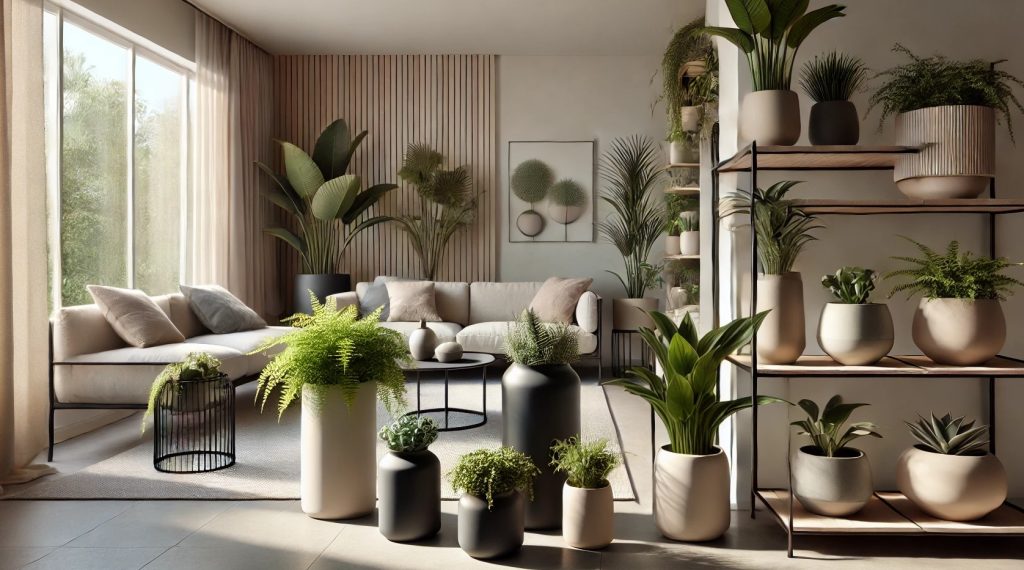
Choose pots that make you smile every time you see them—even if that means mismatched, quirky combinations lining your windowsills.
A common mistake I see is people feeling pressured to buy matching sets—it can look staged and lifeless. Some of my happiest planting spaces evolved organically over time with inherited tins from grandma next to modern IKEA finds.
For lifehacks:
- Use plastic saucers underneath everything indoors—even inside cover pots—to catch missed spills before they wreck bookshelves.
- Grouping disparate styles works when one element ties them together; sometimes all matte finishes or shared earthy colors does the trick.
Real Stories From Hard Lessons
Back in 2017, Sara (a mentee) inherited three orchid “babies” from an aunt… along with heavy glazed planters her aunt swore were chic décor staples. They had no holes—and within two months two orchids turned mushy at the base before she called me nearly in tears! We swapped their prison-like homes for cheap clear nursery cups (perfect airflow!) slipped into decorative covers—and guess who still texts photos of those same thriving orchids today?
Another experiment-gone-wrong: In 2020, inspired by Pinterest pics, I “nested” several small ferns into glass terrarium bowls without any drainage; by month two they became little green puddles. Since then? Every glass piece gets gravel + mesh liner below soil layers—or only houses faux plants!
And if anyone says succulents can survive anywhere—I dare them to try keeping echeveria alive year-round on a low-light office desk in anything except bright white plastic nursery trays!
Troubleshooting From Experience
Some warning signs jump out immediately after enough reps:
- Yellowing older leaves almost always spells trapped water below deck.
- Mold/mushrooms popping up means airflow stinks—either switch pots or add chunky orchid mix for breathability.
- Crispy tips aren’t always underwatering; some glazed ceramic containers leach salts if watered carelessly.
From my experience, consistently successful growers obsess less about pretty displays at first and more about functional basics—they know good roots are worth occasional eyesores.
Next Steps Based on Real Results
- Host a quick “pot check day”: Pull each houseplant down and tip gently sideways—is there gunky residue blocking holes?
- Test different materials room by room—a sunny bay window might call for heavier terra cotta while shaded corners do best with unglazed ceramics holding moisture longer.
- Don’t rush repotting—a couple months too cozy rarely hurts; too much wetness even briefly can doom plants fast!
- Keep starter supplies ready: old chopsticks (for poking air pockets), plastic liners/saucers stacked under sink, drill with ceramic bit if you’re brave enough (and accept risk!) to make holes yourself on thrifted finds.
- Trust your instincts—if something feels off (“Why does this sansevieria hate me?”), gently unpot and check root health rather than waiting for another leaf funeral.
If nothing else sticks from this ramble: It’s completely normal to learn as you go—from both ugly mistakes and brilliant fixes! Your favorite planter today might turn into tomorrow’s cautionary tale… but each lesson moves you closer toward thriving greenery everywhere you look at home.
Just remember—the best pot is the one that helps your plant thrive and brings daily joy when it catches your eye; everything else is window dressing!