When I first decided to start a berry patch, I quickly realized it’s less about fancy gardening tricks and more about thoughtful planning and a bit of patience. Berry plants aren’t just cute; with the right setup, they become a rewarding staple in your backyard, giving you a small harvest party multiple times a year. Here’s what I learned along the way—stuff that isn’t in the basic guides and really made a difference for me.
Finding That Perfect Spot: More Than Just Sunlight
Everyone says “berries love full sun,” and that’s true. But here’s what most new gardeners overlook: the timing of the sunlight matters just as much as the amount.
For example, in my garden, the afternoon sun in midsummer was scorching and stressed my blueberries, causing leaves to scorch and fruit to shrivel. I shifted their location slightly so they got morning sun plus some afternoon shade from a nearby tree, and boom—healthier vines and bigger berries.
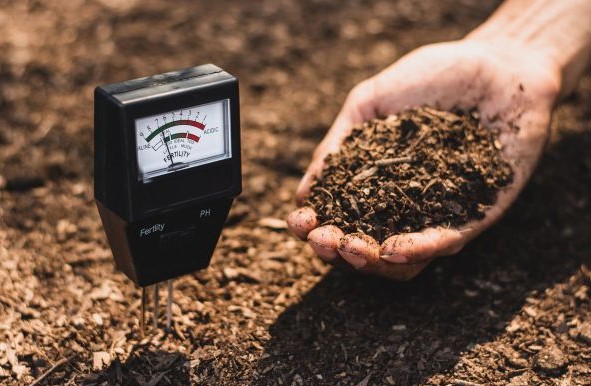
Also, don’t just eyeball the soil. I brought a simple pH test kit from a local garden store, and it turned out my soil was too alkaline for blueberries, which are finicky about acidity. Adding peat moss and pine needles around the base corrected that acidic balance over time. It’s worth the extra step.
Choosing Berries That Suit Your Vibe (And Your Patience Level)
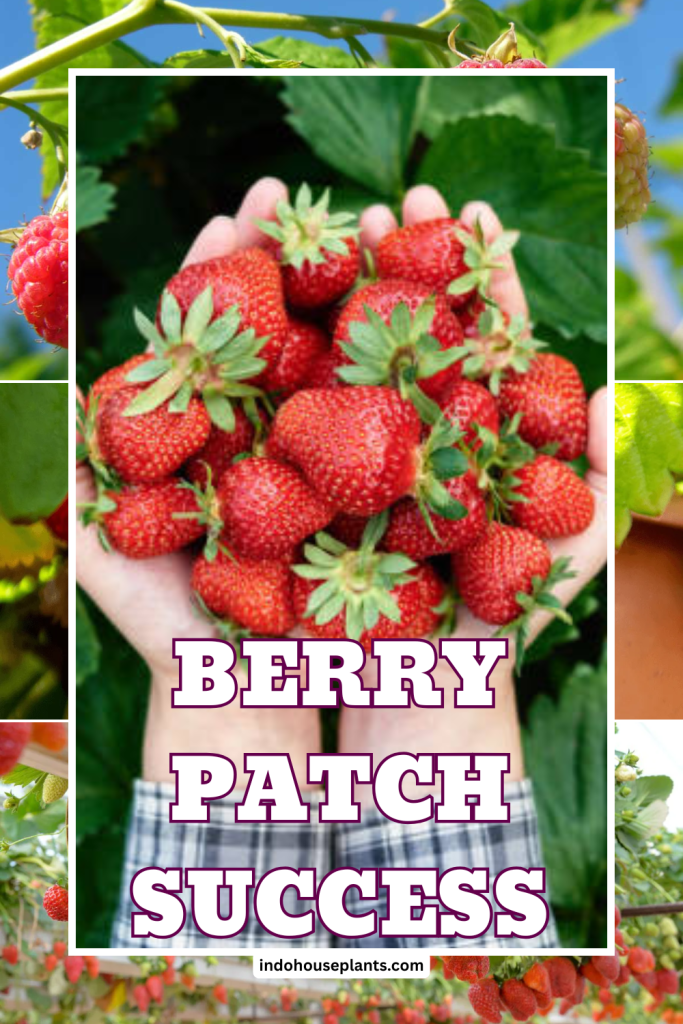
If you want instant gratification, strawberries are your best friends. Planting them on a slightly raised bed—with soil enriched with compost—gave me a bumper crop in just a few months. Also, I learned the hard way to plant strawberry runners horizontally and not bury the crown. Otherwise, you’re risking root rot.
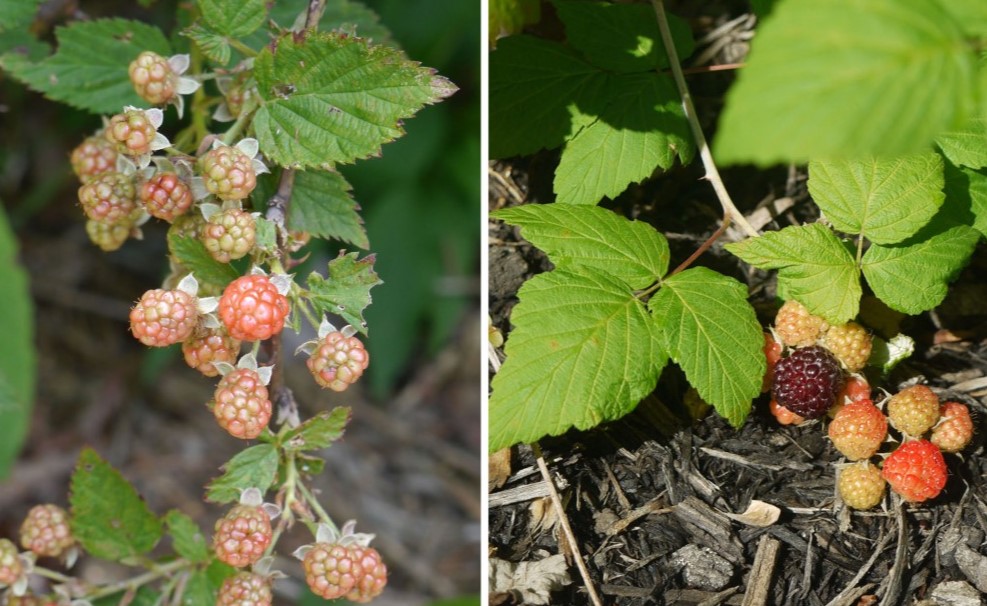
Raspberries and blackberries? They’re fantastic if you have room and don’t mind a bit of a wild look—they spread quickly if neglected. Pro tip: install a trellis early on. I waited, and the canes tangled so badly that pruning was a workout and a half. Plus, the trellis helps keep pests and diseases down by improving air circulation.
For blueberries, patience is the name of the game. They take a couple of years to settle in, but when they do, you get a feast. Also, blueberries thrive when planted with companion plants that acidify the soil, like azaleas or rhododendrons. Mixing in these plants not only improves soil but adds a lovely garden aesthetic.
Designing Your Patch with Future You in Mind
Spacing, spacing, spacing. I can’t stress enough how spacing your plants properly pays off in the long run. When I packed my first raspberry patch too tight, the canes got all twisted, airflow was terrible, and diseases showed up fast. Spreading them about 18-24 inches apart with 6-8 feet between rows gave me room to maneuver, harvest comfortably, and keep things healthy.
Here’s a trick I picked up: always leave a 2-3 foot wide path between rows. I even laid down weed barrier fabric under my walkways to keep it low maintenance—because honestly, when berries are ready for harvest, you want the process to be fun, not a chore slogging through weeds.
Sketching the layout on graph paper saved me from overcrowding mistakes. I marked sun angles too, so I didn’t block any plants as they grew. This foresight really paid off when my berry patch started filling out.
Prep Like a Pro Before Planting
I used a garden fork to loosen my soil about 8 inches deep, mixing in several wheelbarrows of aged compost and a handful of bone meal for nutrients. Mulching with straw around strawberries and wood chips around raspberries locked moisture in and kept weeds low.
When planting, make sure roots aren’t bent or crushed—take time gently teasing out roots before setting plants.
I can’t tell you how many times I’ve seen folks bury strawberry crowns too deep. That’s a classic pitfall that ruins a plant before it even gets started. The crown should be just at or slightly above soil level—think of it like the plant’s breathing zone.
Ongoing Love = Bountiful Harvests
Berries aren’t just “plant and forget.” They do best with consistent moisture, especially in hot weather. In my experience, a drip irrigation system on a timer made all the difference—no more dead patches from forgotten watering or soggy areas from overdoing it.
Another little-known trick: hand-pick pests early. Raspberries attract aphids and spider mites, which can multiply fast. I started spraying a gentle homemade neem oil spray at the first sign and saved myself headaches later.
When it comes to pruning, raspberries and blackberries need it to shine. I prune right after harvest, cutting out old canes at ground level. This allows new shoots to thrive and fruit next year. Trust me—pruning became my favorite time of year because it felt like setting the stage for the next delicious season.
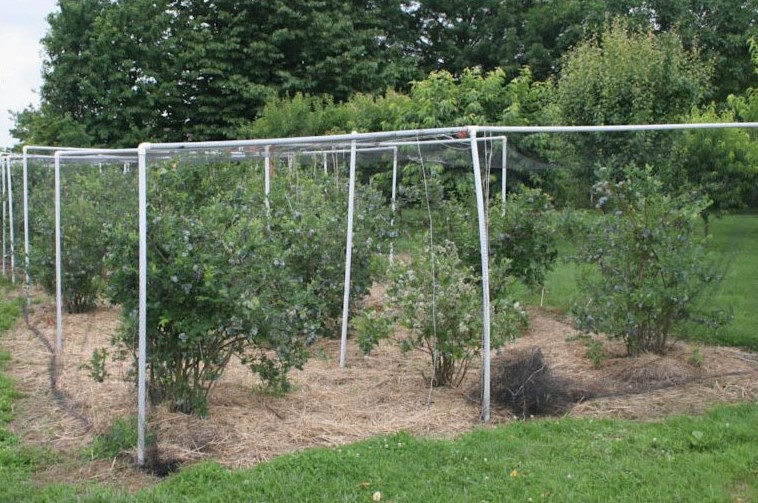
Birds are persistent little thieves—netting is your best friend. I rigged up a simple frame with bird netting over the patch that was easy to remove and reattach. It was a small effort for a huge payoff. You’d be amazed how quickly they find your berries otherwise.
Troubleshooting From Experience
If your plants look leggy or won’t fruit, check for too much shade or nutrient deficiency. A friend of mine had this issue and after adding compost and moving the patch to a sunnier spot, her berry production doubled in one season.
Moldy berries? That’s usually poor airflow or watering late in the day. I started watering in the morning to let plants dry out through the day and pruned heavily for better air movement—and mold became much less of a problem.
Persistent pests? Don’t panic. I reached out to my local extension office once, got a quick pest ID, and they suggested organic solutions that worked without chemicals.
Starting Small, Dreaming Big
If you’re new to berry gardening, start with strawberries in a raised bed or container. It’s a forgiving way to learn the ropes—watering, mulching, harvesting—and builds your confidence. After one season, you’ll know if you want to expand to raspberries or blueberries.
The joy of biting into freshly picked berries, knowing you nurtured every one of them, is incomparable. It’s a little slice of summer that you grow yourself, turning your garden into a sweet sanctuary.
So grab a notebook, do a little measuring, and embrace the dirt. Your future self will be snacking on sun-ripened goodness and wondering why you didn’t start sooner. Trust me, once that first juicy berry pops, you’ll be hooked.