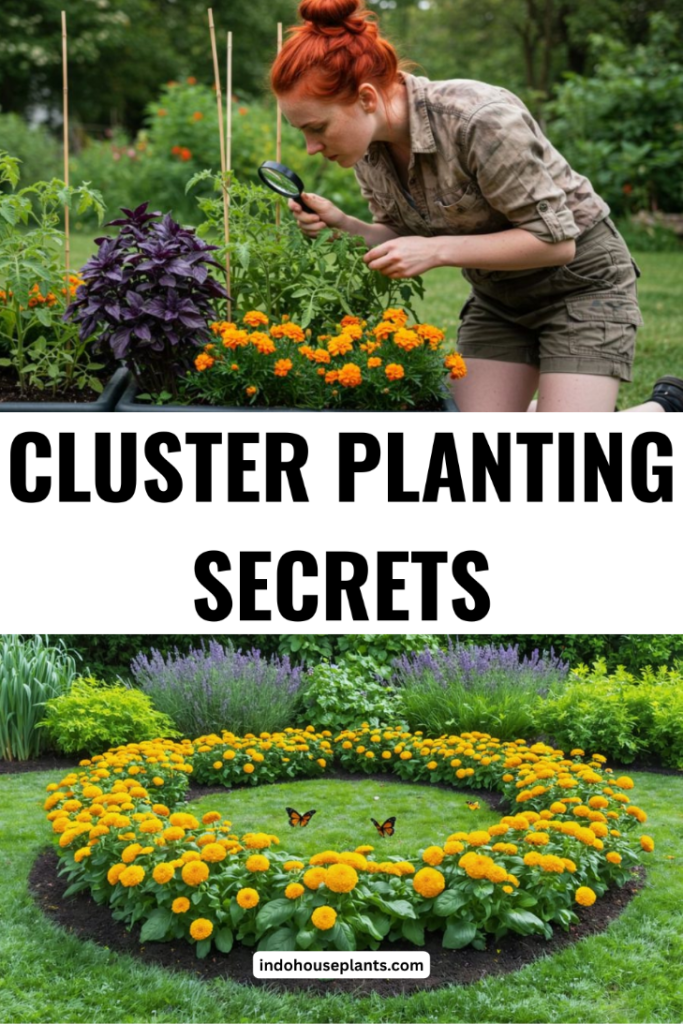
When I first stumbled upon cluster planting, it felt like a secret handshake amongst seasoned gardeners — a way to pack more life and color into a small space without turning your garden into a jungle. What I quickly learned is that cluster planting isn’t just about crowding plants; it’s about creating a little community where each plant supports the others in ways that make your garden healthier and more resilient.
Here’s the scoop from my own trials and triumphs – and some things most people don’t tell you…
Why Cluster Planting Feels Like Magic
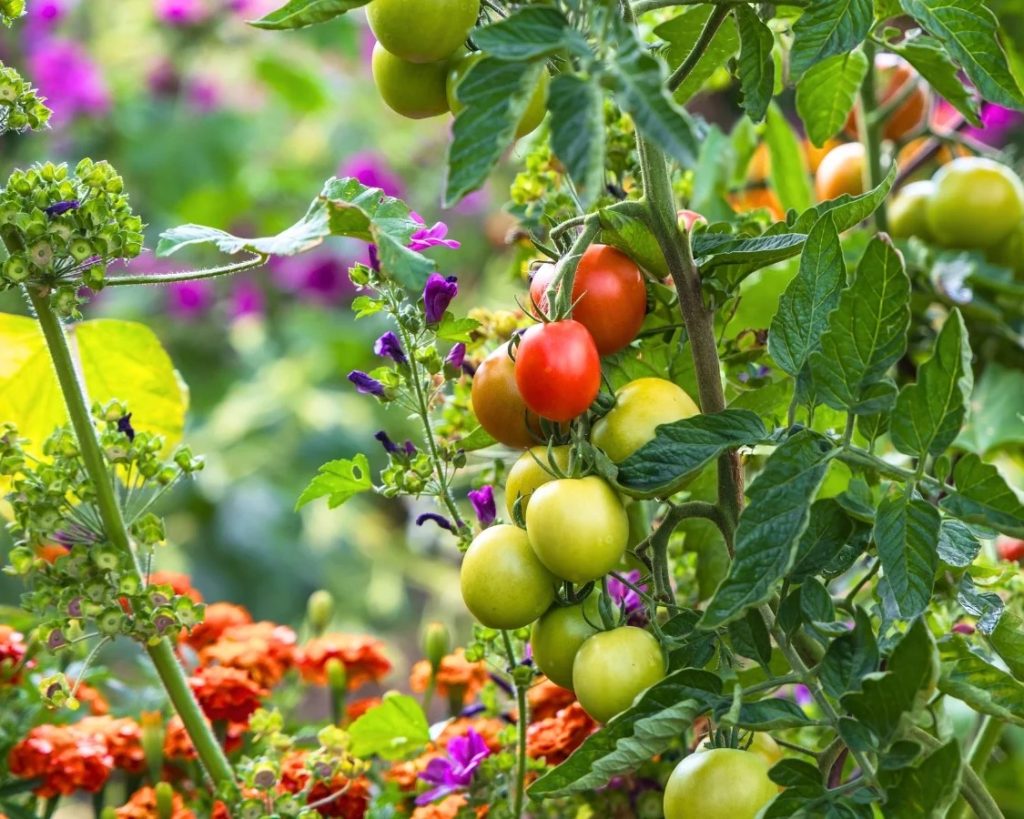
When I started, I was skeptical about planting tomatoes closer together than the “recommended” spacing. But planting three tomato plants in a tight triangle with basil and marigolds threw me a curveball: the plants seemed to thrive instead of choking. The basil’s intense aroma didn’t just make the tomatoes tastier but also seemed to keep aphids at bay, and the marigolds drew in pollinators like bees without letting other pests take hold.
Here’s where the real magic starts: the leaves overlap just enough to create shade, which keeps the soil cooler and reduces water loss — something I never fully appreciated until one summer’s heatwave. Plus, the triangle shape somehow let the breeze weave through without turning my crop into a wind-tossed disaster.
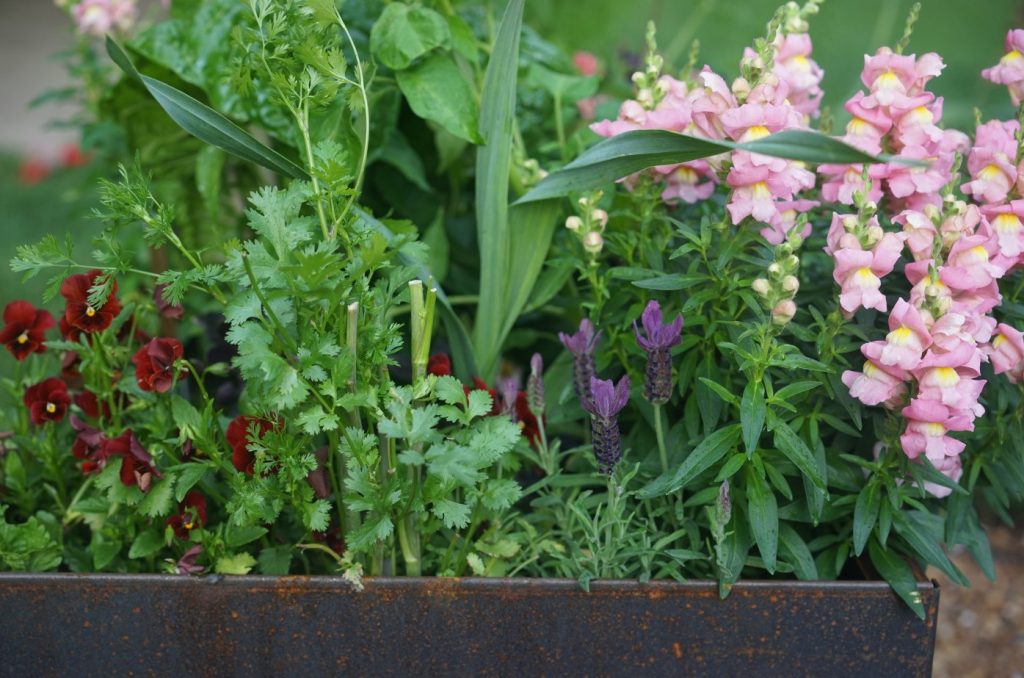
Most gardeners don’t realize how much microclimates from cluster planting matter. The “mini forests” you create in your garden can actually moderate temperature swings and protect delicate plants from scorching sun or chilly winds. It’s like giving your plants a tiny neighborhood with shared benefits.
What I Wish I’d Known Before Starting
- Spacing isn’t one-size-fits-all: Those seed packets say “18-24 inches” for tomatoes, but if you cluster them smartly in a triangle, 12-15 inches apart works better. That got me more tomatoes in a smaller space without any suffocating drama.
- Soil prep is non-negotiable: Because your plants’ roots are sharing a space, your soil better be a buffet. I once tried cluster planting with mediocre soil and saw one plant hog all the nutrients, leaving the others listless. From then on, I made it a rule to load up on compost or organic fertilizer before planting.
- Watering needs finesse: When you’re watering a cluster, drenching the leaves invites fungal diseases, especially with tomatoes. Instead, I always water at the base, sometimes using drip irrigation and mulch to keep moisture consistent below ground.
The Cluster Plant Families That Changed My Garden
- Tomato-Basil-Marigold Trio: If you’re growing tomatoes, don’t just plant them solo like I did at first. Adding basil and marigold in a tight triangle not only boosted flavor but kept pests to a minimum. Plus, the basil provided some shade to the tomato stems, which seemed to reduce sunscald.
- Leafy Greens Mix: I grouped butterhead lettuce, romaine, and arugula in a tight circle last spring. They shaded each other perfectly during afternoon heat, which prolonged their harvest window far beyond what I expected. They were so happy together that the lettuce even grew sweeter.
- Succulents in Close Quarters: For container gardening, I’ve packed small succulents like echeveria and sedum close together—sometimes just a couple of inches apart. Their thick, waxy leaves create a tiny, humid microclimate that balances moisture without drowning roots. Plus, it looks like a tiny rocky landscape, which is hard to beat aesthetically.
How I Learned to Avoid Overcrowding and Other Common Pitfalls
At first, I made the classic mistake of cramming plants too close, thinking ‘more is better.’ Spoiler: it’s not. One season, my tomatoes became stressed and smaller because they were elbow-to-elbow with no airflow. That experience taught me to watch plants’ signals—wilting, yellowing, or stunted growth usually means it’s time to thin the cluster.
Also, I underestimated pruning. In denser clusters, trimming lower leaves to boost airflow has been a game-changer in preventing mold or mildew. Plus, rotating container clusters every week or two helps ensure no plant gets left in the shade.
A Little Experiment You Can Try Today
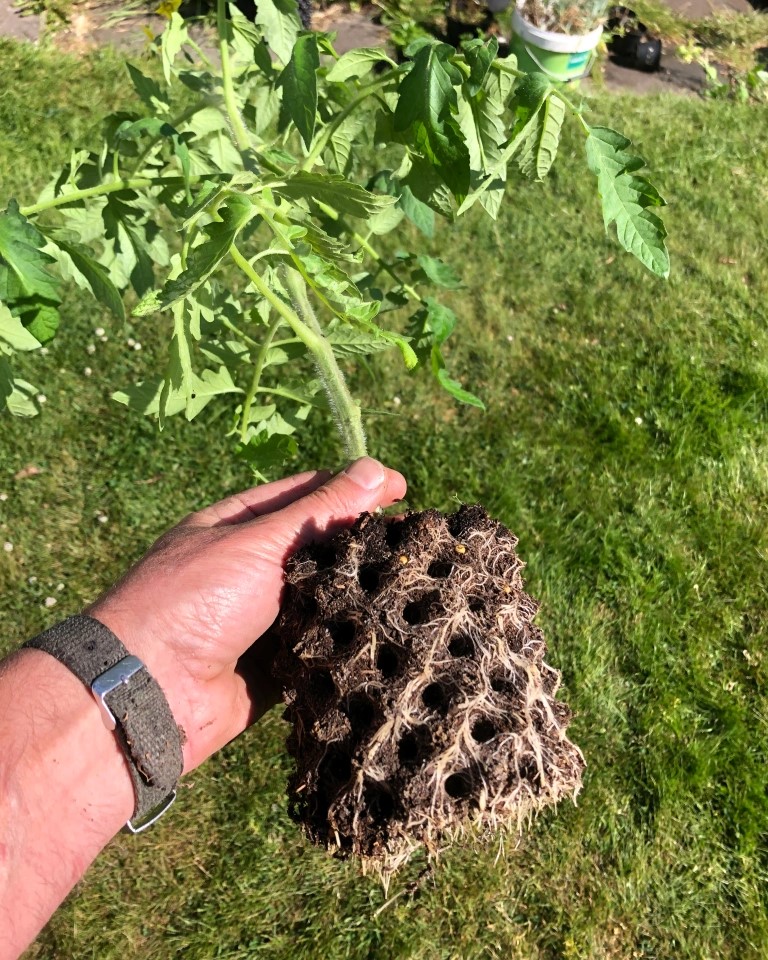
Pick three plants that naturally get along—the classic tomato, basil, and marigold combo is foolproof for beginners. Draw out a simple triangle and plant them about a foot apart, slightly closer than usual. Enrich your soil with compost first, then plant and water at the base. Over the next few weeks, keep a garden journal of what’s thriving, what’s lagging, and any pests or diseases you spot.
The beauty of cluster planting is that it rewards curiosity and observation. One season I noticed my marigolds were outgrowing the cluster and shading the basil more than I liked, so I trimmed them back. The next season, I swapped in nasturtiums for marigolds to see how they’d do with the tomatoes and basil—and they added another layer of pest protection I hadn’t expected.
Final Thoughts: Your Garden’s Neighborhood Is Waiting
Cluster planting transforms your garden from just a patch of earth into a lively, interactive community. Like a well-planned neighborhood, it’s about relationships—some plants become roommates, others are like neighbors who look out for each other’s wellbeing. That’s what makes cluster planting simultaneously practical and poetic.
Every gardener’s cluster looks a little different because there’s a bit of trial and error, personality, and even a dash of intuition involved. Don’t stress the “rules” too much—let your plants tell you what works.
Once you start to notice your garden thriving in these cozy clusters, you’ll wonder how you ever grew a solitary tomato plant in a lonely row. This isn’t just planting—it’s storytelling in dirt.
You’ve got this—your garden’s micro-community is waiting to flourish.