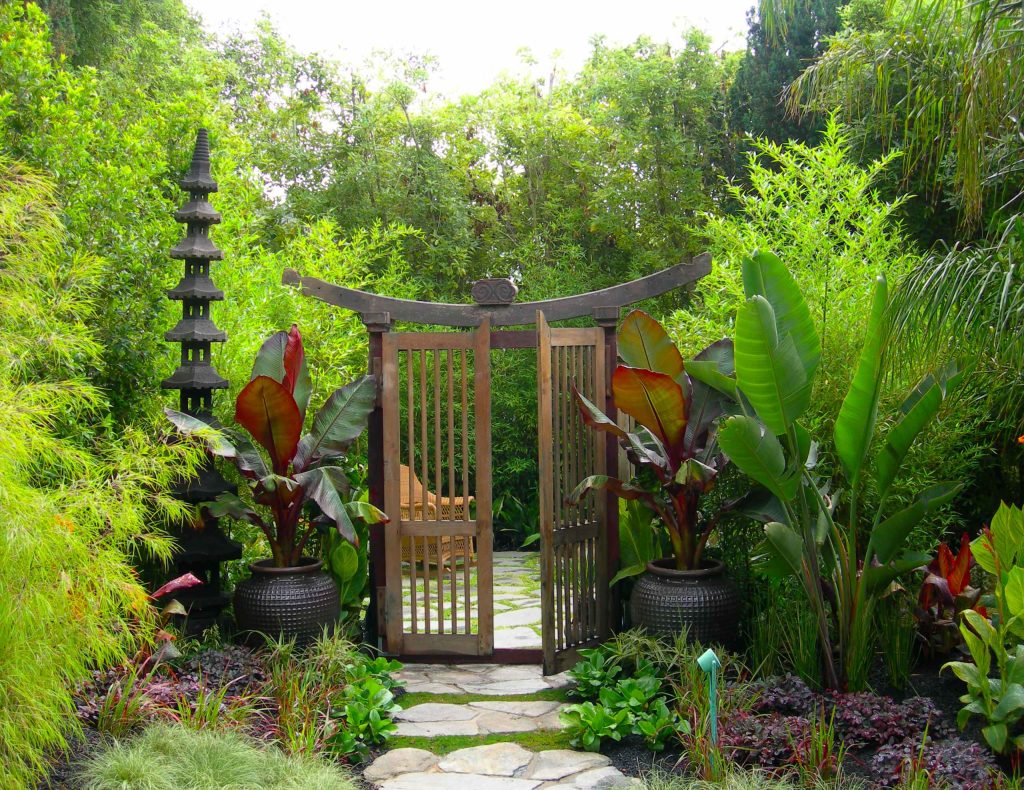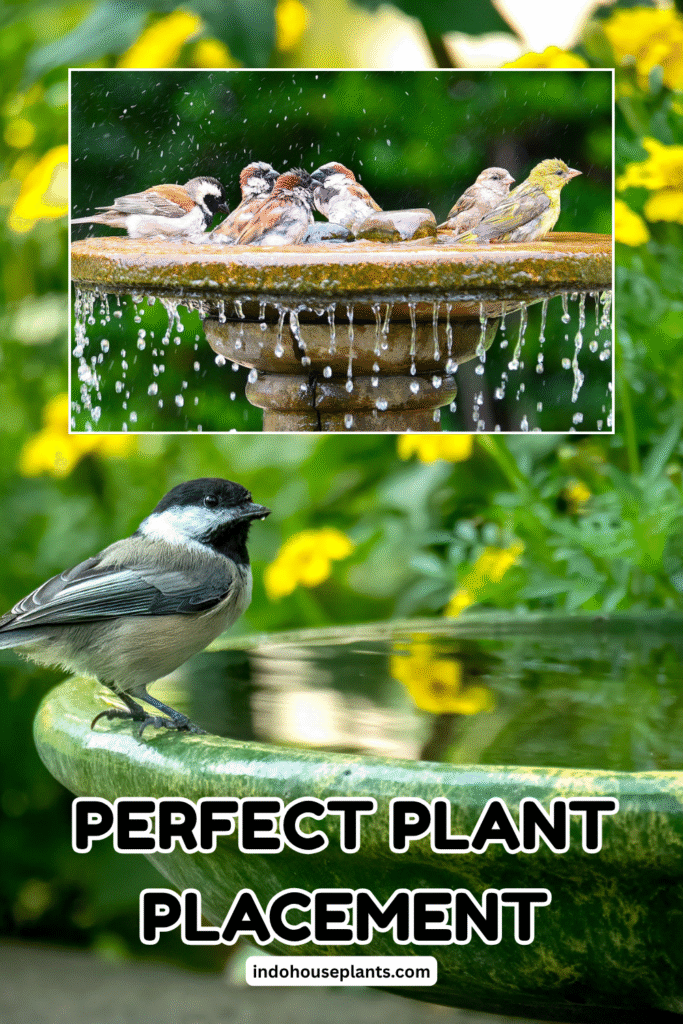
When I first added a birdbath to my backyard, I realized quickly that birds aren’t just picky about water—they want a whole scene that feels safe and welcoming. It took a bit of trial and error, but I figured out how thoughtful plant placement makes all the difference, and here’s what most people don’t know: it’s not just about aesthetics or proximity. It’s about creating a little sanctuary where birds feel protected without losing sight of danger.
Why Planting Around Your Birdbath is More Than Decoration
I learned early on that birds are basically tiny, feathered little superheroes—always on the lookout for threats. If a birdbath is stuck out in the open, it’s like asking birds to take a drink in a sniper’s crosshairs. But if you cover it up with bushes or place plants too close, they can’t see what’s coming, and that makes them nervous enough to skip a visit.
From my experience, the perfect setup is having plants close enough for cover and quick getaway routes, but spaced so the water itself is fully visible from multiple angles. I remember one morning catching a pair of cardinals nervously hopping around before deciding to bathe—they wanted that visual safety net.
A Practical Formula for Plant Placement That Works
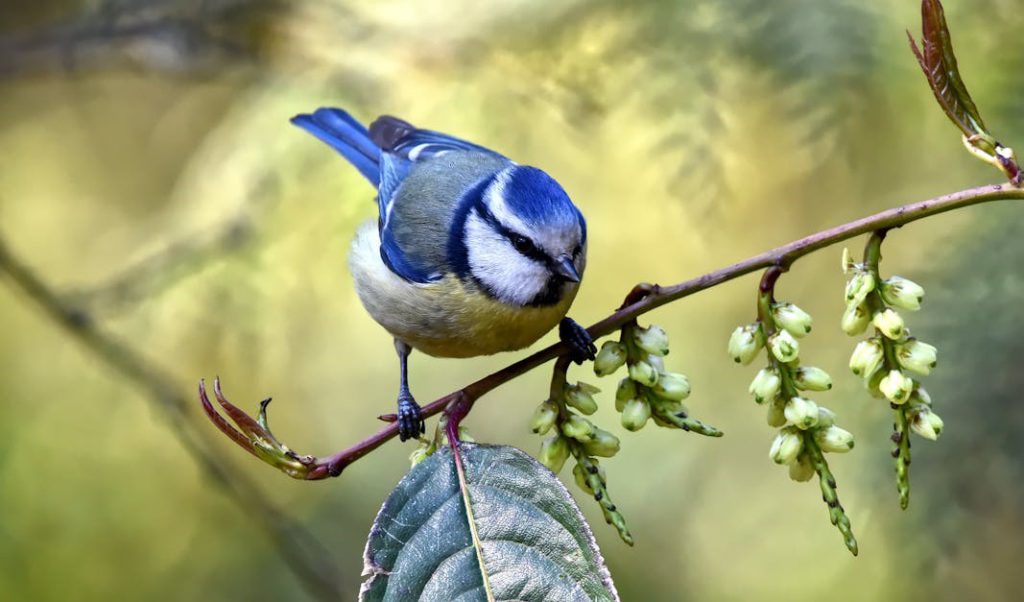
Here’s what I’ve found, after a few seasons of shaping my garden with bird safety in mind:
- Keep the bath visible. Birds need to see the water clearly to know it’s safe. Think of your birdbath as a little stage, and the plants are the audience that surrounds it—not the curtains that block the view. Avoid bushy plants right at the edge.
- Shelter at 2-3 feet away, with the right height. My go-to has been dwarf boxwoods and low ornamental grasses like blue fescue. They give birds a quick leafy cover without looming over them or hiding the bath. Coneflowers nearby add color and bring bugs, which is a bonus meal for insectivores.
- Taller trees or shrubs about 8-10 feet away. I planted a small redbud tree at that distance, which works like a lookout post. The birds whip up to it instantly if they sense danger—a handy escape hatch.
- Avoid thorny plants snug against the birdbath. I initially tried some barberry right next to the bath for predator deterrence, but the birds kept avoiding it. Thorny stuff is better placed as a perimeter guard, not a close-in barrier.
- Think about seasonal changes, not just spring blooms. I swapped some annuals for native berry-producing shrubs like spicebush that offer fall food and winter interest. This keeps the area lively year-round and provides critical resources when insects are scarce.
What This Looks Like In Real Life
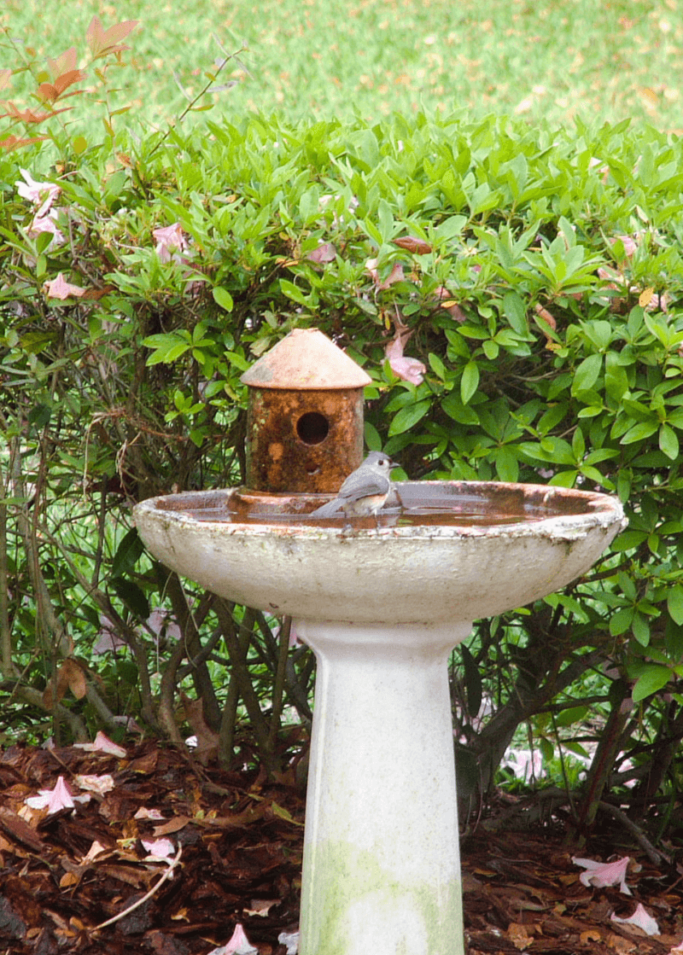
Picture this: a softly rounded birdbath on a classic pedestal. Around it, a neat ring of low-growing lavender and dwarf boxwood planted roughly 2 feet away—dense enough to shelter, airy enough to remain visible. Clumps of fountain grass gently ripple in the breeze, their fine leaves offering textures that birds love to dart through on approach.
Eight feet out, there’s a flowering dogwood with broad branches—perfect for perching. At the base of the bath, purple coneflowers bloom, their nectar and frail stems inviting insects, which invites insect-eating birds. It’s a little ecosystem, crafted with safety and beauty in mind.
Troubleshooting: What I Wish I Knew Sooner
- Mosquitoes: I was worried about nasty mosquitoes breeding in still water. Turns out, cleaning my birdbath every 2-3 days and optional adding of mosquito dunks (safe for wildlife) made a huge difference.
- Messy leaves: I kept having to scoop out leaves every morning. Moving large-leaf trees a bit farther away solved this. Now I have a deciduous tree about 15 feet out—a little farther than I thought necessary but totally worth it.
- Pests or unwanted visitors: Native plants are really the MVPs here. They attract fewer pests and support broader wildlife. Local garden centers usually have great suggestions for natives that thrive without extra fuss. The National Wildlife Federation has a great native plant finder to get you started.
- Cats and predators: Cat-proofing your bird area is tough. Dense shrubs a bit farther out help, but I also started hanging lightweight bird scare devices intermittently. It’s not foolproof, but it helps give birds more peace of mind.
How to Start Your Own Birdbath Garden
If this sounds like a lot, don’t fret. When I started, I just picked three hardy native plants I liked, arranged them thoughtfully around the bath, and let it evolve over time. Birds are surprisingly forgiving and reward patience.
Start by pacing out 2-3 feet around your birdbath—this is your “safety zone” for shrubs and grasses. Then put taller trees or shrubs about 8-10 feet away to form perches and lookouts. Choose plants native to your region—they’ll thrive with less work and support local wildlife.
Cleaning your birdbath regularly is something I can’t stress enough—fresh water beats everything for keeping birds coming back. The Audubon Society has a simple guide on safe cleaning practices.
Finally, watch and learn. Pay attention to which spots birds use and which plants they avoid. Adjust as you go. For me, this hands-on observation was the real teacher.
You’re Creating More Than a Garden
When you arrange plants well around your birdbath, you’re really crafting a peaceful mini-sanctuary that invites birds back day after day. It’s not about perfection—it’s about creating a connective space where nature feels safe and natural. And trust me, the joy of watching your feathered neighbors relax, splash, and just be themselves makes every bit of planning more than worth it.
So grab a couple native shrubs, clear some space, and you’ll be surprised how quickly your birdbath becomes the neighborhood hotspot. Birds notice care and comfort far more than fancy decorations—they come for safety and stay for the hospitality you create.