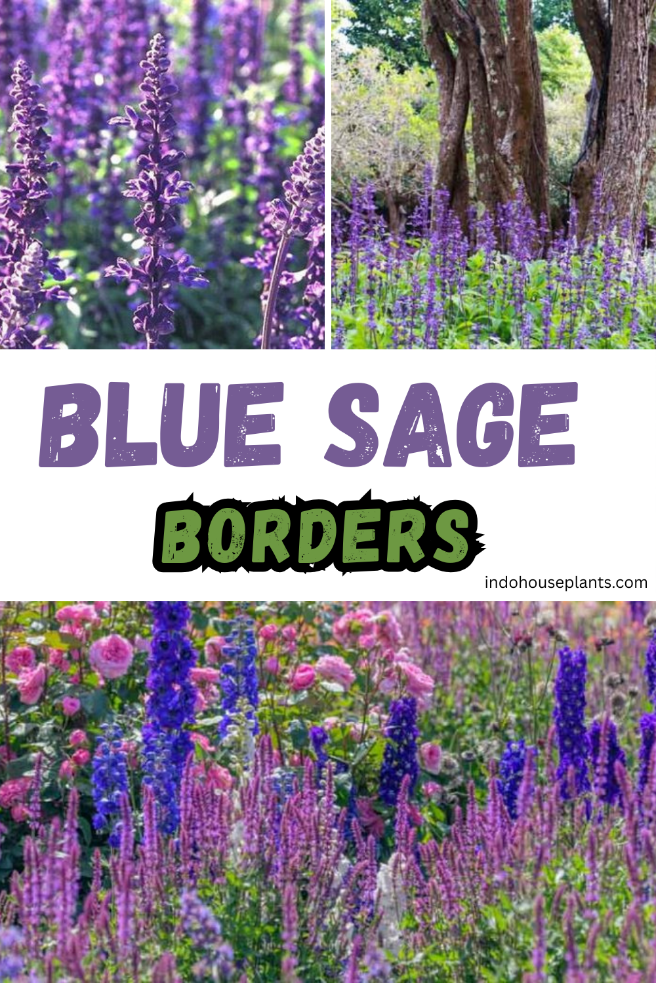
There’s something quietly magical about blue sage—the way its soft, smoky blue-gray leaves catch the light and bring a sense of calm to any space. When you think about Blue Sage Borders, you’re not just talking about a color or a simple frame. You’re tapping into a vibe, a feeling rooted in nature’s gentle, healing touch.
I’ve used blue sage-inspired borders countless times—from wedding invites that needed that subtle rustic elegance to garden paths I planted myself to bring life and structure to an outdoor space.
Let me share what I’ve learned, including some behind-the-scenes tips most people miss, so your Blue Sage Borders won’t just look pretty; they’ll carry meaning and personality.
What Blue Sage Borders Really Are (and Why They Matter More Than You Think)
At first glance, you might think blue sage is just a trendy dusty blue-green shade or a leafy pattern for decoration. But in my experience, Blue Sage Borders are a bridge between design and emotion. They evoke calm, grounding, and a connection to the Southwest or rustic aesthetics—but without feeling forced or cliché.
Here’s the thing: Blue sage leaves are not a bold splash of color; they are subtle and textured. So a border inspired by them needs to capture that softness and the variations in tone—think of the dusty, almost silvery hues with hints of green and blue that shift depending on light. A border inspired by blue sage should feel like a whisper, a gentle frame around your content or your garden.
[IMAGE: Close-up of blue sage leaves showing their textured, silvery-blue hue]
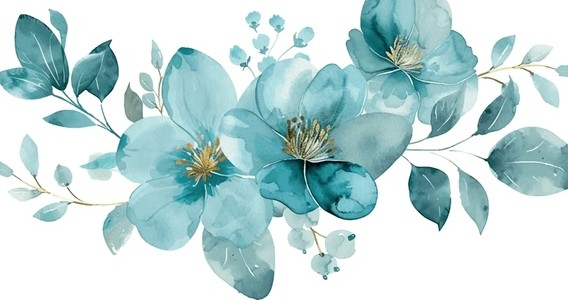
I’ve seen weddings that used blue sage leaf borders digitally—you’d think a leafy border might be too much, but by layering translucent, watercolor leaf shapes and playing with opacity, the design felt effortless and elegant. The same approach applies to crafting and planting.
My Go-To Ways to Use Blue Sage Borders So They Stand Out (Without Overdoing It)
- Ditch the Flat Color, Embrace the Texture
Most people pick a flat dusty blue and slap it on a border. Don’t. Instead, use watercolor textures or layered brushstrokes that mimic the leaf’s fuzzy, veiny surface. One time, I painted a card with a dry brush effect in blue sage tones and layered imperfect leaf shapes—this gave the border a handmade authenticity that no stock image could match. - Get Inspired by the Plant’s Natural Growth
When designing borders, think about how blue sage grows: in loose, slightly wild clumps, not rigid lines. Try scattering leaves unevenly or creating a border that looks like a natural cluster spilling over the edges rather than a clean line. - Mix Blue Sage with Warm Neutrals
Blue sage’s dusty coolness pairs beautifully with warm terracotta, sandy beige, or rich wood tones. So if you’re designing a digital invite or painting a border on a wall, bring in earthy accents to complement the blue sage border. - Apply With Intention: Less Is More
I’ve seen folks make their borders so thick or busy that they overpower the main content. Blue sage borders should whisper, not shout. A thin, delicate edge that frames and enhances your text or garden space usually works best.
Real-Life Examples That Speak Volumes
- My Sister’s Backyard Table: We painted a soft blue sage brushstroke border around her outdoor dining table’s edge. Instead of a perfect line, the brushstrokes were uneven and varied in opacity, mimicking leaves blowing in a light breeze.
- A Digital Anniversary Invitation: Instead of using a full frame, I layered transparent leaf motifs only on three sides of the invitation, so the border felt like it was naturally growing into the text area.
- Living Garden Border: When planting blue sage shrubs along my garden walkway, I mixed in some contrasting plants with warm ochre tones.
What Most People Don’t Know About Blue Sage Borders
- The color shifts throughout the year—the “blue” in blue sage isn’t static. Leaves can look more green in spring and more gray-blue in winter.
- Blue sage’s symbolic meaning—it’s often used for cleansing and calming energy in many cultures.
- You don’t have to limit yourself to leaves. Branches, soft feather-like strokes, or even geometric shapes work beautifully when tinted in blue sage tones.
Overcoming the Common Roadblocks
If you’re stuck figuring out the exact shade, my trick is to take a photo of a blue sage plant in natural light and use a color picker app.
Feeling overwhelmed by design apps? Canva is a fantastic place to start—it has subtle watercolor and leaf elements already built-in.
Your Next Step: Make Blue Sage Borders Yours
Start simple: grab a paintbrush, stamp, or digital tool and play with subtle strokes or leaf shapes in soft blue-gray-green tones.