Let me break this down step by step, because picking an indoor planter is one of those things that seems easy—until you’re standing, slack-jawed, in a store aisle or scrolling through page after page online.
Think of it this way: nobody talks about how many “wrong” pots you’ll buy before finding what really works. I’ve watched even the most put-together plant parents quietly grimace at the sight of an expensive, beautiful pot now banished to a closet because it killed their fern within weeks.
Here are the overlooked, real-life missteps most folks make—and how to sidestep them:
Mistake #1: Forgetting How Water Actually Moves
It sounds silly—how complicated can “water goes in, roots drink up” be? But here’s what most people don’t know: nearly every new plant owner has underwatered or overwatered purely because they didn’t realize planters without holes turn into murky swamps. (Ask my poor 2017 spider plant. RIP.)
If you fall hard for a cute pot with no drainage, don’t panic or toss it. Just treat it like a pretty jacket—slide your nursery pot inside and remove it when watering. Yes, sometimes water collects at the bottom without you noticing; been there! After accidentally creating a small pool inside a blue ceramic cube last spring (and dealing with some regrettable smells), I learned to tip out excess water every few days.
Dialogue moment:
My sister once called me mid-repotting:
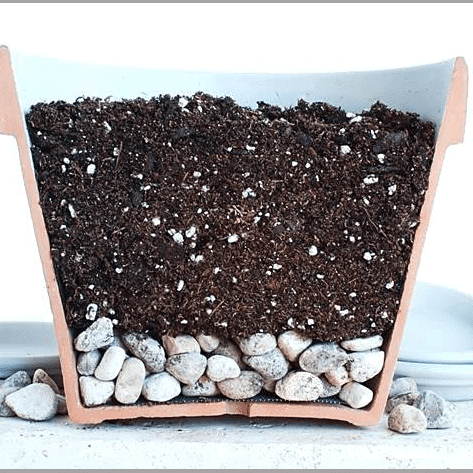
“Is it okay if I just put rocks at the bottom for drainage?”
Me: “Honestly? That’s like putting stones in your shoes so your socks stay dry—it helps slightly but doesn’t solve the problem!”
Mistake #2: Believing “The Bigger The Better” Hype
No question is silly here. Everyone assumes a large planter is an act of kindness (“room to grow!”), but too-big pots lead to soggy soil and droopy leaves more often than not.
Back in 2019, I tried moving my peace lily straight from its tiny plastic cup into a massive twelve-inch showpiece. Within weeks? Drooping leaves and sad yellowing—the abundance of moist soil quickly suffocated those roots.
A rule I stick to now (hard-earned wisdom): only upgrade by a couple inches in diameter each time—especially for slow growers. If your plant comes in a 4-inch grower pot, aim for that 6-inch sweet spot with proper drainage (bonus points if the saucer actually fits).
Mistake #3: Ignoring Your Own Habits
Here’s what nobody preaches loudly enough: match your planter material to your watering style—not just your decor. My own failed first attempt was keeping succulents alive in glossy ceramic pots on my north-facing windowsill; they stayed damp forever and rotted from the base up.
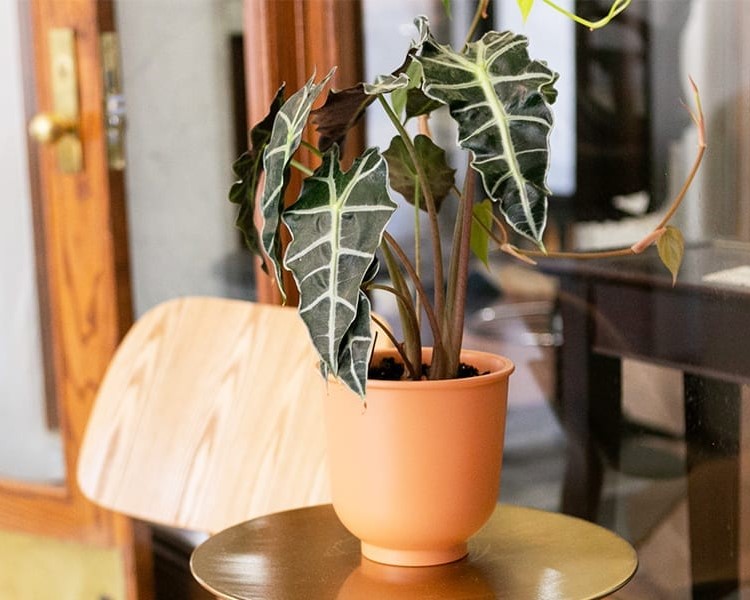
- Terracotta: Forgiving if you’re heavy-handed with watering—it lets air and moisture move freely.
- Glazed ceramic or plastic: Holds moisture longer, ideal for forgetful waterers.
Pro tip: For anyone prone to neglect (no shame!), start with low-cost plastic or glazed ceramic planters—they’re lighter and more forgiving.
Mistake #4: Underestimating The Power Of A Tray
Water stains are one of those household mysteries most renters shrug off until rental-inspection day… When I moved in 2020, hauling up every rug revealed ghostly outlines under almost every old pot!
Now, I never trust any planter without its tray—and when matching saucers go missing (it happens), thrifted coasters and chipped mugs do the job nicely.
I’ve also noticed that plants sitting above stones or gravel in trays stay healthier—roots don’t sit in runoff but still get humidity from below.
What Everyone Messes Up At Least Once:
- Fast-draining soils + no tray = dirty disaster
- Cutesy planters that tip over easily (My cat once knocked an entire jade plant onto my work laptop during Zoom…)
These are rites of passage no one brags about on Instagram—but believe me, we’ve all been there!
Real Stories From My Plant Shelf
- After five mismatched impulse buys, I standardized most of my plants into plain white Ikea planters with built-in saucers—they’re cheap, sturdy, and blend into any corner.
- My housemate Priya swore by glass jars until her mint smelled moldy within two weeks—a classic case of no airflow.
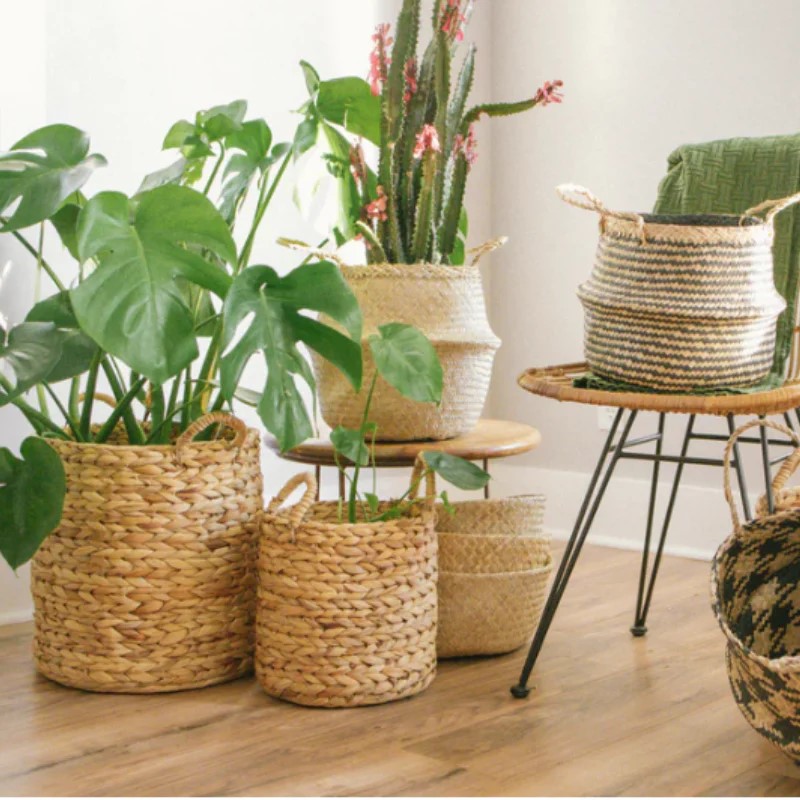
- Alex finally found peace using clear nursery pots inside decorative baskets—he could monitor roots without sacrificing style.
Tiny Tweaks That Made All The Difference:
- Lining extra-thirsty terracotta pots with thin plastic (cut from grocery bags) kept herbs alive longer during heatwaves.
- Grouping plants on one jumbo tray made watering faster and caught overflow.
- Using chopsticks as moisture meters to check deeper soil (just poke down gently!).
Why This All Matters More Than Perfection
Your first few tries might be messy—maybe even embarrassing—but learning through trial is part of building that green thumb. Don’t let a few crispy leaves knock your confidence!
No matter what Pinterest says, real success is just paying attention to what each plant needs over time.
So if you find yourself second-guessing planter choices while standing under fluorescent shop lights… remember that everyone starts somewhere—including those lush-home Instagrammers who once drowned their own cacti.
Pick something plain but functional; focus on drainage; ignore trends until you know what makes you smile when walking past your windowsill—that’s where happy plants (and happy plant parents) begin!
And hey—if something goes wrong? Drop me a line! No question is silly around here—I’ve probably made the same mistake myself at least three times already.