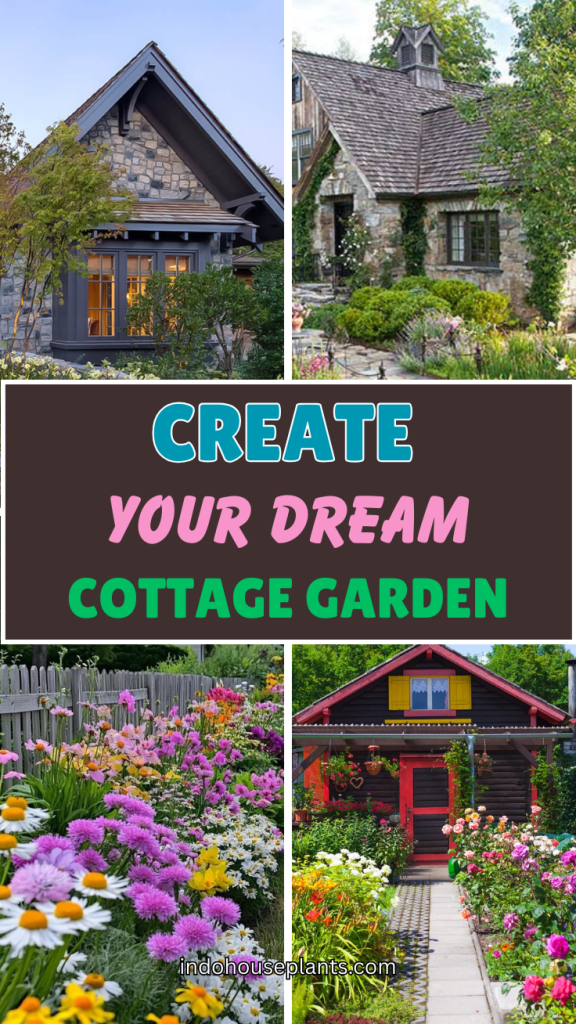
Designing a cottage garden isn’t just about planting pretty flowers—it’s about creating a little world that feels like it grew naturally over time, full of surprises and soft scents that invite you to linger. When I first tackled my own cottage garden, what struck me was how freeing it was to ditch the urge for perfect symmetry or strictly planned beds. Instead, the garden became a patchwork of favorites, some plants that volunteered themselves, and the occasional happy accident. Here’s how you can get that same relaxed, enchanting vibe without feeling like you need a degree in horticulture.
Begin With a Rough Sketch and Your Favorite Plants
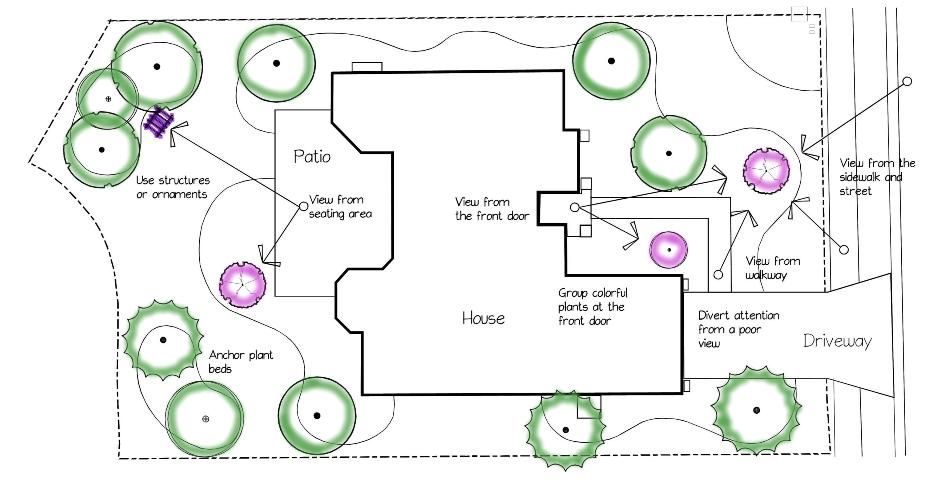
I like to start with a simple sketch—not a blueprint, just a whimsy map of my space scribbled on scrap paper. Don’t worry about exact measurements; just mark spots for fences, trees, or anything permanent. This helps me visualize where taller plants will find their stage and which areas can cozy up with a cluster of low-growing herbs.
Picking plants is where the fun amplifies. Focus on 5-7 favorites that sing to you, not what a book tells you should be. For me, that includes fragrant lavender, foxgloves that unfurl tall spires like a fairytale, and hollyhocks that always remind me of grandmothers’ gardens. Planting thyme as a ground cover near a well-worn stone path keeps things from looking bare, plus I love snipping it fresh while cooking.
Here’s what most people don’t know: mixing in some edibles like chives, sage, or even cherry tomatoes boosts the garden’s personality and purpose. When herbs are within arm’s reach, I find myself popping outside into the garden more often, making meals feel fresher and more connected to the soil.
Layering Is Your Secret Weapon
One mistake I made early on was spacing plants too evenly, trying to give everything “room to grow.” Cottage gardens thrive on layers—putting tall foxgloves or delphiniums at the back or center, with medium bushes of roses or lavender filling in the middle, and creeping herbs and ground covers hugging the edges. When you layer densely, the garden looks lush, and weeds struggle to find a foothold.
In my own garden, I discovered that letting climbing vines like clematis or honeysuckle scramble up a trellis near the seating area creates a cozy nook that’s both private and bursting with color. This vertical interest draws your eye up and adds a dimension many forget to consider.
Adding Personality Through Garden Features
What really makes a cottage garden feel like a living story is the little touches that invite you in. For example, a gravel path doesn’t have to be perfectly straight; winding edges make for a charming, meandering stroll. A weathered bench—not brand new but gloriously chipped and sun-bleached—became my favorite reading spot surrounded by buzzing bees visiting nearby flowers.
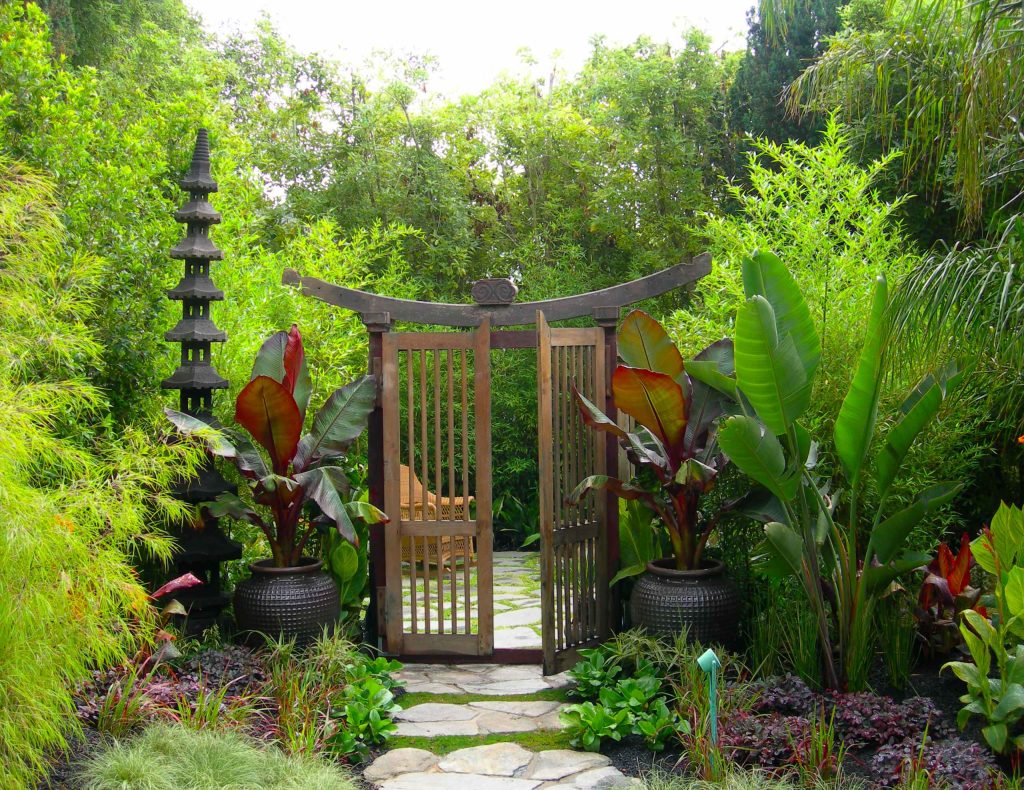
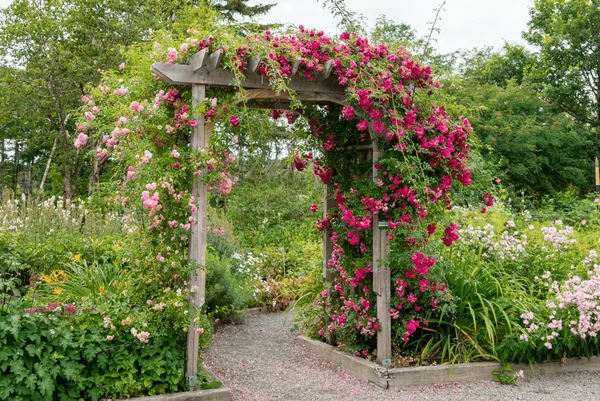
An archway covered in roses or wisteria can become the garden’s signature frame. When my neighbor gifted me an old wooden trellis, it transformed a bland corner into a romantic escape in just a season. These kinds of features aren’t just decoration; they become memory-makers.
Handling Challenges With an Easygoing Attitude
Space constraints? Cottage gardens are forgiving—containers brimming with a mix of herbs and flowers work wonders on balconies or patios. I once transformed a tiny urban yard by using terracotta pots, mixing thyme, petite roses, and dwarf foxgloves, and it still felt like a secret garden.
Worried about what will survive your local climate? Start with hardy staples like lavender and thyme—they’re my fail-safe friends. Over time, you can experiment with other plants, watching how each responds to your soil and weather.
And yes, cottage gardens can get a bit wild. Rather than fighting every wayward shoot, I found that a little light pruning and deadheading keeps the garden looking cared for without erasing its charm. Sometimes, letting new volunteers grow where they want adds unexpected beauty.
What Makes Cottage Gardens Truly Special
For me, the best part about cottage gardening has been the way it nurtures patience and playfulness. It’s about embracing imperfection and giving yourself permission to experiment. When my garden first bloomed, it was messy—some plants crowded out others, some didn’t make it—but the overall feeling was warm and inviting. Every season brought new lessons and surprises.
If you’re just starting, remember this: your garden is a reflection of you, not a magazine photo. Let your personality bloom alongside the roses and foxgloves. Choose plants because you love their scent or color, and watch how your space evolves into something uniquely yours.

Your Next Steps—With a Twist
- Grab a scrap of paper or use an app and sketch your garden area loosely. Add quirks like a favorite birdbath or an old garden gnome if you have one—these inspire design choices.
- List your top 5-7 plants, but also add a “wild card” plant or two—something unusual or unexpected to keep the garden lively.
- Visit a local nursery and talk to the staff—not just for plants but for tips tailored to your region.
- Arrange your plants without worrying about perfection. Try clumps rather than rows.
- Think beyond plants: can you salvage old bricks for edging? Use reclaimed wood for a bench or build a trellis from scrap materials? These touches deepen the garden’s story.
- Take photos weekly or monthly—it’s incredible to see how your meadow of colors and scents grows and changes.
Creating a cottage garden is less about rigid structure and more about cultivating joy. So roll up your sleeves, get your hands dirty, and embrace a little chaos with a lot of heart. Your peace-filled retreat is waiting in those layers of blooms and herbs, growing wild and wonderful just like your own story.