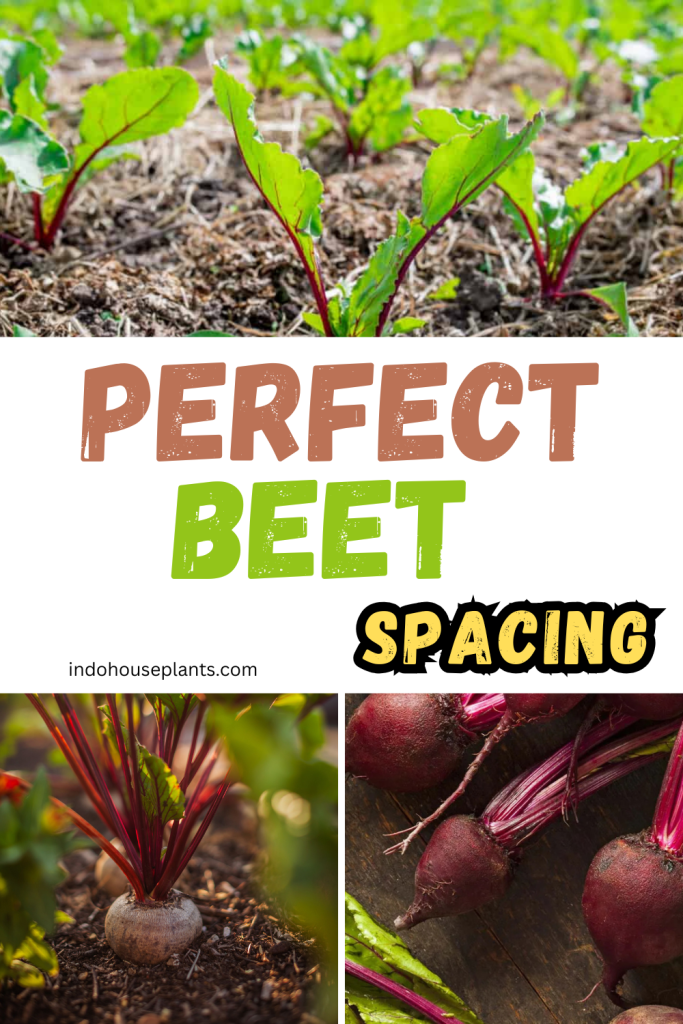
When I first started growing beets, I quickly learned that spacing isn’t just a suggestion—it’s the secret sauce to getting plump, beautiful roots instead of tiny, woody ones. Beets might seem low-maintenance, but unless you give them room to stretch both above and below ground, their growth gets crowded and awkward. Here’s how I tackle beetroot patch design, based on years of trial, error, and some surprisingly satisfying success stories.
Why Giving Beets Their Space Makes All the Difference
Think of beets as those guests who need personal space at a dinner party to feel comfortable—crowding them leads to grumpiness (aka stunted growth). When they’re packed in too tightly, their bulbs wrestle under the soil for nutrients, and the leaves above become a humid playground for mold and mildew. I once had a patch where I ignored spacing, and what should have been a feast turned into a disappointing patch of tough, misshapen discs.
By planting beets 12-18 inches apart in rows 18-24 inches apart, each plant can develop a nice, round bulb without stress. Plus, wider rows give you room for weeding, watering, and harvesting without trampling your hard work, which I can’t stress enough. My favorite setup is 20 inches between rows—it balances space with garden real estate really well.
Designing Your Beetroot Patch Step-by-Step, From My Garden to Yours
- Picking the Right Plot: I tend to start with a 4×4 foot raised bed. It feels manageable, and you avoid the “garden overwhelm” that hits if you go too big too soon.
- Soil Prep Magic: Beets thrive in loose, well-drained soil. Years ago, I learned that hard, compacted soil stunts beet growth more than anything else. I dig down at least 12 inches, folding in generous amounts of compost or aged manure. This texture keeps roots “happily breathing.”
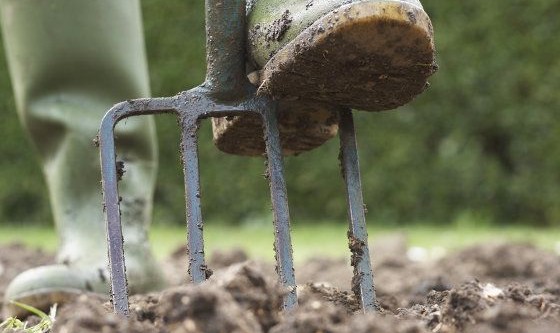
- Laying Out the Patch: I stretch a string and mark rows about 20 inches apart, giving me clear lanes to work within. It’s my version of beet runway design. Marking rows visibly also helps keep precision when sowing seeds.
- Seed Sowing Strategy: Here’s what most people don’t know—beet seeds are actually clusters of multiple seeds in one shell. So, I sow them roughly every 3-4 inches along the row. That’s closer than they’ll need to be later, but you’ll thin out the extras to avoid crowding.
- Thinning the Pack: This step feels like tough love but trust me—it’s crucial. When seedlings reach about 2 inches tall (usually 2-3 weeks after planting), I grab scissors to snip the weaker sprouts right at soil level rather than pulling them. This avoids disturbing the roots of the survivors and lets the chosen plants claim their space, eventually spaced about 12 inches apart.
- Mulch and Moisture Maintenance: Mulching is the underrated hero here. After thinning, I cover the soil surface with straw or leaf mulch to hold in moisture, keep weeds at bay, and regulate temperature. I water deeply but avoid soggy soil because soggy feet make beets grumpy.
Real-Life Example That Might Make It Click
I once had a 4×4 patch in my backyard where I planted two rows 20 inches apart. Going in close with seeds every 3 inches meant about 12 seedlings per row. After thinning, I ended up with 3-4 strong beets per row spaced a good 12 inches apart. Harvest time? Sweet, round beets ready to roast without a single shriveled one. This setup proved perfect to me—compact but generous to the plants.
A Little Extra: Companion Planting That Works Wonders
I like pairing beets with plants that don’t steal their spotlight or soil nutrients:
- Onions and garlic are my trusty pest-repellent neighbors; their pungent aroma keeps many bugs at bay.
- Lettuce or spinach get their harvest done quickly, so they don’t hog space when beets start filling out.
- Bush beans are like the soil’s personal trainers—they pump nitrogen back into the dirt, boosting beet growth.
Avoid planting beets close to pole beans or field mustard, because these don’t play nice together.
Troubleshooting—Because I’ve Been There
- Skipping thinning? That’s the fastest way to tiny beets. It’s tempting to save all sprouts, but overcrowded roots just don’t thrive.
- Slow germination? Cold or dry soil can stall your beet seeds. I sometimes start them indoors if spring drags on, then transplant seedlings carefully.
- Pests like leaf miners? I’ve learned that regular inspection, removing affected leaves quickly, and encouraging beneficial insects (ladybugs, anyone?) keeps infestations manageable.
A Word of Encouragement From Someone Who’s Grown Beets (and Lost a Few)
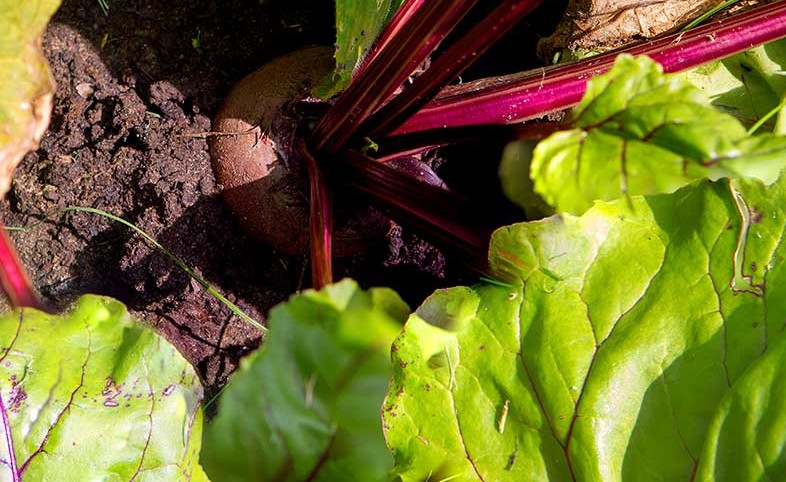
Don’t sweat it if your first beet patch isn’t perfect. I won’t lie—my early attempts were uneven at best. But beets forgive a lot, and each season teaches you more about your soil, your climate, and your timing. The joy of pulling up those first gem-like bulbs makes every misstep worthwhile.
What You Can Do This Weekend
- Grab some string or even chalk and map out your beet rows right in your garden.
- Invest some elbow grease in loosening your soil and folding in compost or manure.
- Pick up beet seeds that suit your climate—ask your local nursery for varieties that thrive in your zone.
- When the time’s right, plant seeds 1 inch deep and spaced 3-4 inches apart.
- Set a calendar alert for thinning seedlings in about three weeks—you won’t regret making this step a priority.
Beetroot patches aren’t just about food—they’re a chance to connect with your garden rhythm. Once you nail this spacing trick, you’ll see how simple care can yield a bounty of sweet, crunchy roots that almost taste like candy fresh from the earth. You’ve got this—and hey, maybe next season you’ll try growing some funky beet varieties with those wild red and gold stripes. Gardening’s not just work—it’s a little adventure every time you dig in.