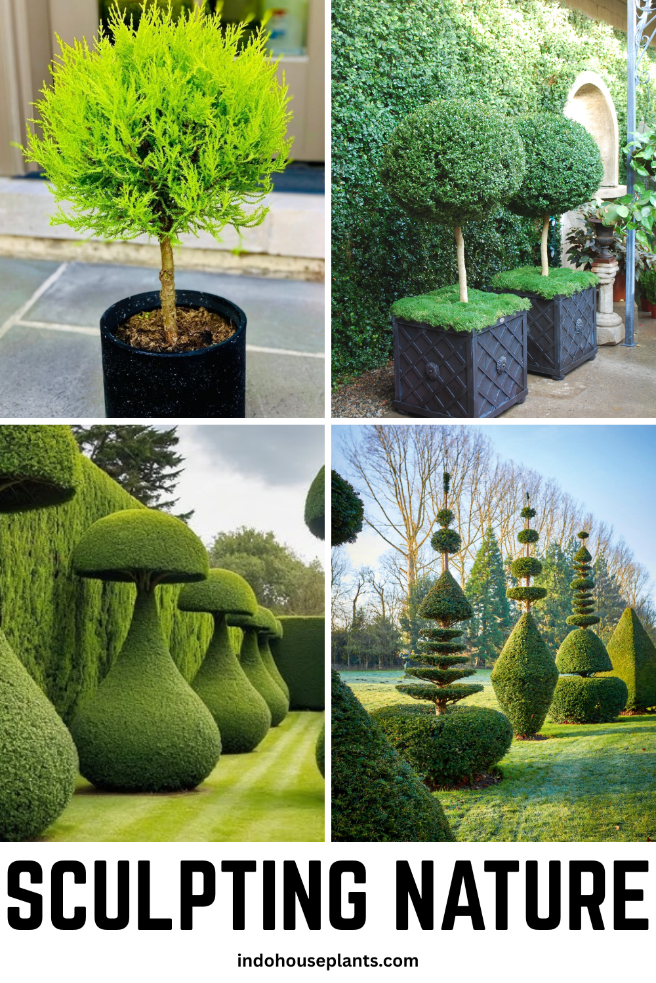
Working with Cupressus topiary, or shaping cypress trees into living sculptures, has been one of the most unexpectedly rewarding gardening experiences I’ve ever had. These evergreen trees have an incredible ability to hold tight, elegant shapes under your shears, making them perfect for anyone who loves a bit of hands-on artistry in the garden.
When I started out, I was nervous about cutting into what felt like a perfectly good tree. But here’s what most people don’t know: the secret lies in patience and respect for the tree’s natural growth patterns. Cypress trees, especially varieties like the dwarf Italian cypress, respond beautifully to gentle, consistent pruning. Unlike fast-growing shrubs that can get straggly quickly, Cupressus holds its form well, so even small snips add up to impressive results over time.
What Exactly Makes Cupressus So Great for Topiary?
Cupressus trees have these tiny scale-like leaves densely packed along their branches, creating a lush, compact texture. This density forms a natural “canvas” that any gardener can sculpt. What’s great is their evergreen nature—your masterpiece won’t lose its shape or appeal through winter like deciduous shrubs might.
I remember shaping my first cypress into a simple cone. It was during early spring when the new shoots were tender but firm. I clipped back about 20% of the new growth at a time, never rushing to shape it all in one go. Gradually, over a few months, the cone became sharper and more refined. That slow, meditative process of trimming was surprisingly calming, almost like the plant and I were having a conversation.
Getting Started: Tips from Someone Who’s Been There
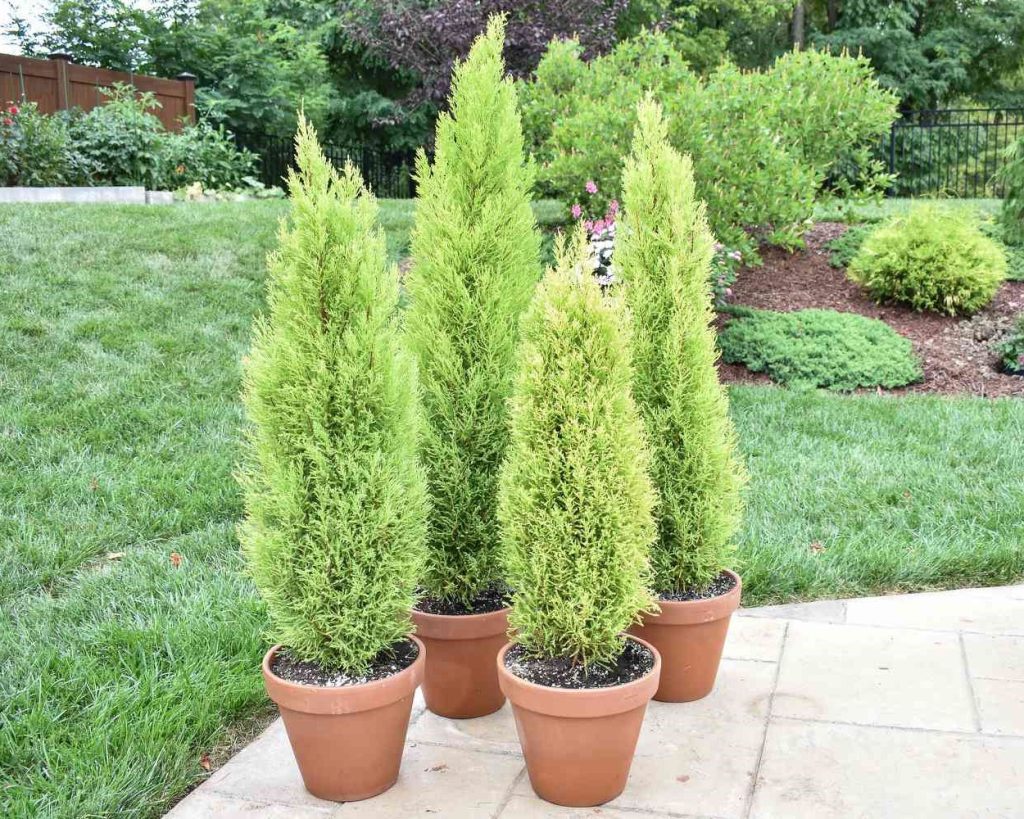
- Choose your fighter: I suggest starting with young, healthy trees like the dwarf Italian cypress. They grow slowly enough for you to keep control but fast enough to see progress in a few months. Plus, their natural columnar shape makes them easier to train.
- Tools are your paintbrushes: Sharp, bypass pruning shears are non-negotiable. Dull tools can tear branches and invite disease. I always keep mine cleaned and sharpened—it makes a massive difference. Gloves are handy because of the sap and occasional rough branches, especially if you’re a bit rough with your hands like me.
- Trim with love—and a light touch: I don’t believe in heavy pruning sessions. Trim about a third of the new growth each time, every 3-4 weeks during the growing season. Step back and look at your plant often. A crooked or uneven shape is an opportunity to practice your eye for balance rather than a failure.
- Start simple: Spirals and cones are classic for a reason. I tackled a spiral last year on a Monterey cypress, and it involved gently guiding side branches in a twisting pattern while snipping away stray growth. The first time you see the shape come together, it feels like magic.
Real-Life Stories That Might Inspire You
My neighbor, Jane, transformed two tall dwarf Italian cypresses into stately, narrow cones framing her front porch. Every month, she and I would chat over the fence while she snipped away, swapping pruning tips. Those cones ended up being her garden’s “signature” element—guests still ask about them years later.
Then there’s Mark, who turned one Monterey cypress in a cramped backyard into a spiral topiary that’s both a conversation piece and a bird perching spot. Watching birds nest in its branches was a wonderful bonus that made the careful pruning feel more rewarding.
Even a local botanical garden near me uses Cupressus topiary shaped as animals during holidays. It’s proof you don’t have to stick to basic shapes; once you’re confident, let your creativity run wild.

Common Stumbling Blocks and How to Nail Them
- Over-pruning hiccups: It’s tempting to “fix” the shape in one go, but cypress trees don’t like shock pruning. If you cut too much, you risk patchy regrowth. The trick is slow and steady wins the race.
- Uneven growth problems: Sometimes one side will grow faster. I learned to compensate by trimming that side more, but always gently. It’s like balancing a scale—take a little from here, a little from there.
- Pests or fungal issues: Watch closely. Spider mites and occasional fungus can creep in if your trees stay damp or don’t get good airflow. I keep a bottle of insecticidal soap ready, and if you catch problems early, the plants bounce back quickly.
- Winter worry: If you live where frost bites, protect your topiary by loosely wrapping it in burlap or bringing potted cypresses indoors. I once lost a young topiary to an unexpected freeze because I procrastinated—lesson learned the hard way.
Why You’ll Love This
Topiary isn’t just gardening; it’s a creative practice that connects you deeply with your plants. Every snip teaches you to see growth patterns, patience, and balance. It’s surprisingly meditative, and the sense of accomplishment when your Cupressus transforms is pure joy.
If you’ve never shaped a plant before, start small, and don’t stress perfection. Your first cone or spiral might be wobbly, but with a little time and care, it will improve. And guess what? It becomes addictive—in the best way.
Ready to Give It a Try?
- Head to your local nursery and pick a healthy dwarf Italian cypress or Monterey cypress.
- Pick up sharp bypass shears (trust me, you’ll use them for years).
- Choose a simple shape: a cone or spiral is a great way to begin.
- Trim small amounts of fresh growth every 3-4 weeks during spring and summer.
- Take photos each time to marvel at the subtle transformation.
Before you know it, you’ll be the person your neighbors go to for gardening advice—and maybe even creating whimsical topiaries that become your garden’s signature touch. It’s not just about shaping trees; it’s about shaping your relationship with nature, one clip at a time. Happy pruning!