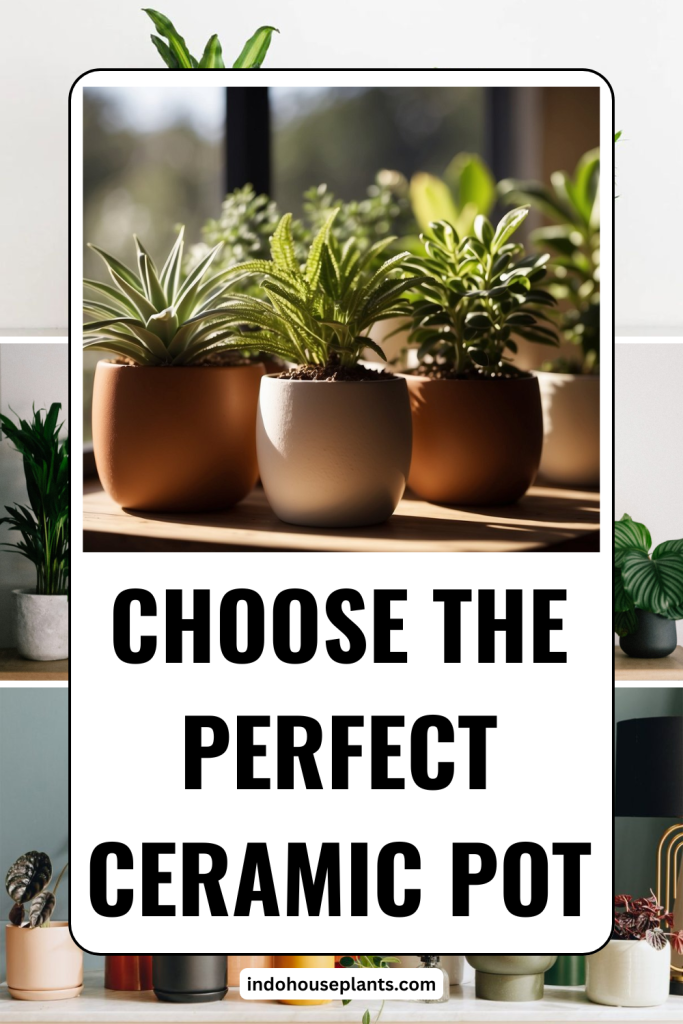
When I first started building my indoor jungle, picking the “right” ceramic pot felt like decoding a mystery—so many sizes, styles, and materials, each promising to be the perfect home for my plants. Over time, though, I learned that the pot you choose isn’t just about aesthetics; it’s a quiet partner in your plant’s well-being.
Here’s what I’ve discovered firsthand about selecting ceramic pots that truly support your plant’s growth while fitting seamlessly into your home.
Why Ceramic Pots?
Ceramic pots aren’t just about looks—they bring stability and a certain timeless charm. Compared to plastic, they’re heavier, which stops tall plants like fiddle leaf figs from toppling over every time I bump the table.
But they’re also porous (if unglazed), which means they let your soil breathe—a huge plus for certain plants. Choosing the right ceramic pot is a balance of function and style, and getting it wrong can stunt your plant’s growth or even kill it.
The Game-Changer: Measuring Your Plant’s Root Ball
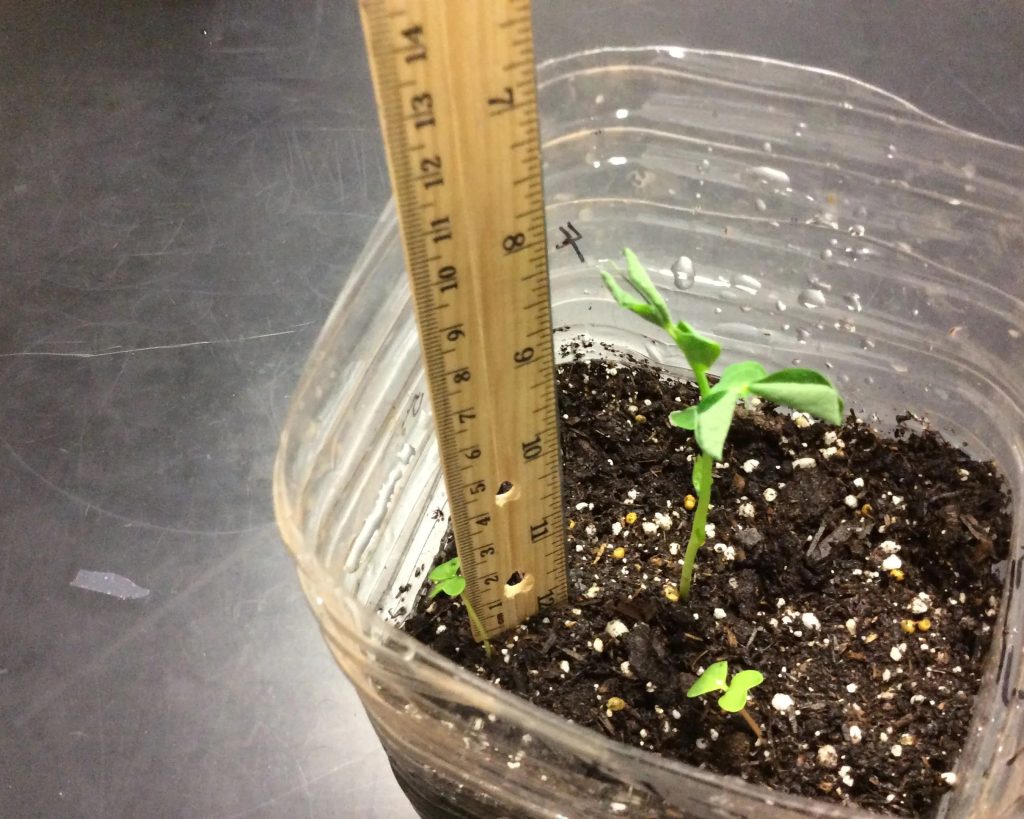
Most beginners overlook the root ball measurement, but this is my secret weapon for choosing the right pot size. Here’s how I do it:
- Gently lift your plant from its current pot and brush away enough soil to expose the roots without hurting them.
- Measure the widest part of the root ball—not just the leaves or stems. If you’re anything like me, it’s easy to guess based on foliage size, but roots tell the real story.
- Pick a pot 1 to 2 inches wider in diameter than the root ball. This gives roots breathing room without drowning them in waterlogged soil.
For example, my snake plant had a root ball about 4 inches wide, so I went for a 6-inch ceramic pot, and it thrived beautifully.
Drainage Holes: The Unsung Hero
Here’s what most people don’t realize: drainage holes are non-negotiable for healthy roots. I’ve made the mistake of using decorative ceramic pots without holes, and my plants quickly wilted. Without drainage, excess water pools at the bottom, suffocating roots and inviting root rot.
If you fall in love with a pot that has no drainage holes (they’re gorgeous, I get it), treat it like a cover or “cachepot” and put a smaller plastic pot with drainage inside it. Just remember to monitor the water carefully.
Glazed vs. Unglazed: What I’ve Learned
At first, I thought a pot was just a pot, but these subtle differences changed the way I care for my plants:
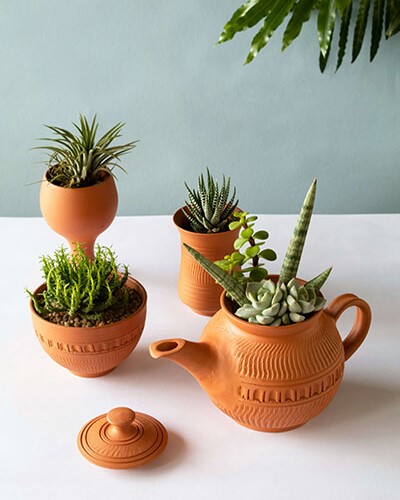
- Unglazed ceramic pots breathe better, allowing moisture to evaporate through the sides. They’re perfect for succulents or plants that hate wet soil—my jade plant is happiest in an unglazed pot.
- Glazed pots hold moisture longer, great for humidity-loving plants like ferns or peace lilies—but you have to be mindful not to overwater.
So, if your plant is a water lover, glazed pots might be your friend. If it likes it dry, unglazed is the way to go.
Style and Weight: Practical Meets Personal
Ceramic pots are heavy—and that’s an advantage if you want your plant to stay put, especially if you have playful pets or wobbly shelves. But if you rearrange plants frequently, consider smaller pots or planters with handles to avoid back strain.
A fun tip: A wide, shallow ceramic planter breathes better for shallow-rooted plants, while taller pots are great for deep-rooted ones. Matching the pot shape to your plant’s growth habit makes a surprising difference.
Real-World Examples That Saved My Plants
- Snake Plant (4-inch root ball): 6-inch glazed ceramic pot with drainage. Snake plants are forgiving, and this combo prevents rot.
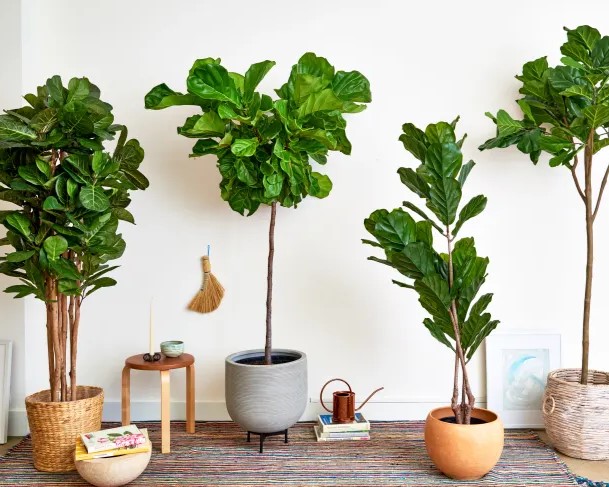
- Fiddle Leaf Fig (10-inch root ball): 12-inch glazed pot with multiple drainage holes. The weight prevents toppling on my breezy balcony.
- No-Hole Decorative Pot: Used as a cachepot with a smaller plastic pot inside. A tray catches excess water—aesthetic without the risk.
Troubleshooting Tips From Experience
- No drainage, direct planting? Expect root rot unless you’re hyper-aware of watering. I tried it once—it didn’t last.
- Pot too small? Roots circling or poking out? Time to upgrade ASAP. My fiddle leaf fig stalled badly before repotting.
- Pot too large? Extra soil stays soggy longer. Add gravel or pottery shards at the bottom to improve drainage.
The Takeaway? You’ve Got This.
Once you nail measuring the root ball and never skip drainage holes, the rest is a fun mix of style and plant personality. Ceramic pots are not only beautiful but can literally be lifesavers for your greenery.
Here’s My Go-To Routine When Buying a New Pot
- Measure the root ball with a tape measure.
- Choose a pot 1-2 inches bigger, with drainage holes.
- Decide between glazed or unglazed based on your plant’s thirst.
- Pick a shape and weight that fits your space.
- Repot carefully, water moderately, and watch your plant thrive.
There’s something incredibly satisfying about matching your plant with its perfect ceramic home. It’s a small but impactful step toward a lush, healthy indoor garden.