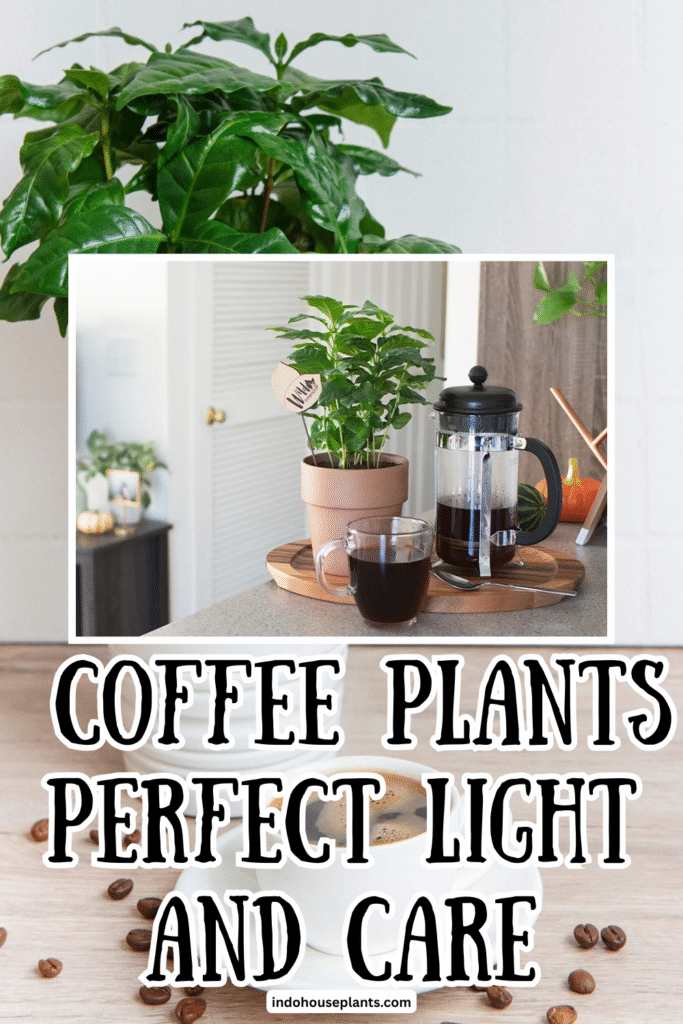
Finding the sweet spot for your coffee plant isn’t just about following a rule book—it’s more like tuning in to a living, breathing companion that thrives on a certain kind of light and care. I’ve had my coffee plant go through a lot of homes, and what I’ve learned is this: the right placement can make or break its vibe, and that vibe is all about bright, gentle sunshine without the harshness.
Learning From Its Natural Habitat
Picture this: coffee plants are rainforest dwellers. They love that filtered, dappled light, hanging out under the leafy canopy of bigger trees. So straight-up blasting afternoon sun? That’s a no-go.
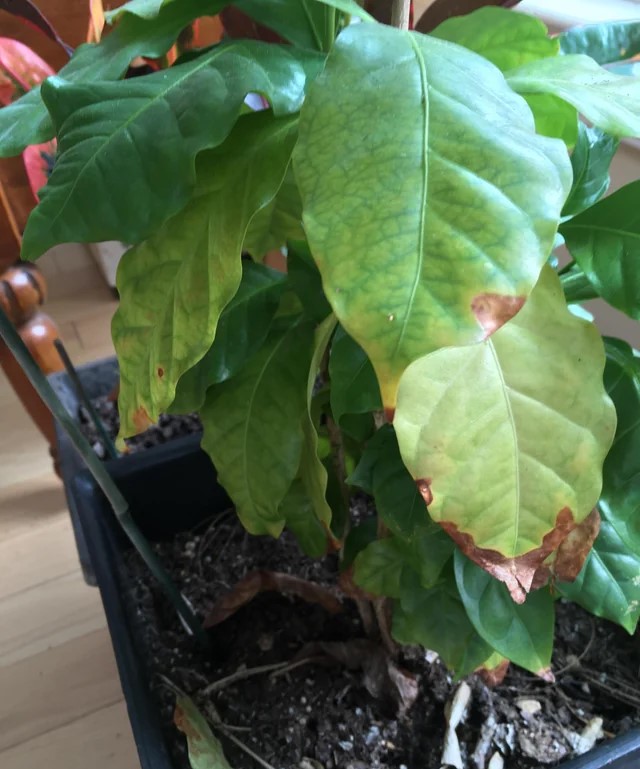
I once left my coffee plant on a west-facing windowsill during summer, thinking it would soak up all the good light. Thirty minutes later, my leaves looked like they went through a bonfire—crispy, brown edges that made me panic. Moving it just a few feet back and adding a thin curtain changed everything. The leaves perked up, the color deepened, and the growth got sturdier.
Finding the Perfect Light Indoors

Here’s the thing most people don’t realize: it’s not just about putting the plant next to a window, but about catching the right kind of light and protecting it from extremes. East-facing windows often deliver that softer morning glow that coffee plants seem to drink in happily.
But even then, I don’t just shove mine right on the sill; I give it breathing room—about a foot or two back—and if the morning sun gets too intense, a sheer curtain becomes the plant’s best friend.
Creative Solutions for Harsh Light
If your only options are south or west windows with blazing afternoon sun, get creative. I’ve set my coffee plant on a small rolling stand near the window so I can pull it back a few feet during peak sun hours—sort of like giving it a sunbreak.
Alternatively, a translucent curtain acts like the rainforest canopy for your plant, breaking up the sunlight into a soft, nurturing glow. The difference is night and day.
The Supporting Cast: Temperature & Humidity
Temperature and humidity also play surprisingly big roles. My coffee plant’s leaves started curling and browning during a dry winter when the heater was running non-stop. After I introduced a humidifier nearby and placed the pot on a pebble tray with water, those crispy edges began to shrink back and the leaves regained their glossy green look.
Grouping plants together is another neat trick I picked up—it creates a mini jungle effect that boosts humidity naturally. For more on this, the Missouri Botanical Garden has a great guide on increasing humidity for houseplants.
Watering in Harmony with Light
For watering, the rule I swear by is simple: check the top inch of soil with your finger. If it’s dry, it’s time to hydrate. Coffee plants don’t like soggy feet, so well-draining soil and a pot with drainage holes are your best allies.
When your plant gets more bright indirect light, the soil will dry faster, so be ready to adjust watering frequency seasonally. I learned this the hard way when my coffee plant turned yellow and slow-growing—not because I under-watered, but because I overdid it.
Quick Troubleshooting Guide
A quick heads-up on common problems: brown leaf tips usually mean dry air or too much fertilizer; yellow leaves often signal too much sun or erratic watering; and leggy growth screams, “I need more light!”
If your coffee plant looks like it’s sending SOS signals, start by reassessing its spot. More often than not, a little tweak in placement and humidity fixes these issues faster than you’d expect.
The Reward of Attentive Care
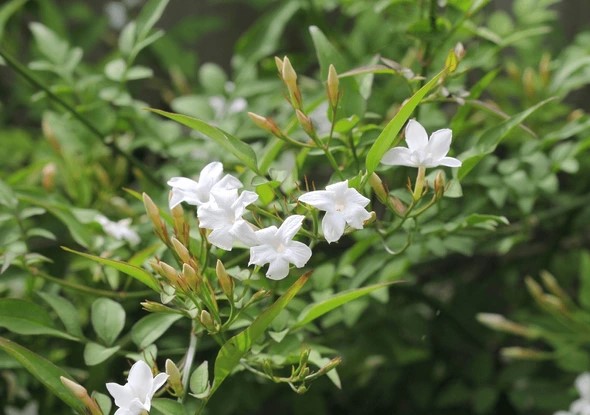
The joy of growing a coffee plant lies in these small adjustments—each move you make shows you’re tuning into its unique needs. I remember the first time my coffee plant bloomed little white flowers—it was pure magic, a moment that made all the trial and error worth it.
Your Quick-Start Placement Guide
Ready to give your coffee plant the home it deserves? Take a look around your space for a spot near an east-facing window or where light floods softly but never blasts. If you’re dealing with harsh afternoon sun, step it back 3-5 feet or pull a sheer curtain to create that perfect light filter.
Keep your indoor climate cozy—between 65-75°F—and boost humidity if your air feels dry. And finally, water thoughtfully when the soil’s top inch feels dry.
With a bit of attentive care and the right location, you’ll watch your coffee plant thrive—turning from a fragile seedling into a lush green centerpiece that brightens up your room and your day. You’ve got this.