When I first stumbled upon acanthus, it was during a trip to Rome, standing beneath the soaring Corinthian columns of the Pantheon. Those delicately carved leaves curling around the capitals caught my eye, but I had no idea they were inspired by a plant I’d never heard of.
That moment sparked a fascination not just with the plant itself, but with how nature seeps into art and architecture in such timeless ways.
What Is Acanthus, Really?
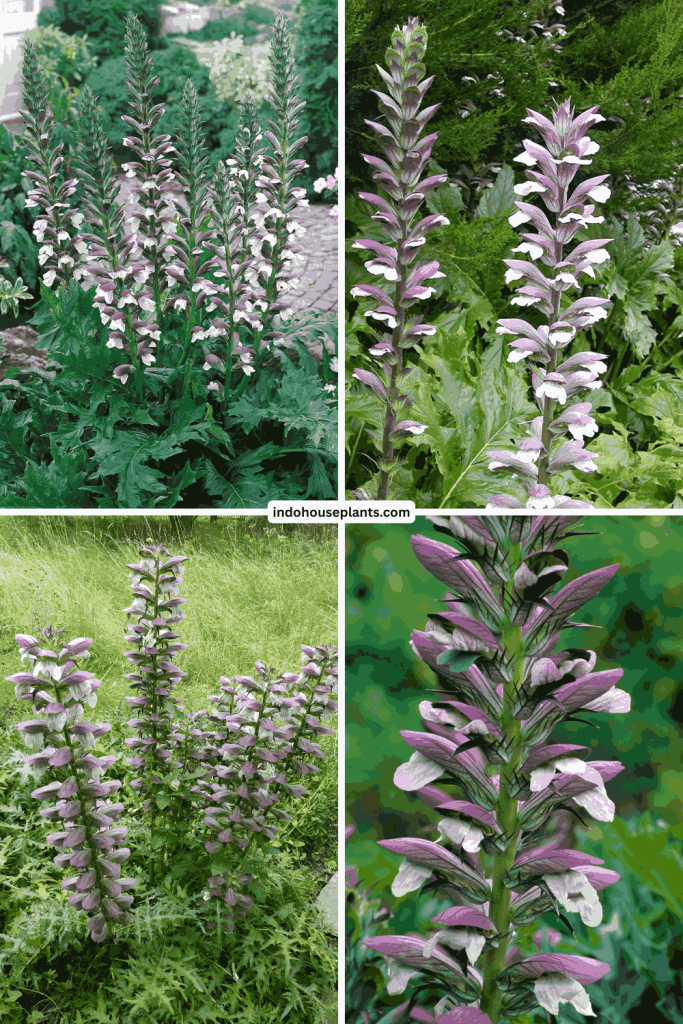
AAcantus is this remarkable Mediterranean native known mostly for its bold, deeply serrated leaves—think large, spiky greenery with a sculptural quality. Acanthus mollis, or bear’s breeches (as gardeners like to call it), is the star player here.
Unlike your typical garden shrub, acanthus leaves have this architectural presence all on their own. They’re almost like natural sculptures.
Why Should You Care About Acanthus?
Here’s what most people don’t realize: acanthus isn’t just a pretty plant or an ancient design motif. It’s a bridge between the organic world and human creativity, showing up at the crossroads of gardening, art, and architecture.
When I started gardening, I planted a small patch of Acanthus mollis in a dim, neglected corner of my backyard. What I quickly noticed was how its large leaves gave the space an eye-catching drama even when no flowers were blooming.
Unlike delicate flowers that fade fast, acanthus stands out with its architectural leaves all year round. It’s like having a living work of art that grows and changes with the seasons.
The Unexpected Power of Acanthus in Design
The classic Corinthian column capital showcases acanthus in its most famous form. Ancient Greek and Roman architects didn’t just randomly pick these leaves—they admired how the plant’s complex leaf shapes gave their buildings a sense of vitality and elegance.
Walking through historic sites or museums, you can spot acanthus motifs carved not only on columns but on furniture, metalwork, and textiles. Each carving tells a story of nature inspiring human craft.
Here’s a tip that transformed my perspective: next time you visit a museum or historic building, focus on the details of column capitals and then compare them side by side with photos of actual acanthus leaves. Notice how the leaf forms have been stylized but still capture that lively edge and texture. This exercise deepens your appreciation for ancient craftsmanship.
Using Acanthus in Your Life and Garden
If you’re a gardener or just someone who wants more green impact without fuss, planting acanthus is something I genuinely recommend. It grows best in partial shade and likes well-drained soil.
From my experience, once established, it’s a resilient plant that handles temperate climates with ease and needs minimal upkeep. Plus, the plant’s dramatic foliage can hide less attractive garden areas and adds texture that most flowering plants can’t match. You can find excellent growing tips from the Royal Horticultural Society.
For anyone interested in art or design, digging into how acanthus motifs appear beyond architecture can be surprisingly rewarding. I found myself uncovering acanthus-inspired patterns on antique wooden furniture in my family home or even in wrought iron gates on neighborhood walks. It’s a subtle, elegant detail that adds classical flair.
Some Things I Wish I Knew Earlier
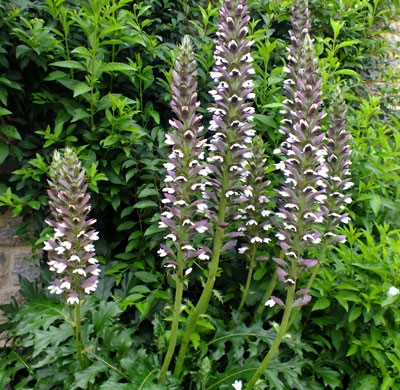
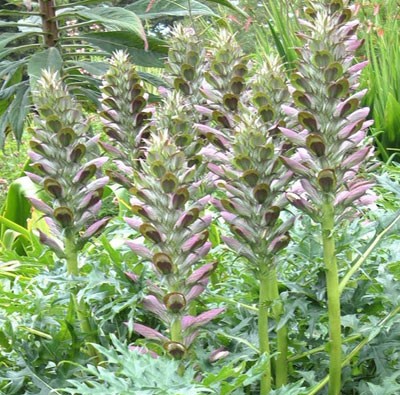
- Not all acanthus imagery perfectly reflects the plant itself. Architectural artists often stylize the leaf, simplifying or exaggerating parts for visual effect. If you want a fresh perspective, look up Acanthus mollis photos to ground yourself in what the real plant looks like.
- Growing acanthus is easier than it seems. I once hesitated because its size intimidated me, but a handful of plants can create an impactful presence without overwhelming your garden.
- If you think acanthus is purely ornamental, consider its historical medicinal uses. It wasn’t mainstream medicine, but some cultures used acanthus in remedies—a reminder of how plants can serve multiple roles.
Why This Matters to You, Personally
Understanding acanthus isn’t just about botany or history—it’s about seeing the subtle relationships between nature and human expression. Whether you’re a gardener looking for a statement plant, a designer seeking inspiration, or a history lover intrigued by classical art, acanthus offers a tangible connection to centuries of creativity.
Even if you don’t plant it or study columns up close, simply knowing what acanthus is changes how you notice details in your environment. That leaf pattern on a lamp stand or the curve of a garden border might suddenly carry newfound meaning.
What You Can Do Next
- Find some acanthus plants or seeds, preferably Acanthus mollis, and put them in a shady or semi-shady spot in your garden or balcony. Watch how the leaves unfold into natural sculptures over time.
- When traveling or visiting local museums, pay close attention to Corinthian columns or furniture carvings. Try sketching or photographing acanthus leaf details to deepen your observation skills.
- Explore classical architecture books or online galleries, like the Metropolitan Museum of Art’s website, focused on the Corinthian order. Understanding the role acanthus plays in those columns can open a door to appreciating other botanical influences in design.
Acanthus has been part of human culture for thousands of years, quietly inspiring beauty in stone and leaf. When you embrace it, you’re tapping into a legacy of blending nature’s forms with human imagination, and in doing so, you add a layer of richness to how you see the world around you.