When I first fell for Chinese evergreens, it wasn’t just their elegant leaves that hooked me—it was how unexpectedly easy they are to style in a way that feels both lush and thoughtfully curated. Those variegated leaves, patterned with silvers, reds, and deep greens, make it almost impossible to create a boring display. What took me a while to realize, though, is that the magic is in the layering and texture contrasts—things that go beyond just picking pretty plants.
How to Craft a Chinese Evergreen Display That Feels Alive
1. Really get to know your plants before arranging them
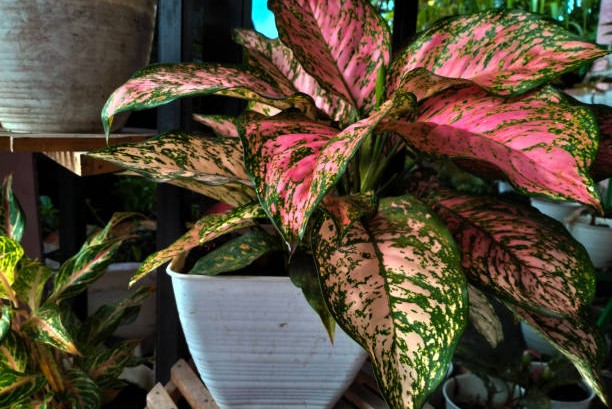
Sure, Aglaonemas vary in color and size, but what’s fascinating is how their individual leaf textures can invite an interplay of light and shadow. ‘Maria’ has that delicate, almost translucent quality, while ‘Cutlass’ throws down broad, bold leaves.
If you’re like me and love to experiment, take a moment after you bring your plants home—hold the leaves up to the light, observe how they move when you breathe on them. This curious exercise helps you see which plants will complement each other when grouped.
2. Layer like you’re setting a stage
Instead of just stacking from tall behind to short in front, try creating gentle arcs or semi-circles that the eye wants to wander through. On a shelf near a northeast window, I arranged ‘Silver Bay’ in the center back, then arced ‘Maria’ and ‘Red Siam’ around it.
This arrangement felt dynamic—like a small tropical vignette, rather than just a line-up. Adding a bit of height variation doesn’t have to mean towering—sometimes, subtle shifts of just a few inches entice the eye to keep looking.
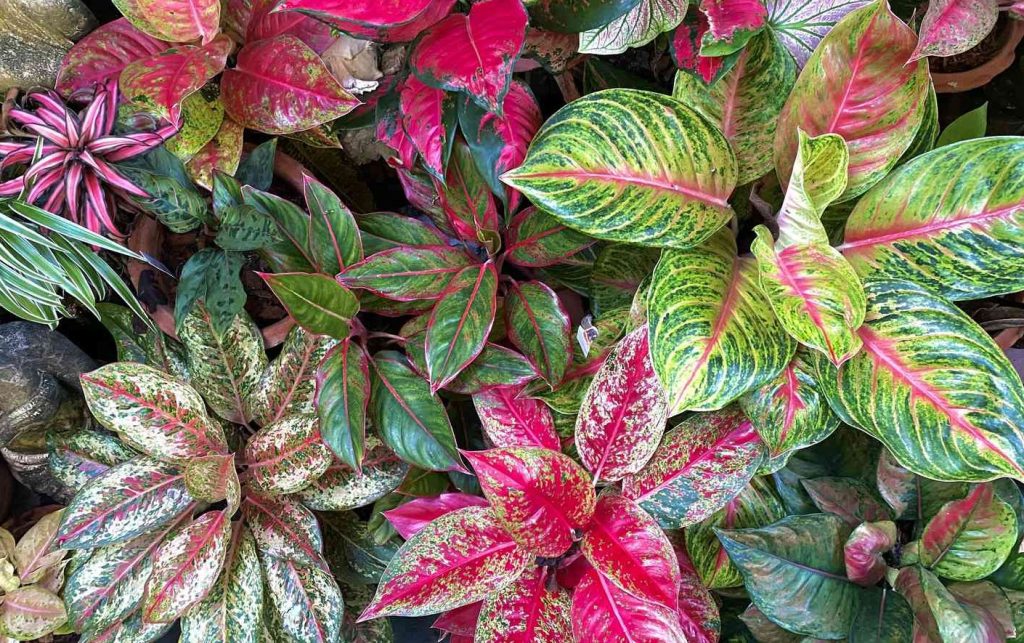
3. Think of leaf patterns and colors as your palette
I learned early on that pairing silver-marbled leaves next to pure deep reds brings a sense of drama, but layering in a plant with soft green margins or tiny splashes of pink can feel like punctuation marks in your display. That contrast prevents your grouping from feeling flat or overly “matched.”
And here’s what most people don’t know: the way leaf textures interact with light changes throughout the day, so placing your display where morning sun filters gently in will make those patterns glow differently into the afternoon.
4. Don’t underestimate the power of your pot choices
For years, I defaulted to fancy pots that shouted for attention. After some trial and error, I switched to simple, neutral planters and suddenly the plants’ natural beauty took center stage. A matte terracotta pot or a smooth white ceramic lets the leaves sing.
Sometimes I swap out pots seasonally to freshen the look, without having to replant or overhaul the whole display.
5. Location is everything—but not in the way you might think
Chinese evergreens do well in low light, but if you want those gorgeous variegations to really jump, aim for bright, indirect light. I once tucked a group under a skylight with sheer curtains, and the fleeting dappled sun created a mini rainforest vibe on my desk.
If you don’t have great natural light, invest in a quality LED grow light that mimics daylight spectrum. Your plants will reward you with richer colors—and you’ll get to watch those tropical patterns deepen over time.
Real Setup Ideas You Can Try
- Breakfast nook highlight: A tall ‘Maria’ in the corner with ‘Silver Bay’ cascading beside it and a small ‘Cutlass’ on a stepped stand. Throw in a handwoven basket pot for texture and you’ve got a cozy jungle nook to start your day.
- Office refresh: I like a no-fuss duo—a ‘Silver Bay’ with glossy silver leaves paired with a squat ‘Red Siam.’ The contrast wakes up a plain desk and helps my mood on stressful days.
- Hallway vignette: On a narrow console table, create a cluster of four plants of varying heights, including some trailing pothos to frame the display. Switching up the heights and leaf shapes creates a sense of movement that directs guests’ attention down the hall.
Troubleshooting Tricks from Experience
- Yellowing leaves? It’s usually a balance thing: they hate soggy feet but want consistent moisture. I once overcorrected by watering more to fix dryness and ended up with soggy roots. Adjust slowly—feel the soil a couple of inches down, then water when it’s dry at that depth.
- Dull colors? Your plants could be begging for more light. I moved an otherwise sad-looking ‘Red Siam’ closer to a bright window, and within a week, the red deepened remarkably. If natural light is scarce, a small grow light setup can do wonders.
- Leggy growth? This happens when your plants chase the light. I rotate mine weekly—not just for symmetry, but because the leaves grow evenly, which means fuller, bushier displays.
Why You’re Already Doing Great
Chinese evergreens are the ultimate “beginner’s tropical”—their resilience is almost comical. I’ve had friends who forget to water for weeks, only to find their plants bouncing back like champs. Your interest in making them look beautiful means you’re already ahead of many plant owners who don’t tune into styling or care. That combination of resilience and style potential is a gift.
Try This Right Now
- Grab two or three Chinese evergreen varieties at your local nursery (or even online). Look for contrasting colors and leaf shapes.
- Pick an area with bright, filtered daylight—by a window or under grow lights.
- Use different-sized pots or plant stands to build height.
- Arrange taller plants like a ‘Silver Bay’ at the back or center and layer shorter ones like ‘Red Siam’ up front.
- Water when the top inch of soil feels dry, but don’t obsess—these plants forgive common mistakes.
Once you’ve set up your first display, take a step back and look at it again the next day. Watch how the light plays on the leaves at different times—that’s where the real magic lives. Your space begins to feel more alive, and that’s the best reward of all.