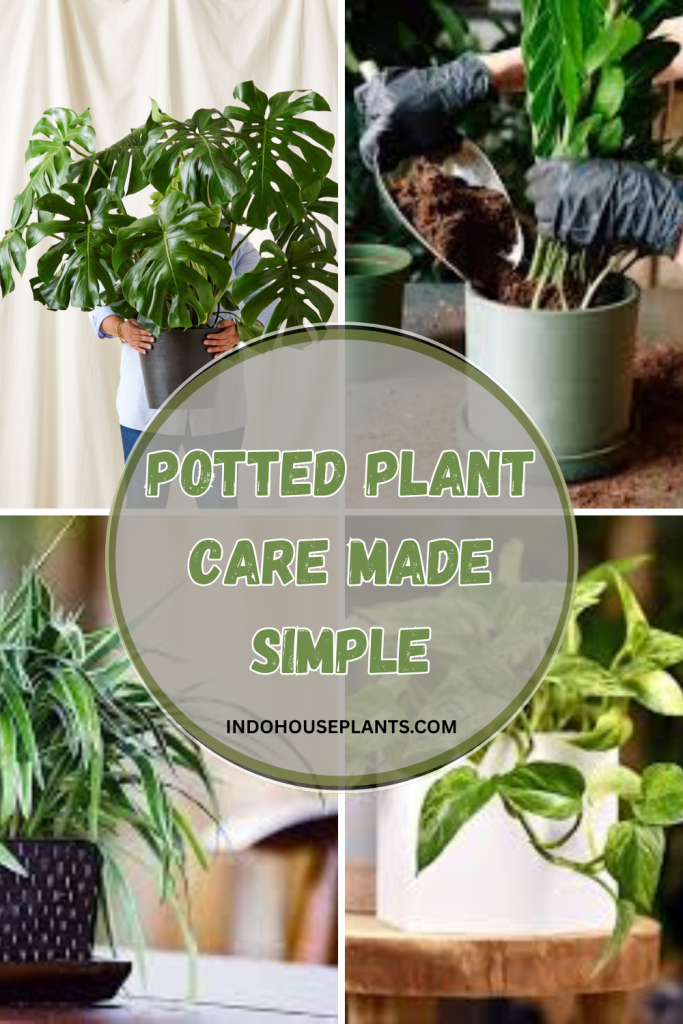
You know, before I get into specifics, let me break this down as simply as possible—because honestly, most advice about potted plants makes them sound like scientific experiments or fragile Victorian pets. Here’s the truth, step by step: potted plants aren’t dramatic—they just have a few real needs that even busy (or forgetful) people can manage.
I remember my first “serious” plant—a jade cutting in a mug from the thrift store. I coddled it like it was a rare rainforest orchid… and boy, did it wither fast. Do you know what nobody told me? That mug had zero drainage. All my careful watering and sun-rotating was basically hydro-torture for those poor roots.
Think of it this way: What feels fussy—soil mixes, watering logs, root aeration—comes down to helping your plant breathe and drink without drowning. That’s all.
The Three Unbreakable Rules (The Rest Is Just Optional)
1. Holes In The Bottom (Seriously. That’s Most Of It.)
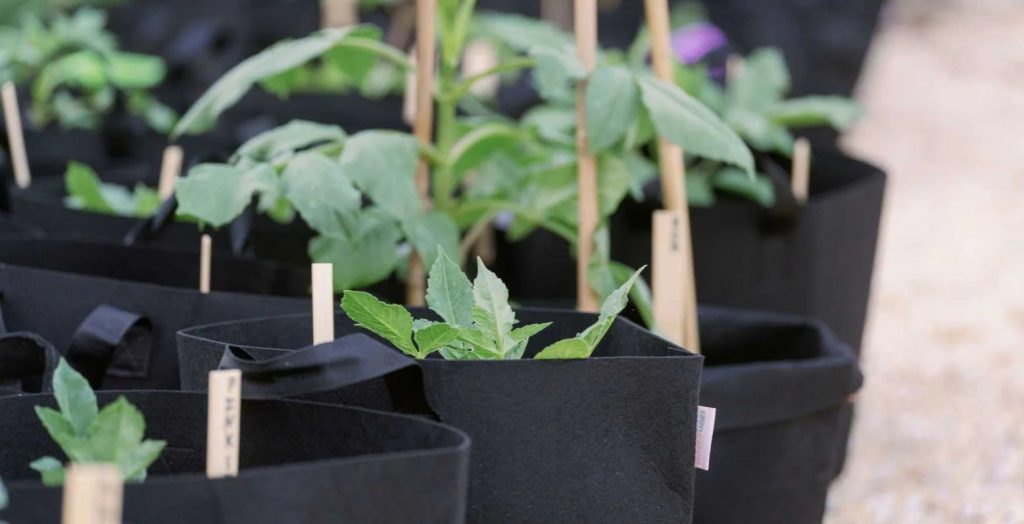
This is where most pretty Instagram posts lie to you—a pot without holes is like putting sneakers on in a puddle and expecting your feet to stay dry.
- Personal confession: Once, desperate for an aesthetic windowsill shot, I tried drilling holes with a steak knife (bad idea; don’t recommend). That plant survived only because I eventually gave up on style and put its plastic nursery pot inside the trendy “no-hole” one.
- Insider trick: Save the clear plastic pot your new plant comes in! Set that inside any outer container you want…and take it out every couple weeks for cleaning/draining if needed.
2. Use Fresh Potting Mix, Not Just “Dirt”
When experts talk about soil composition with five-syllable words (“perlite,” “vermiculite”), just remember: plants need their roots to breathe. A bag labeled “potting mix” is plenty for most houseplants—that alone gives them fluffy air pockets so they won’t suffocate.
- Here’s what most people don’t know: If your plant looks limp or sad despite light and water, try repotting into FRESH mix even if it’s still in season—the difference is night-and-day.
- Step by step: Tilt out the plant (gently!), loosen the root ball with your fingers (it feels like untangling yarn), shake off old clumps, then plop into new mix up to its old soil line.
[IMAGE: Close-up of roots being loosened during repotting]
3. Watering—Let Your Finger Decide
Old-school advice always said “water every Tuesday,” but here’s why that fails: summer heat dries pots faster than winter windowsills! You wouldn’t wear the same sweater year-round; plants get thirstier or lazier too.
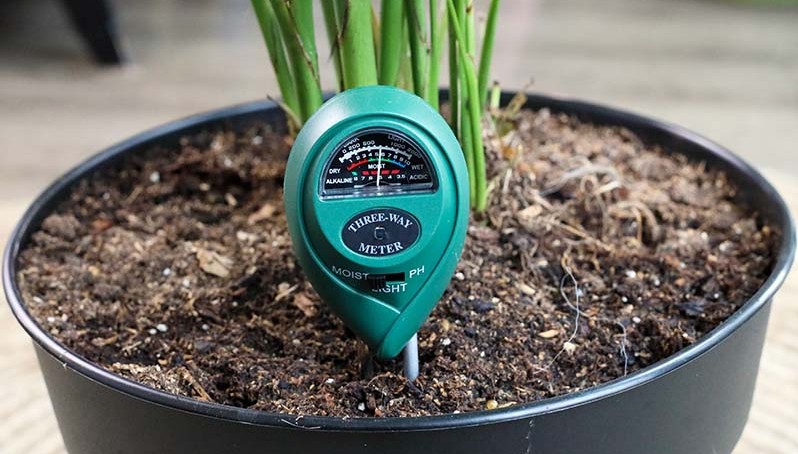
My method since 2019: Slow down for ten seconds before watering—poke your finger in up to the first knuckle.
- If it’s bone dry? Time to water deeply, until you see drips from below.
- If there’s still dampness? Wait another day or two.
No shame in putting off a watering—it prevents way more problems than over-love.
Bonus tip: I keep an old espresso spoon next to my pots as a mini trowel/soil tester—saves me from dirty fingernails during lunch breaks!
Real-Life Plant Wins & Facepalms
Let’s make sure no question feels silly here:
My niece started with supermarket basil on her dorm windowsill
She forgot about it for ten days during finals…and yet when she pushed aside her textbooks after her last exam, THAT PLANT WAS STILL ALIVE. Why? Drainage holes at the bottom plus fresh soil meant extra water could escape instead of turning roots to mush.
At one point I had six spider plants crammed into leftover yogurt tubs
(I even poked holes through with heated nails over my stove.) They genuinely multiplied like little green rabbits—each time they got rootbound and droopy, all they needed was a quick repot in bigger containers and back they bounced up.
No schedule apps required—my system became: check them Sunday while my coffee brews.
Here’s What Most People Don’t Know:
- Some so-called “fancy” planters are designed for display only—use an internal liner always!
- Old potting mix turns sour—not just compacted—which can smell musty and slow new growth.
- Forget adding pebbles at the bottom; unless you’re growing tomatoes outside with buckets prone to flash floods, they don’t improve drainage much inside (in fact, recent studies show rocks might actually reduce space for roots).
Also: brand doesn’t matter much for indoor potting soil—I’ve had $3 Walmart bags outperform expensive blends more often than not!
Step By Step: Potted Plant Success At Home
- Pick Any Plant
- Snake plants (a.k.a. Sansevieria) are basically green sculptures—you can forget them half of winter.
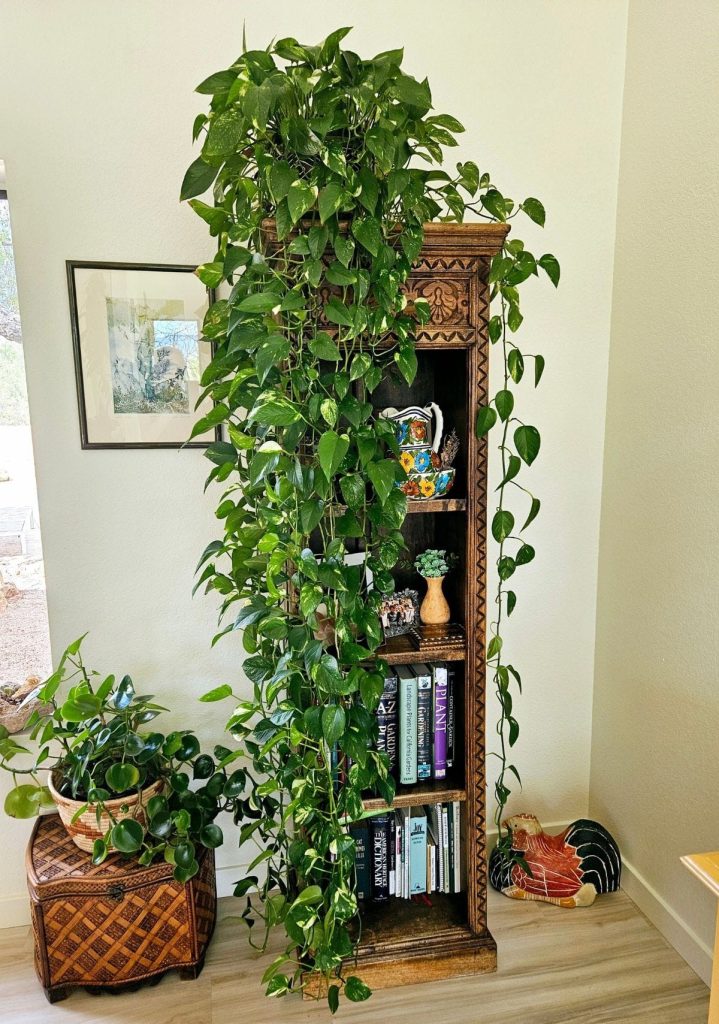
- Pothos act tough even under fluorescent lights in office corners.
- Choose An Easy Container
- Plastic nursery pots + outer cachepot = zero risk of root rot and lets you swap arrangements for fun.
- Get Fluffy Potting Mix
- All-purpose works fine unless label specifically says “succulent.”
- Find A Spot With Some Light
- Skip obsessing over direct vs indirect sun at first; late morning window sills win by default.
- Water Only When Dryish
- Ignore charts—poke soil weekly; adjust during heatwaves or cold snaps.
- Forgive Yourself For Mistakes
- Nobody gets every watering right every time—even seasoned growers lose one occasionally!
If you’re ever standing there feeling overwhelmed by conflicting advice (“Does this fiddle leaf fig need filtered rainwater only???”), relax—all those expert details only start mattering after the basics above are firmly routine.
And remember: no question is silly—not here! This isn’t about perfection—it’s supposed to bring some daily joy into your home…dirt smudges and all.
When in doubt? Give yourself credit for keeping something alive amid all life throws at you—and just ask away next time you hit a snag! Happy planting.