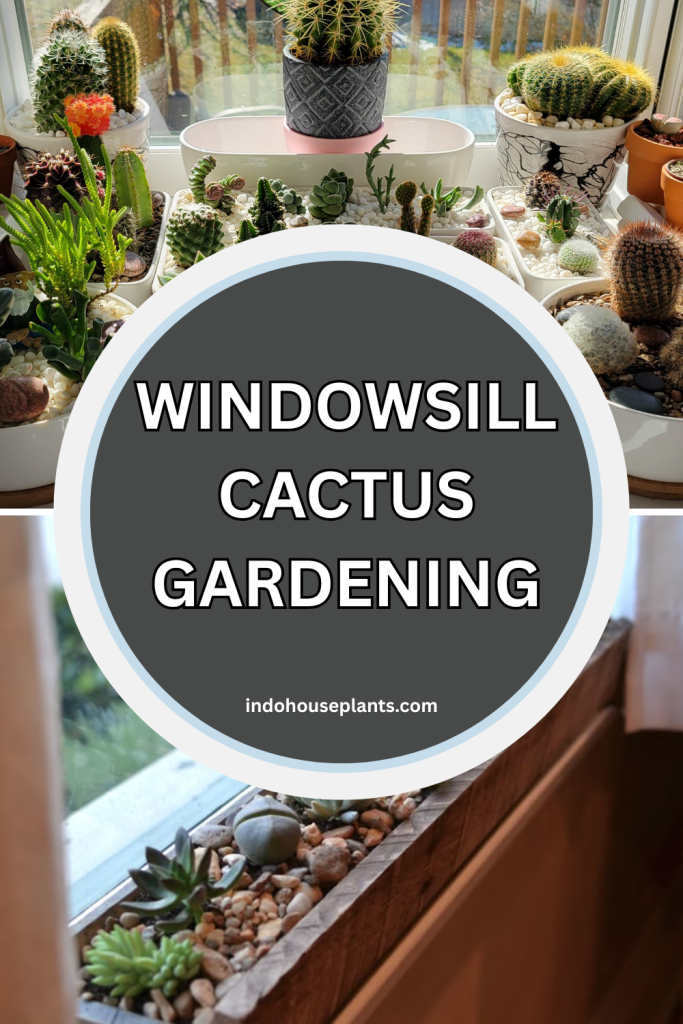
There’s something quietly addictive about cultivating a little desert oasis right on your windowsill. Over the years, I’ve found that growing cacti indoors is less about rigid rules and more about tuning into your plants’ subtle signals. Think of your cactus garden as a living puzzle—you’re part botanist, part detective. When done right, a cactus windowsill garden isn’t just a collection of spiky plants; it’s a daily dose of calm, a touch of nature’s resilience in your hectic space.
Why Cacti and Why Windowsills?
Here’s what most people don’t know: while cacti do thrive on bright light, they actually prefer filtered direct sunlight indoors. That means harsh midday sun, especially through glass, can sometimes cause more harm than good if you jump straight in without gradually acclimating them.
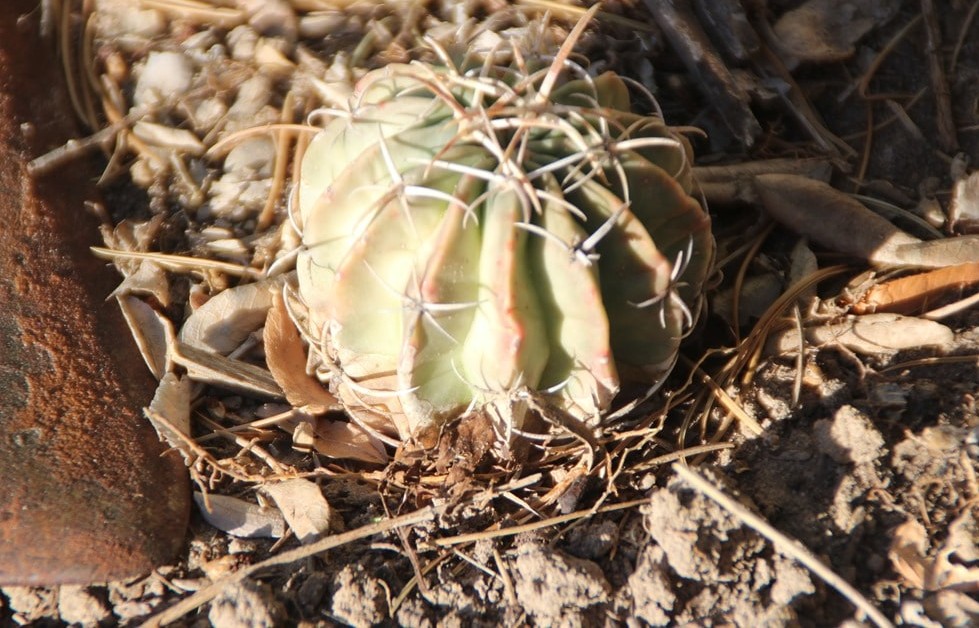
I learned this firsthand with a stout little golden barrel cactus I welcomed to my west-facing windowsill—it got sunburned after one scorcher of a weekend. My advice? Start your cactus off with morning or late afternoon light, and slowly increase their exposure over a week or two.
Picking the Perfect Spot
Not all windowsills are equal. South-facing windows are the gold standard because they bring consistent light, but if you live in a climate with intense summer sun, a west-facing sill with gentle afternoon rays can be just as magical.
Something you don’t hear often: windows in older buildings sometimes have UV protective coatings that reduce light intensity, which can subtly starve your cacti over months. If your cactus starts looking leggy or pale despite being by a sunny window, think about swapping that spot or supplementing with a small LED grow light.
Choosing Your Desert Friends
In the beginning, simplicity is your best friend. Mammillaria varieties—those tiny, globe-shaped cacti studded with white spines and crowned with delicate flowers—are surprisingly forgiving.
Fun tip: I like to mix in a couple of Haworthias—not technically cacti but close cousins with similar care needs. Their rosettes add amazing textural contrast on the sill.
Pot Choices Matter More Than You Think
Forget plastic pots—terra cotta is where it’s at. The porous material helps wick moisture away from roots, a critical factor because soggy roots are a kiss of death for cacti.
If you want to up your game, consider shallow and wide pots. Cacti tend to have shallow roots, and this shape encourages them to spread out naturally.
Watering—Less Is More
Watering cacti is where most beginners trip up. Unlike your typical houseplants begging for weekly drinks, cacti are minimalists. I like to use the “finger test”—if the top inch of soil feels dry, it’s time to water.
Temperature and Airflow—Unseen, Yet Crucial
Cacti thrive in the 65-85°F temperature zone, but what matters even more is airflow. Stagnant air can encourage fungal problems.
Fertilizing—The Occasional Treat
You don’t need to get fertilizer crazy, but a light monthly feeding during spring and summer gives your cacti an energy boost.
Keeping Your Cactus Happy Over Time
Rotate your pots every few days or weekly. Cacti lean toward the light (called phototropism), so rotating helps them keep a neat, balanced shape.
Real-Life Wins
A friend of mine, Lisa, had a north-facing window and swore she couldn’t grow anything there. She tried a few succulents but they all stretched out and got weak. Then she switched to tiny cacti varieties—Haworthia and Parodia—and used a small LED grow light for a couple of hours every morning.
Troubleshooting Through Experience
- Stretchy, pale cacti? Not enough sun or too much shade.
- Brown spots? Often sunburn or fungal infections.
- Wrinkled or shriveled? Usually thirsty.