It seemed like something only grill masters cared about. But once I stumbled upon biochar, everything changed. It’s like giving your soil a secret superpower—one you won’t see overnight, but over time, it reveals itself in tougher plants, better moisture retention, and a thriving underground ecosystem.
What Makes Charcoal So Special for Soil?
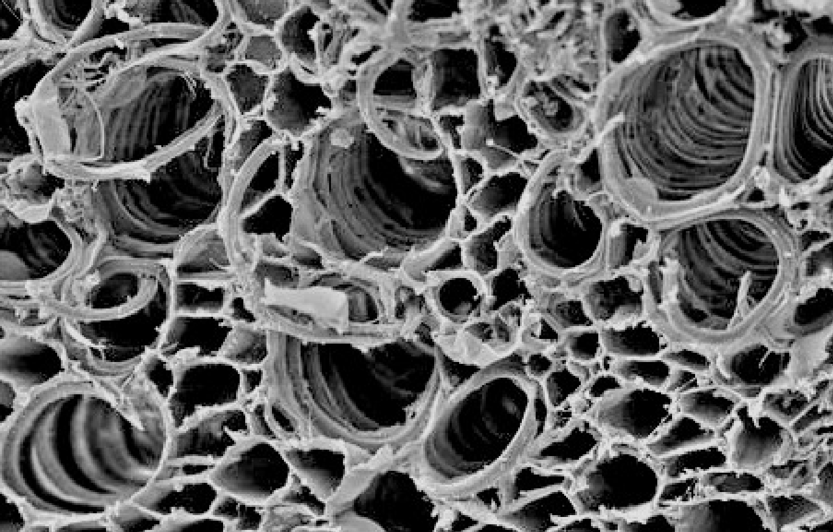
Let me clear up a common misconception: not all charcoal is created equal. The charcoal you use on your barbecue—maybe with lighter fluid and additives—is a world apart from biochar, which is made by slowly heating organic material without much oxygen. This creates a kind of carbon sponge for your soil, packed with minuscule pores that trap water, nutrients, and even microbes.
Here’s what’s fascinating: those pores aren’t just passive storage spots. They act like a cozy apartment complex for beneficial microbes, the little guys who break down organic matter and turn nutrients into a plant’s favorite food. Most people don’t realize that biochar is as much about fostering microbial life as it is about improving soil texture.
What I’ve Seen Biochar Do in Real Gardens
Years ago, I helped a friend with a tired tomato patch. The soil was heavy clay and would either flood in rain or crack and dry out in sun. We decided to mix in about 10% biochar from hardwood leftover from a local sawmill. The difference was remarkable—not just once, but season after season.
The tomatoes didn’t just survive drought spells better; they seemed to bounce back faster after watering, almost like the soil was holding onto every drop. The harvest was noticeably larger, and the flavors richer, which I like to attribute to that slow-release nutrient magic biochar encourages.
Then there was a small urban farm I worked with, struggling with compacted soil. Introducing biochar along with their homemade compost changed the game. Their soil became lighter, easier to work, and the increase in earthworm sightings was a surprise bonus—earthworms are nature’s tillers, and seeing more of them is a reliable sign that you’re on the right track.
How Charcoal Works Its Magic in Your Soil
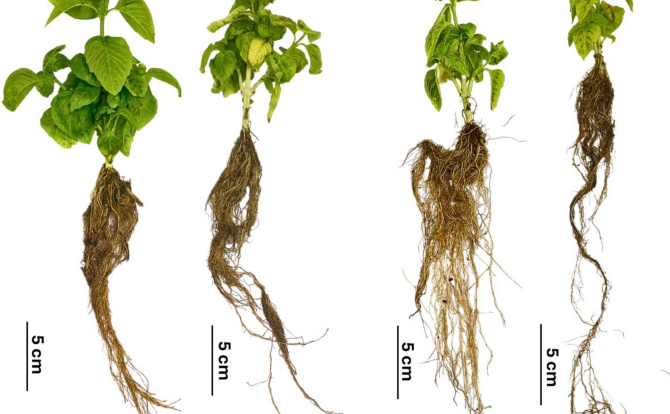
- Breathing Room for Roots: If you’ve ever tried growing plants in hard clay and felt frustrated, biochar’s porous nature literally creates air pockets that roots crave. It’s the difference between suffocating and thriving underground.
- Water’s Best Friend: In a time where water conservation is critical, biochar acts like a natural reservoir. The tiny pores soak up excess water during rains but hold it tightly enough that it doesn’t just run off, making moisture available to plants longer.
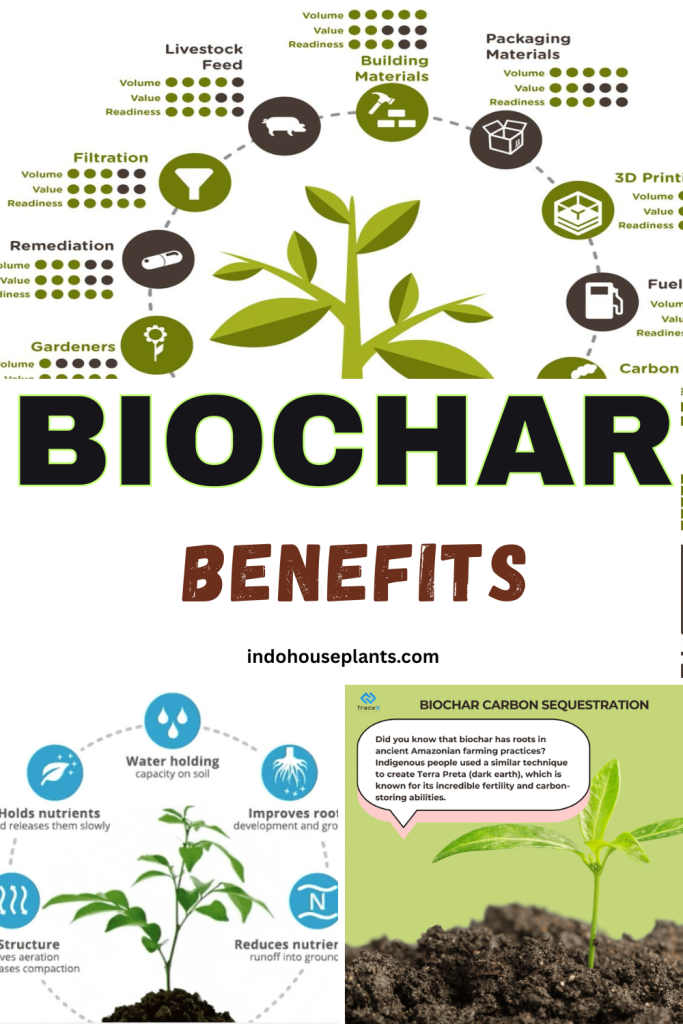
- Nutrient Bank Account: Nutrients don’t just wash away so quickly when biochar’s around. It captures minerals like nitrogen, phosphorus, and potassium, then releases them gradually. Think of it as smoothing out the peaks and valleys of nutrient availability.
- Microbial Housing: You can think of biochar like a tiny luxury apartment complex for microbes, who are the unsung heroes of soil health. They colonize the pores, improving nutrient cycling and boosting your plants’ resilience.
[IMAGE: Diagram of biochar’s structure and how it interacts with soil]
The Downside Most Don’t Talk About—And How to Handle It
A big “aha” moment for me was realizing biochar isn’t a magic fix—you have to prep it properly. If you throw dry biochar straight into your soil, it can initially soak up nutrients so aggressively that your plants starve, at least for a short time. This caught me off guard when I tried it without conditioning.
The trick? “Charging” your biochar before planting. I like soaking mine in compost tea or mixing it with rich compost or manure for a week. This fills those pores with nutrients and helpful microbes, preventing that nutrient tie-up problem.
Also, starting small is key. Biochar can dry out sandy soil if you overdo it, so I recommend beginning with 5% by volume and adjusting as you learn how your soil responds.
A Few Personal Tips for Getting the Most from Biochar
- Source Matters: Find biochar made from hardwood or agricultural residues, made through controlled pyrolysis. Local suppliers or community gardens sometimes have neat sources, and buying in bulk often makes it more economical.
- Mix, Don’t Just Sprinkle: I’ve seen folks toss biochar on the surface, hoping it finds its way down. For true benefits, mix it thoroughly into the root zone.
- Combine with Compost: Your soil’s health is a recipe—biochar isn’t a lone ingredient. Combining it with quality compost and organic matter amplifies results.
- Track Your Progress: Keep a simple garden journal. I note moisture levels, plant vigor, even earthworm counts. It’s satisfying to watch how biochar changes your soil’s story.
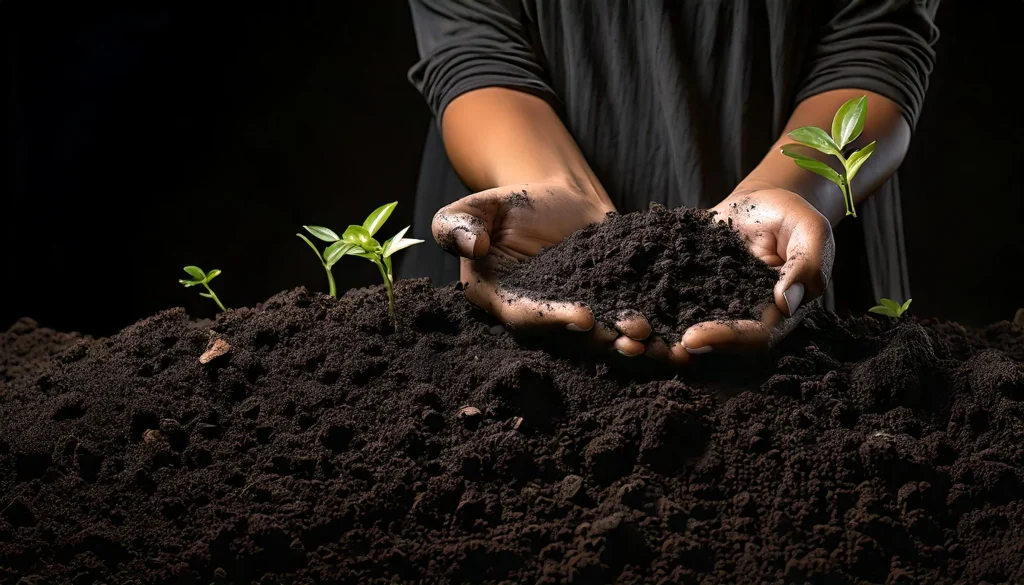
Getting Started—My Step-by-Step for Newbies
- Grab a small amount of biochar—just 1 or 2 gallons to start.
- Soak it in compost tea or mix with compost and let it sit for a week.
- Blend it with your garden soil at about 5-10% volume.
- Plant something familiar—tomatoes or herbs work great.
- Water regularly but observe how much less often you might need to water over time.
- Jot down what you notice—soil texture changes, plant growth, stress tolerance.
Why It’s Worth Your Time
You might not notice biochar’s effects overnight, and that’s normal. Soil health is a long game. But as someone who’s seen it help a struggling urban garden flourish and precious heirloom tomatoes thrive, I can tell you it’s a game-changer.
It feels good knowing your soil is more alive, more resilient, and ready for whatever you want to grow. In a way, biochar connects you to an ancient practice—it’s a nod to the Terra Preta soils of the Amazon, where indigenous people unknowingly built some of the most fertile soils on Earth thousands of years ago.
So go ahead, give biochar a shot. Start small, experiment, and watch your garden say thank you in its own way—with greener leaves, stronger stems, and maybe the juiciest tomatoes you’ve ever tasted.