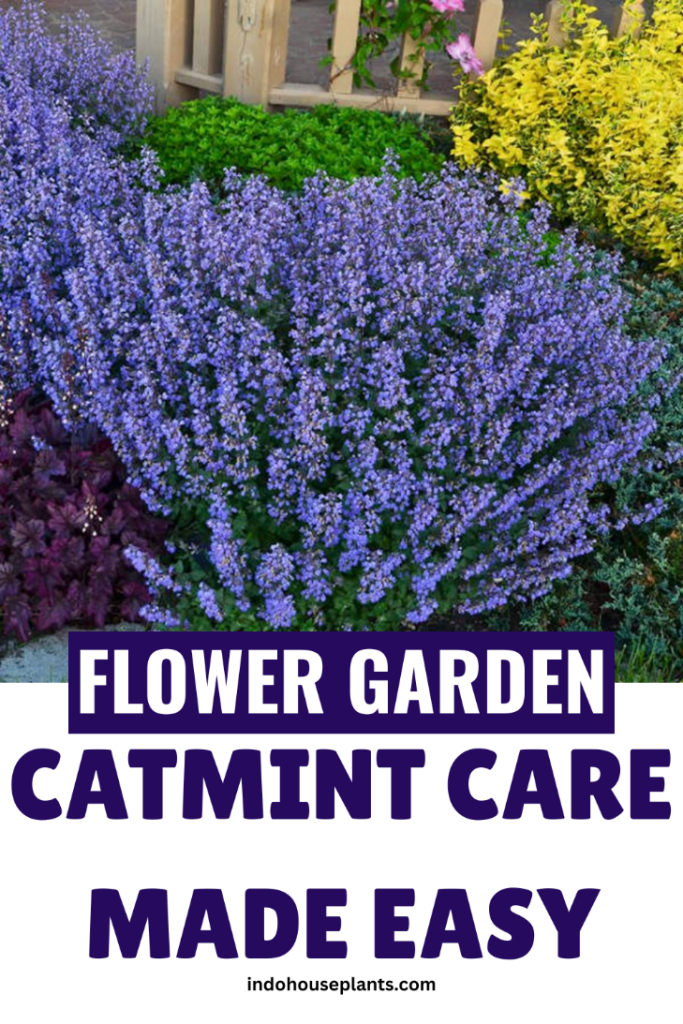
I remember the first time I planted catmint—it was a spur-of-the-moment decision after spotting a patch of wild catmint on a walk. What struck me immediately was how resilient these plants are, and honestly, they don’t demand much fuss once you get a few basics nailed down.
If you’ve ever felt intimidated by planting something new, catmint is a perfect entry point because it’s tough, drought-smart, and pretty much smiles at neglect (within reason).
Choosing the Perfect Spot
Catmint is a sun lover, and not just any sun—it thrives best with a solid six hours of direct sunlight daily. That means those shady corners or spots that only get gentle morning light are less ideal.
I learned this the hard way when I initially planted mine in a semi-shady area and ended up with leggy, straggly growth. Moving it to a sunnier location made all the difference.
For balcony gardeners, placing the pot near your brightest window or outdoors where it can soak in the sun is key.
Soil Prep That Makes a Difference

This is where a lot of gardeners miss the mark. Catmint hates “wet feet,” meaning waterlogged roots that can spell disaster with root rot.
In my first garden, the soil was heavy clay that felt like walking on mud after rain. Mixing in coarse sand and aged compost transformed the soil into a light, crumbly medium perfect for catmint roots.
Here’s a trick: dig a hole and fill it with water—if it takes more than a couple of hours to drain, your soil definitely needs some amending.
Timing & Planting Tactics
Spring is your best friend when planting catmint from nursery starts—aim for after the last frosts but early enough to let the plant settle in before the heat hits.
I tried starting seeds indoors once, and pro tip: don’t rush their move outside. Harden them off by gradually exposing seedlings to outdoor conditions over a week or so.
When planting, loosen those roots gently—plants thrive best when roots aren’t packed in tightly, allowing them to spread naturally. Spacing matters too; I like to keep at least 18 inches between plants to give them room to breathe, which keeps fungal issues at bay.
Watering Like a Pro
Here’s what most people don’t know: catmint loves a deep drink but hates constant sogginess.
After planting, I soak the roots well, then switch to watering sparingly. Once established, the plant truly shows its drought tolerance.
In one particularly dry summer, my catmint barely needed watering at all and still looked great. Overwatering is often the culprit when the plant looks sad or yellow, so err on the side of dryness rather than wetness.
Mulch Smart, Not Heavy-Handed
A thin layer of mulch keeps things just right—moisture in and weeds out. But pile it thick around the stem, and you risk rot.
I keep my mulch a couple of inches away from the base, especially during wetter months. Organic options like shredded bark or leaf mold work beautifully.
Real-life Wins
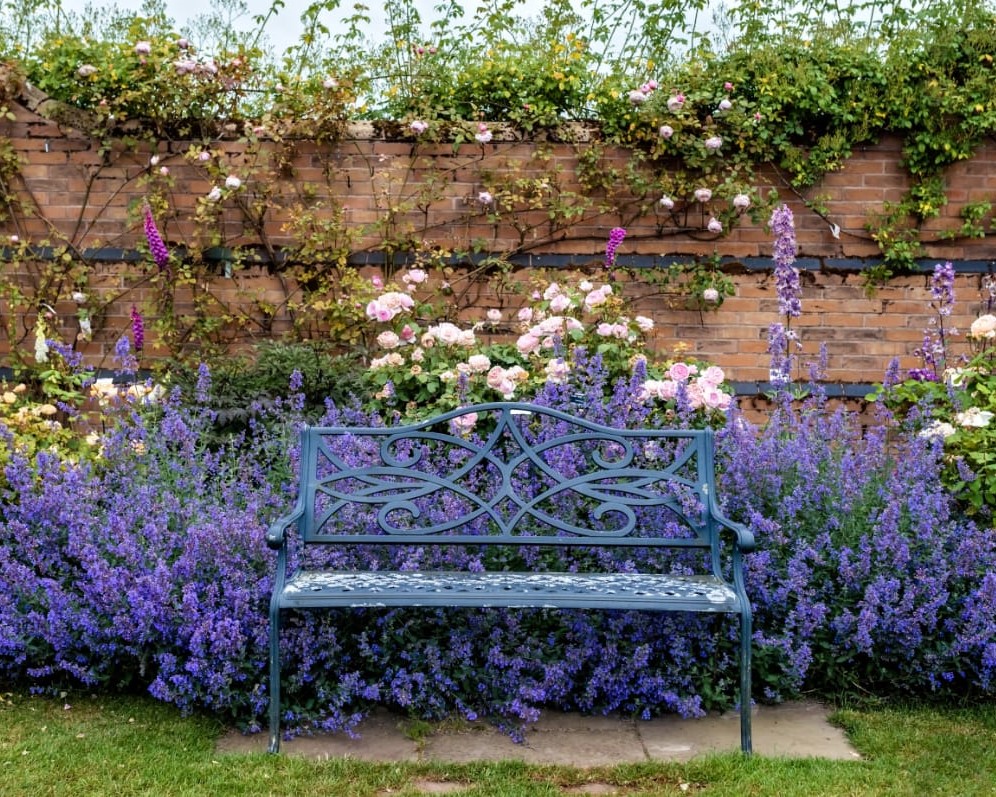
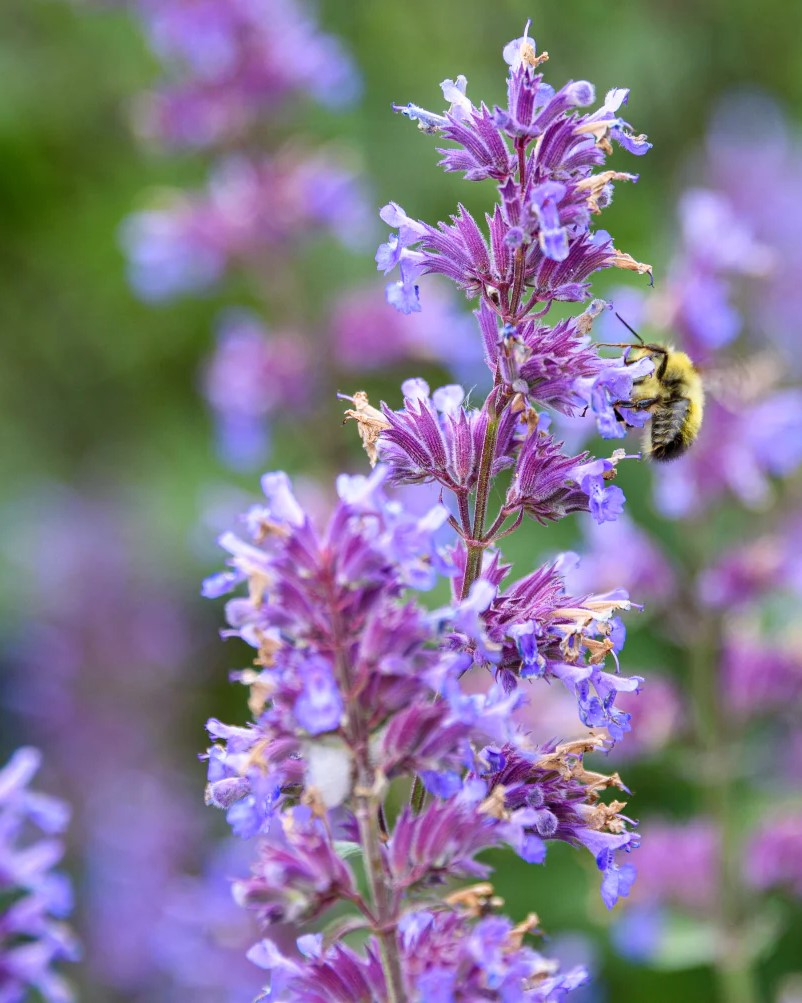
- Sarah, a friend of mine, swears by planting catmint along sunny garden paths where the bees flock. She made the same soil improvements and now enjoys a steady buzz of pollinators come summer.
- Mike, my fellow balcony gardener, uses lightweight potting mix with perlite and waters every few days during heatwaves. His catmint has grown into a fuzzy, fragrant centerpiece that guests love.
- Lisa, new to gardening, started with catmint seeds indoors. With patience and proper hardening off, her garden blossomed by mid-summer.
Troubleshooting Tips From Experience
- Leggy growth? Move it to a brighter spot—it’s begging for more sun.
- Yellow leaves? Almost always means overwatering or poor drainage.
- No blooms? Crowding or shade might be the cause—trim back overgrowth.
- Pests? Aphids or spider mites can appear in dry conditions. A soap-and-water spray keeps them in check.
Final Thoughts
Catmint is one of those rare plants that rewards patience with fragrant leaves and lovely flowers. It’s forgiving enough that even if you forget to water it, the plant bounces back.
If your gardening experience feels like a series of plant casualties, give catmint a shot—it’s a dependable companion that just wants to grow.
Ready to Start?
- Scout your sunniest spots—whether garden bed or balcony corner.
- Feel your soil—if it’s heavy or damp, amend with sand or compost.
- Grab healthy catmint starts from the nursery or order online.
- Plant with care, water well, then step back and watch the magic unfold.
Trust me, you’re not just planting an herb—you’re inviting a resilient, buzzing-with-life friend into your garden.