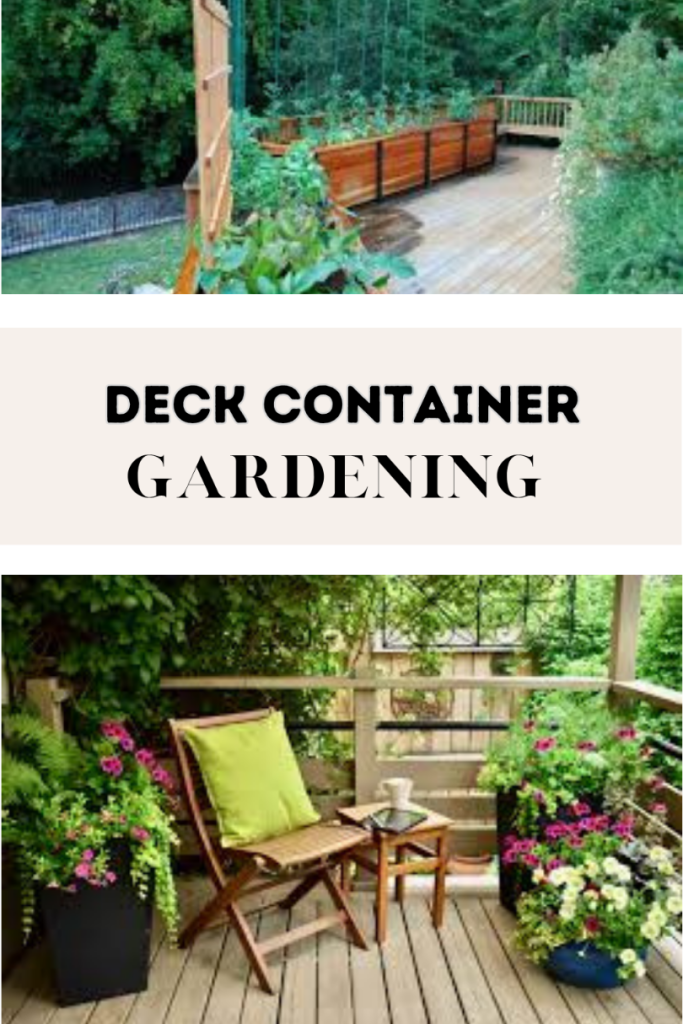
How I Approach Deck Container Gardening (and you can too)
1. Really Watch How Your Deck Hangs with the Sun
Most people glance at their deck and say “it gets sun,” but truthfully, sunlight can play hide-and-seek in surprising ways. I started by observing my deck from sunrise to sunset on a weekend, noting that the southern railing was sunlit for 7 hours, while a cozy corner remained mostly shaded.
This little ritual helped me decide to put tomatoes and basil where they’d thrive in the sun, and ferns in the cooler, shady corner. Knowing your deck’s light pattern is like knowing your plants’ bedtime story—crucial for their happiness.

2. Containers Are Your Creative Canvas—Choose with an Eye for Style and Function
Here’s a trick I learned the hard way: don’t just grab the prettiest pot. Prioritize drainage holes—plants hate soggy feet—and pick containers that fit your deck mood.
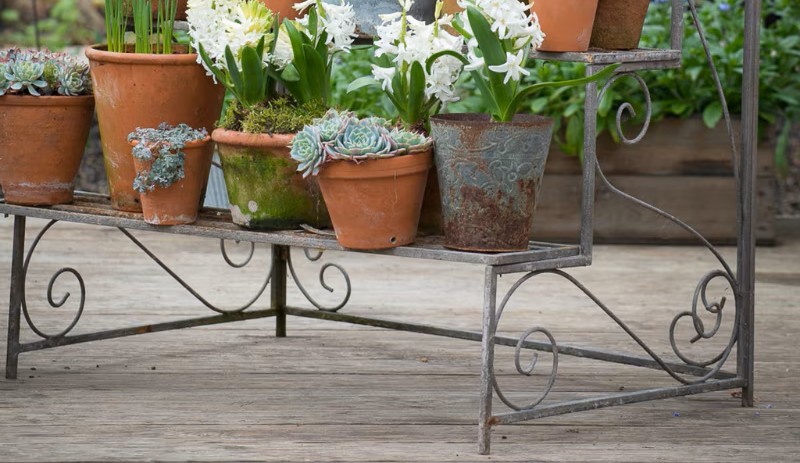
Lightweight plastic or resin pots became my go-to because they’re easy to shuffle around on windy days or when I wanted to experiment with new arrangements. If you’re tight on space (aren’t we all?), vertical gardens changed my perspective. Hanging baskets on hooks, planter boxes clipped to the railing, and tiered stands make your deck walls bloom in 3D.
3. Pick Plants That Actually Match Your Deck’s Personality
The biggest mistake I see? People picking “popular” plants without considering their light or care needs. A plant loves your deck only if it’s the right match.
When I had a mostly shady spot, I stopped trying to grow tomatoes there (hello, frustration) and went with coleus and ferns—they’re surprisingly lush and forgiving. Meanwhile, my sun-drenched pots are home to basil, cherry tomatoes, and marigolds—the kind of plants that feel like summer sunshine bottled up in leaves and blooms.
Starting with herbs like mint, basil, and parsley is a foolproof choice: they’re hearty, useful in the kitchen, and smell amazing every time you brush by.
4. Forget Dirt—Use Potting Mix That Loves Containers
That first season, I made the classic error of using garden soil from the backyard. The plants sulked, grew slowly, and some sadly perished. Then, investing even a few extra bucks in a quality, lightweight potting mix made all the difference.
The secret? It holds water enough to keep roots happy, but also drains so your plants don’t drown. Think of it as giving your plants a first-class seat in their pot.
5. Watering Is an Art, Not a Chore
Here’s what many don’t mention: containers dry out way faster than ground gardens, especially in heat waves. I learned to check moisture daily—not out of obsession, but because it really matters.
Feel the soil an inch down: dry means water, moist means wait. Over time, you’ll sense your plants’ subtle cues—a slight droop or dull leaves—that tell you when they’re thirsty. Early morning watering became my ritual, giving plants a head start before the afternoon sun bakes the deck.
6. Feed Them Like You Mean It
Container plants depend entirely on you for nutrition. I mix a balanced liquid fertilizer into their water every couple of weeks. The difference is like night and day—vigorous growth, vibrant leaves, and happier flowers and veggies.
Sometimes I add a bit of compost tea to sneak in extra nourishment, especially for my tomatoes—they seem to love it.
Real-Life Inspirations That Might Spark Ideas
- The Culinary Corner: My friend Sarah turned her narrow railing into an herb haven with three pots of basil, thyme, and rosemary fastened with sturdy hooks. She loves harvesting fresh herbs for dinner, and guests always comment on the fragrance that floats through her evening gatherings.
- A Shady Sanctuary: James, who lives in a shady city apartment, set up two large ceramic pots with ferns and coleus in a dim corner. He put a small weatherproof bench beside them and calls it his “green escape” where he reads or just unwinds after long workdays.
[IMAGE: Cozy deck corner with shade-loving plants and a bench]
- Summer Veggie Party: Maria went all in and planted cherry tomatoes, peppers, and even bush beans in large containers on her sunny deck floor. She rigged small tomato cages and now picks fresh veggies multiple times a week, making summer salads right outside her door.
Challenges You Might Face—and How I’ve Learned to Fix Them
- Wilting Plants?
Most likely, your plants are thirsty or drowning. I once learned the hard way when my pots had clogged drainage holes—roots were wet and suffocating. Always check that water escapes from the bottom; deep soak but don’t let the plants sit in drained water. - Yellow Leaves or Drop-Off?
Sometimes overwatering is the silent killer. If you notice yellow leaves, feel the soil—if it’s soggy, ease up. On the flip side, lack of nutrients can cause similar symptoms, so don’t skip the feeding routine. - Not Enough Sunlight?
This one used to frustrate me until I realized you can turn shade into your advantage. Shade-loving plants like ferns, hostas, and begonias can create lush greenery even with little direct sunlight. Also, reflecting light with a white-painted deck rail or shiny pots can boost what little sun your plants get.
Your First Steps into Deck Container Gardening
- Go out and get to know your deck like a new friend—watch how light moves and where the cozy spots are.
- Grab a few containers with drainage holes—start small, two or three pots are plenty at first.
- Choose plants that suit your deck’s sunlight—herbs like basil or mint are my favorites for beginners.
- Invest in a good potting mix and a quality fertilizer.
- Plant, water thoroughly, and celebrate the little green victories!
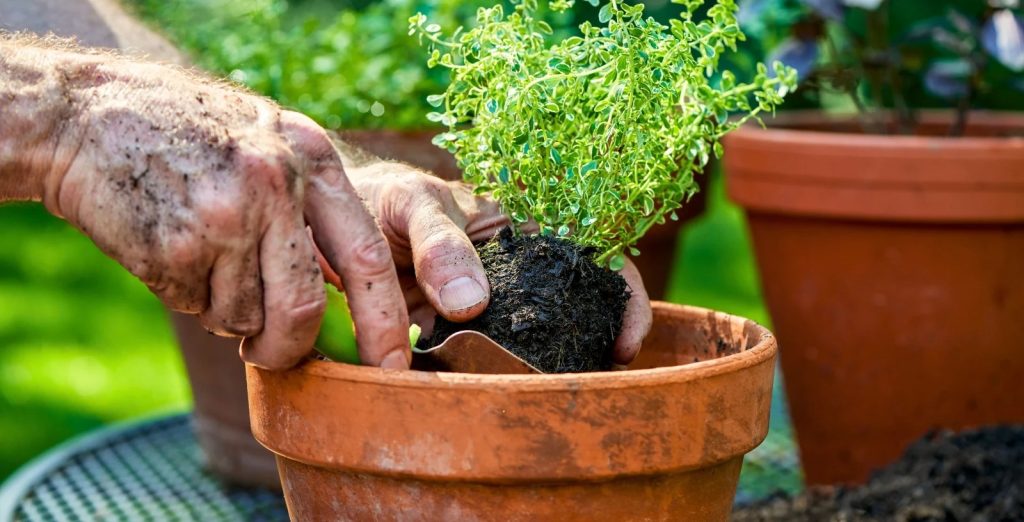
Gardening on your deck isn’t about perfection—it’s about connection. Whether you’re harvesting fresh herbs, enjoying blossoms, or simply pausing to admire your little garden, every green moment is a step toward more joy, calm, and freshness in your life.
Remember, every plant you nurture teaches patience and rewards you with life—there’s no better reason to start than that.