If there’s one thing I wish someone had told me when I first started with houseplants, it’s this: keeping plants alive isn’t about secret knowledge or expensive gear—it’s about choosing your battles and letting nature do its thing. Experts love to complicate the topic, but honestly? Most “indestructible” plants don’t want your constant attention. Let me break this down in plain language—step by step.
Step 1: Forget Everything You’ve Read About “Plant Parenting”
There’s no shame in wanting greenery without becoming a full-time horticulturist. Some of us just want to walk into the living room, see something green, and not sweat over moisture meters or fertilizer schedules.
Think of it this way: plenty of these houseplants have spent thousands of years adapting to survive droughts, shade, and even neglect. They didn’t evolve expecting daily spa treatments from humans!
My first snake plant was a gift from an aunt who lived four states away—a tough-love kind of person herself. I forgot about it for an entire summer while learning to juggle college classes. Guess what? Not only did it survive, but it looked healthier than ever, like it took my absence as a personal challenge.
Step 2: Pick the Right Plants (Not Just the Prettiest)
Let’s get really specific—not all so-called “easy” plants are created equal, and some fussy varieties masquerading as low-maintenance will break your heart (I see you, Boston fern). Here are the actual gold-medal winners for busy folks or beginners:
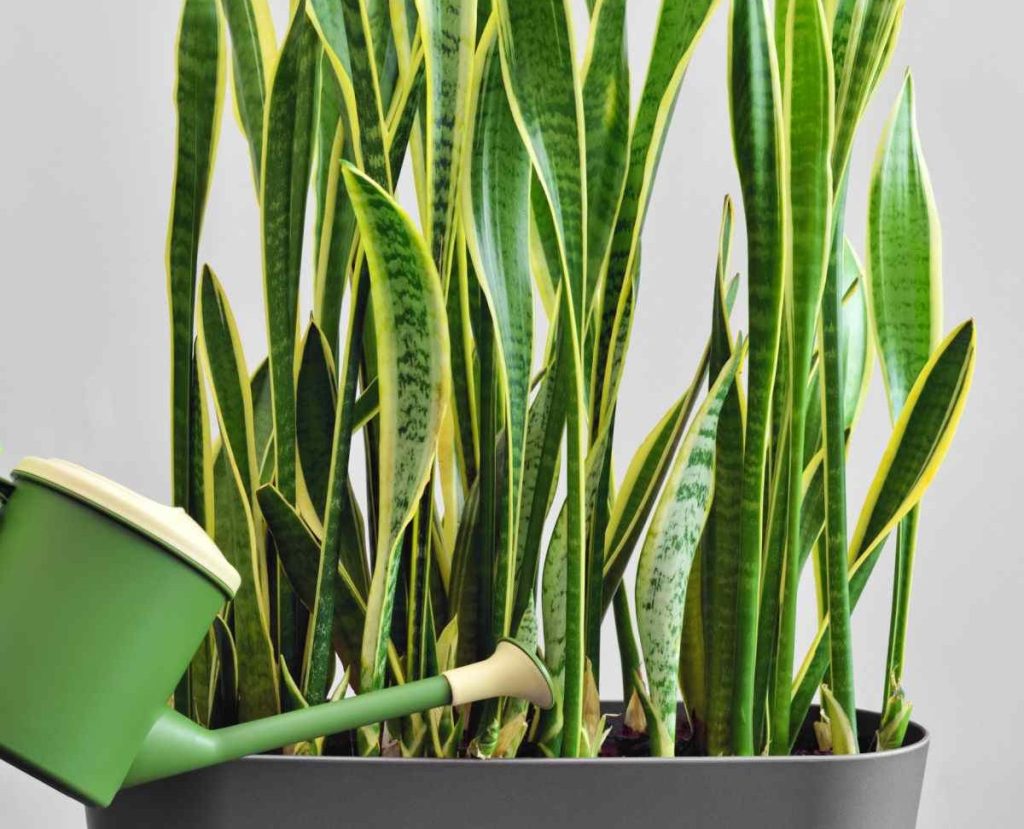
1. Snake Plant (Sansevieria)
- Lighting: Tolerates everything except pitch black spaces.
- Watering: Every 2–3 weeks; they hate soggy soil.
- Quirk: Their upright leaves remind me of a stack of paintbrushes—there’s something satisfyingly architectural about them.
- Pro tip: Overwatering is their only kryptonite; dry air/apartments are their natural habitat.
2. Pothos (Epipremnum aureum)
- Lighting: Bright indirect light makes them explode with new vines—but they’ll survive in that shadowy corner too.
- Watering: About once every 10 days; if you forget, the droopiness is like a friendly nudge: “Hey…water please?”
- Surprise benefit: You can snip a section—literally cut below a leaf node—and root it in water for instant propagation.
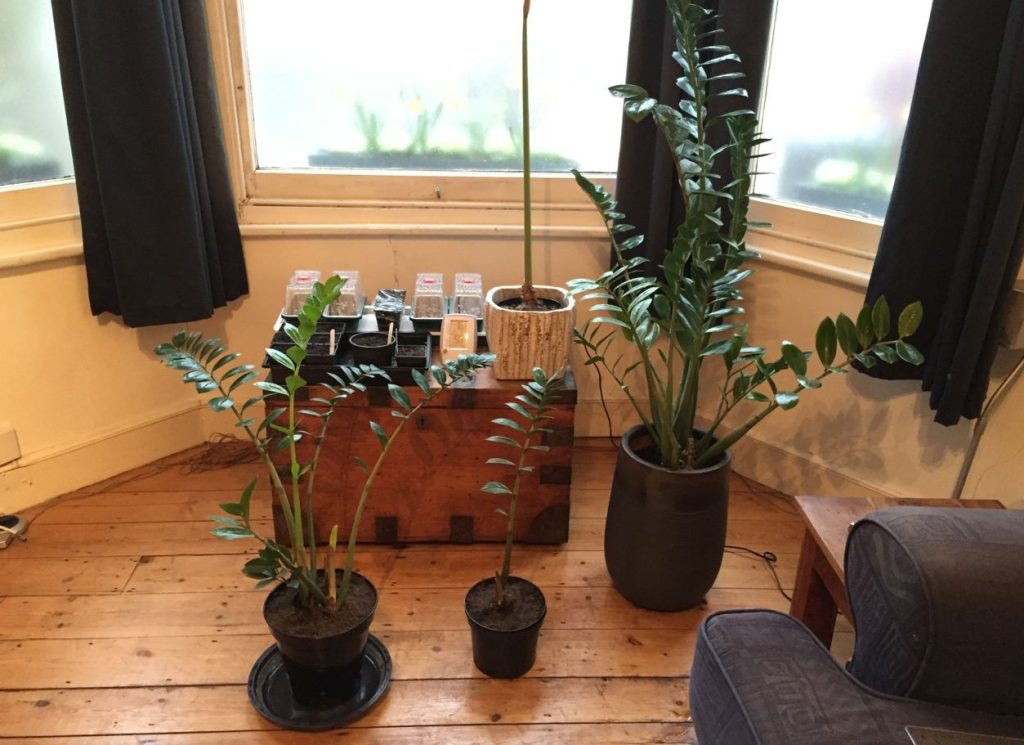
3. ZZ Plant (Zamioculcas zamiifolia)
- Lighting: Offices with only fluorescent lights? Bring it on.
- Watering: Twice a month is more than enough.
- Tactile detail: Its waxy leaves look almost fake—guests have actually poked mine twice before admitting defeat.
Step 3: Ignore Most Expert Tools
Let me tell you—the best plant setup I ever had was $12 at Home Depot:
- 1 simple terra cotta pot
- 1 basic bag of potting soil
- A cup I used as a watering can
Sure, those branded fertilizers look fancy on YouTube tutorials. But when you’re just starting out? Basic supplies work just fine. No need for humidity trays unless you live in an actual desert.
Pro tip most articles skip: Reuse an old mug or bowl as a planter; add some gravel at the bottom for drainage if there’s no hole. My pothos currently lives in what used to be my cereal bowl!
Step 4: Set Up Reminders and Cues You’ll Actually Notice
The biggest mistake isn’t forgetting to water—it’s watering too much ‘just in case.’ Mark watering days on your calendar until your own rhythm sets in. Or tie watering to something else—for example, after Sunday breakfast or during Friday cleaning binges.
When friends say “I always kill plants,” what really happens is inconsistency or panic-watering after guilt sets in (ask me how I know—I’ve drowned more than one succulent playing catch-up).
Step 5: Redefine “Success”
Here’s where most experts go wrong—they focus on Instagram perfection instead of enjoyment. The first plant I killed was an orchid—I fussed over light levels, kept moving rooms…it died anyway! But that taught me more than ten healthy snake plants could: sometimes simple works best.
You don’t fail if a leaf yellows or drops during winter—that’s natural. In fact, one year our radiators went haywire and fried ALL my pothos tips brown; I trimmed them back and two months later—it rebounded better than before.
Remember: Every wilted leaf is just feedback—not failure.
Final Thoughts From A Fellow Recovering Overthinker
Low-maintenance houseplants aren’t magic—they’re forgiving teachers. Even if you start with just one sturdy snake plant tucked near your bookshelf—instead of an overwhelming jungle—you’re already ahead.
Here’s one last quirky idea: Give your plant a name (mine’s called “Chadwick”—don’t ask why!). When we personify our leafy roommates, we build small daily habits without pressure.
At the end of the day, all you need is:
- 1 resilient leafy friend
- A splash of water every couple weeks
- A spot where you’ll actually see them
And yes—you really CAN grow indoor greenery without feeling lost or guilty.