You ever notice how the idea of owning houseplants is equal parts exciting and intimidating? Like, you stand in the nursery aisle staring at all those shiny leaves, but part of you is convinced even the hardiest plant will crumple under your care. I totally get it.
Honestly, there’s more psychology than horticulture going on when you first start—most of us are secretly worried plants will prove we’re “bad” at this before we even begin.
Here’s what most people don’t know: The reason snake plants, pothos, and ZZ plants are always at the top of those best indoor plant lists isn’t just their resilience (though they really can take some neglect with a surprising sense of humor). It’s because tending to them actually rewires how we see success and failure—yep, that sounds dramatic, but hear me out.
Why “Hard to Kill” Plants Actually Build Your Confidence
It’s not about tricking yourself into being a plant parent. It’s about small wins.
You water your snake plant—maybe with anxious precision—and nothing tragic happens. Maybe a new leaf pops up and suddenly you feel like David Attenborough in sneakers. There’s legit research showing little achievements boost dopamine; our brains crave that hit!
That’s why beginner-friendly plants are perfect training wheels—they give you early wins that change your self-talk from “I’m terrible with plants” to “Maybe I can do this after all.”
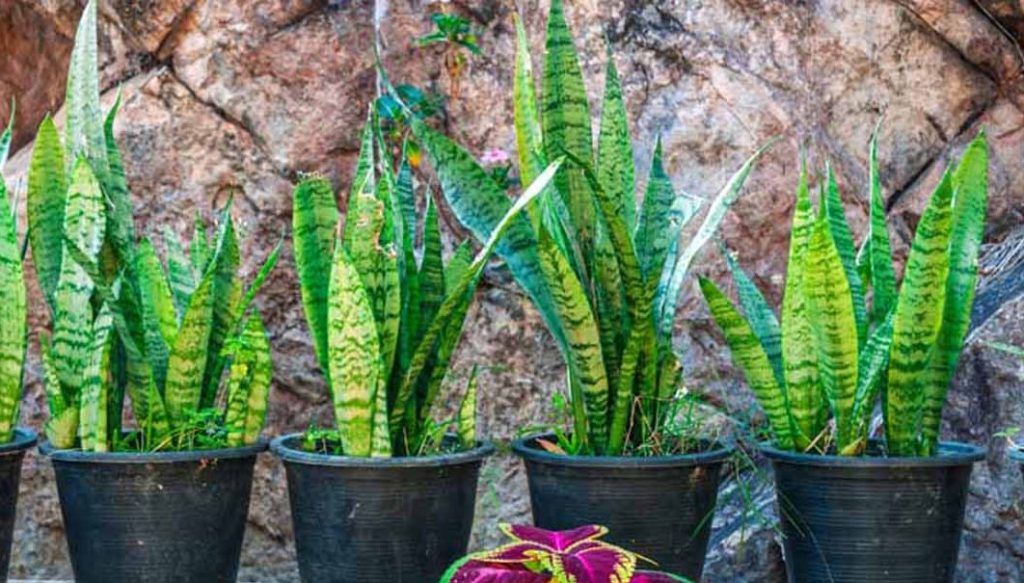
I started my own journey thinking I’d be lucky if anything stayed green under my roof. First few weeks? Overwatered everything because I thought love = moisture (spoiler: plants disagree). When my snake plant soldiered on anyway—still upright, still stretching for the sun—I realized maybe I didn’t need to be perfect. That lesson stuck way beyond gardening.
Light Levels: Why Your Brain Lies About How Much Sun You Have
Weird truth: Most of us overestimate or underestimate our home’s light levels, then blame ourselves for limp leaves or slow growth. Between you and me, what really matters is picking a plant that doesn’t mind your lighting quirks—a pothos doesn’t flinch if stuck next to a north window or even set back behind a curtain.
When my friend Sam put his pothos in a windowless bathroom (absolutely convinced he was dooming it), it thrived like it missed the memo about needing sunlight. This isn’t magic; these hardy types evolved to thrive on scraps of light in tropical forests’ understories—think “moody apartment corners” as their ideal habitat.
It helps psychologically too—noticing that your imperfect space is perfectly fine for certain plants eases that pressure to have an Instagram-ready home before starting out.
The Hidden Trap: Over-Caring as Self-Sabotage
Here’s an unexpected twist nobody warns new folks about: over-caring usually comes from wanting so badly for things to work—and then smothering roots with too much attention (and water). It feels counterintuitive not to hover! But learning to gently back off builds patience—a skill that spills into other areas of life.
If you catch yourself poking soil every day or fussing over every yellow spot (guilty as charged!), try switching gears: treat watering like brushing teeth—scheduled but nothing dramatic unless there’s an obvious problem.
My personal hack? Set a reminder on your phone only once every week or two; trust me, your fiddle-leaf fig might sulk if ignored, but snake plants throw silent parties when left alone.
Fallibility Is Part of the Process
True story: I killed three succulents before realizing they hated my winter windowsill routine (not enough sun + drafts = disaster). Pivoting to pothos felt like cheating—but suddenly everything lived, and I stopped associating brown stems with personal failure.
Plants offer living feedback; they show what works if you listen without panic-gardening whenever something looks off. Brown tips? Usually dry air or skipped watering—not character assassination!
Unconventional Tricks Most Guides Skip
- If you’re shy about getting started, borrow cuttings from friends instead of buying full-blown pots—there’s zero guilt if something goes wrong (plus instant conversation starter).
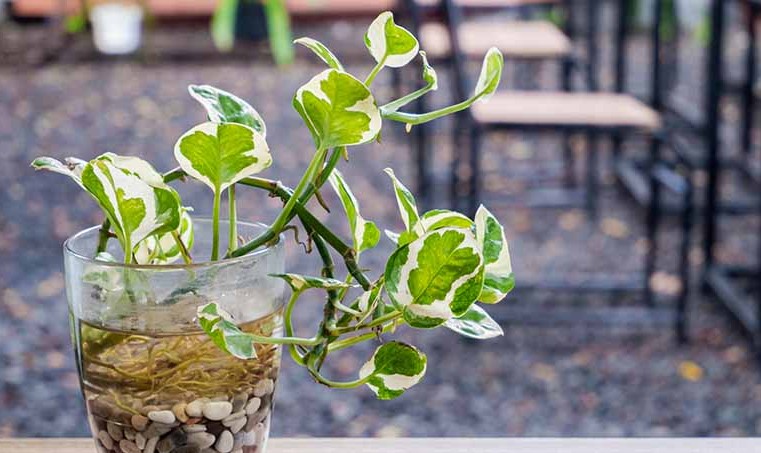
- Propagate pothos in old salsa jars filled with tap water—they root faster than you’d guess.
- Place sticky notes near light switches reminding yourself “Check soil”—that tiny nudge helps build habits without feeling overwhelming.
- Use a chopstick in the pot as a moisture gauge—it tells you what’s happening way below where fingers reach.
- For real night owls or dorm-room dwellers? Try Sansevieria Moonshine—the silvery version tolerates almost cartoonishly low light while looking sci-fi chic.
Psych Bonus: Watching Plants Grow Changes How You See Yourself
Not exaggerating here—a single new leaf appearing feels like proof you can nurture something real in this world. Even clients who swore they could barely keep cacti alive ended up posting progress pics within months (“Look! I didn’t kill it!”).
And here’s another thing most people overlook: seeing those visible signs of growth reminds us we’re allowed slow progress too—in life and plants alike.
So whenever someone asks me which indoor plant is best for beginners, sure—I’ll name-drop snake plant or ZZ again—but more importantly? They’re self-esteem starters cloaked as foliage.
Choose one forgiving friend for your space; let go of perfection; celebrate every incremental win…and let yourself enjoy being surprised by how easy it gets from there.
Questions about funky room setups or weird schedules? Tell me! No judgment here—been through nearly every plant mishap myself and there truly are solutions no matter where (or who) you are starting from.