The first time I walked into a friend’s apartment and saw a towering Monstera by her couch, I was convinced she had some kind of secret plant whisperer status (and maybe an off-duty botanist hanging around). Turns out, that’s one of the biggest myths that trips people up about large indoor houseplants: you don’t need to have magic hands—or a weekly calendar full of misting reminders—to make a big leafy plant thrive in your living room.
Most guides get caught up in complicated watering formulas or lighting diagrams. In reality, there’s a simple trick that’s saved me more grief than any expert chart ever has: if it looks thirsty or droopy, check the soil before you panic.
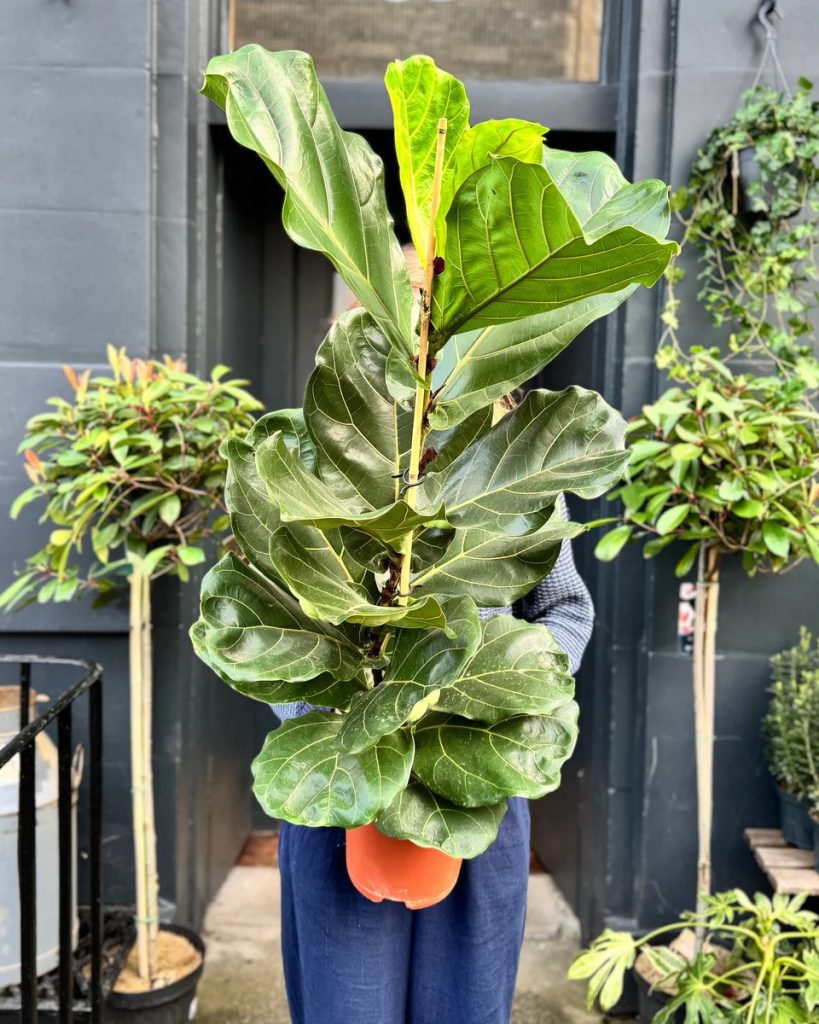
It sounds basic, but after way too many overwatered Fiddle Leaf Figs (I even lost one during an ambitious “hydration schedule” phase back in late 2018—learned that lesson the hard way), I finally figured out most big plants are just asking not to be loved to death.
Let’s cut the expert noise and talk real-world houseplant strategy.
The Not-So-Secret Truth About Large Indoor Plants
From my experience, the plants that look the most intimidating—the broad-leaved Monsteras, stately Rubber Trees, robust Kentia Palms—often survive best when left alone most of the time. The handful of times I tried doting on a big plant like it was my grandmother’s prized orchid, I only stressed myself—and the plant—out.
Give them space, decent light (does your room feel bright enough to read during daylight? Good enough!), and water only once they ask for it. That’s it.
What Most People Don’t Know
When friends ask me which plant survived my “let’s see if you can take care of yourself” vacation test last year, it was hands-down the Monstera. I left for 10 days during summer with nothing but indirect morning sun and didn’t come home to a single yellow leaf. Same can’t be said for my finicky Birds of Paradise—or those fussy Calatheas experts love to hype up.
Also, many experts insist on buying fancy grow lights or grouping ten humidity-hungry plants together in elaborate terrariums. Unless you genuinely enjoy that kind of setup (and cool if you do!), you can go far with ordinary things: tap water left sitting overnight (to get rid of chlorine), regular old potting soil from Home Depot, and drainage holes in every pot.
Trust me—skimping on drainage is where I tanked two gorgeous Rubber Plants back in 2019 because they looked so good in their decorative baskets…until root rot set in because I ignored my own rule.
My Shortlist: Real-World Large Houseplants That Don’t Overcomplicate Life
I’ll skip over anything that needs daily spritzing or LED light schedules—here are survivors I’ve actually kept thriving through moves, renovations, and plain neglect:
1. Monstera Deliciosa
Had mine since 2017; it’s forgiven multiple missed waterings and one accidental cold draft incident last winter.
- What worked for me: Give it bright but indirect light; water fully only when top few inches are dry.
- Tip: If leaves start curling at edges—it usually means wait another day or two before watering.
- Personality Quirk: Occasionally sends out crazy aerial roots—I just snip ‘em if they get unruly.
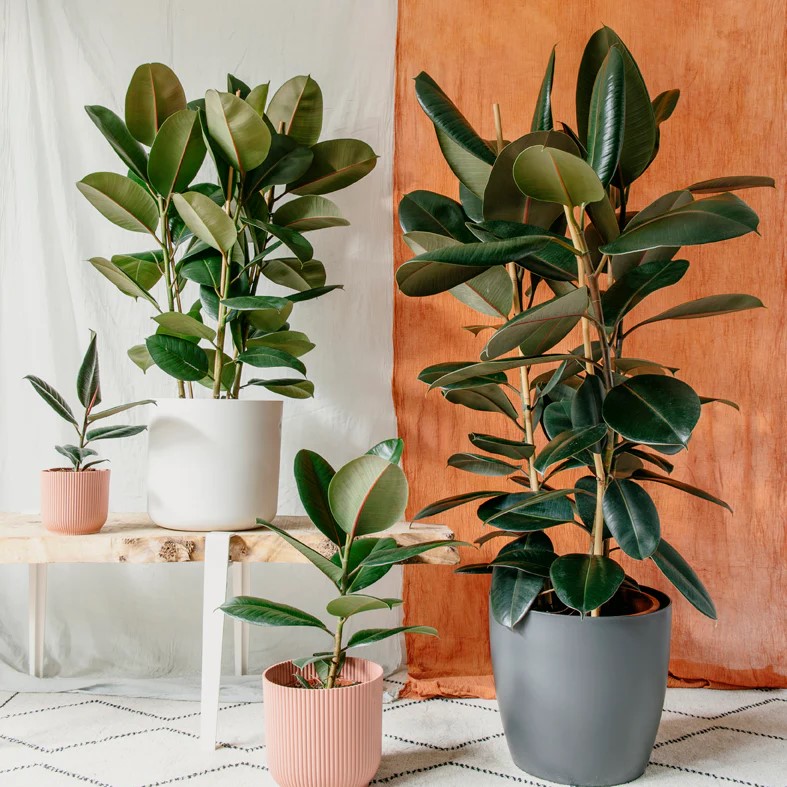
2. Rubber Plant (Ficus elastica)
This guy replaced an abandoned Ficus from a housemate; doubled its size by just being near an east window.
- Simple care: Let top half of soil dry out before watering again—I use a chopstick to test rather than guessing.
- Bonus: Wipe those leaves with a damp paper towel once a month; less dust = more shine = happy plant.
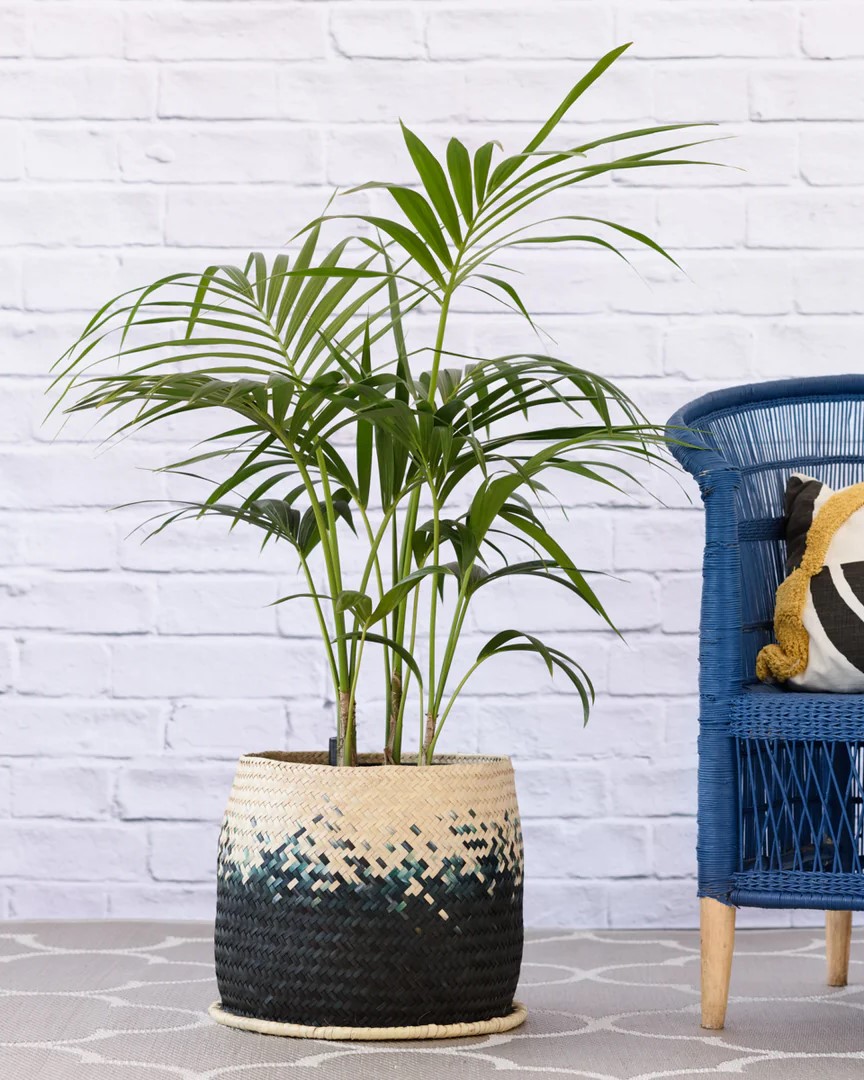
3. Kentia Palm
If your home feels as dry as mine does midwinter—even without humidifiers—a Kentia Palm is practically indestructible.
- Why I love it: Needs little attention; slow growth means you’ll rarely need to re-pot or prune.
- Trick: Every six months give its potting mix a gentle poke-around—roots like good air flow even indoors.
My Biggest Mistakes & How To Dodge Them
A common mistake I see: grabbing three giant plants at once because Pinterest said so. “One at a time” rules here—you learn their cues way faster if you aren’t juggling different requirements from day one.
From my experience moving between apartments with totally different exposures:
- A south-facing window breeds happy Monsteras and Birds of Paradise—but keep them three feet away unless you want crispy tips.
- Dim north nook? Kentia Palm’s your ally—mine handled six months behind heavy drapes without dropping more than two fronds.
One year ago, wanting drama but short on patience, I spent $65 on a mid-sized Rubber Tree that claimed “low-maintenance” status—in practice? The thing went five weeks while life got busy before asking for anything besides an occasional wipe-down. Lesson learned: sometimes splurging on something healthy at first costs less long-term than rescuing clearance rack sad-plants!
Obstacle Course: Solving Problems Like A Human
Never trust glossy stock photos showing flawless foliage—that’s not real life! When browning started creeping across tips last November thanks to radiators running nonstop, placing open bowls of water nearby made as much difference as any fancy pebble tray could have done—and cost nothing extra.
Feeling guilty over dropped leaves? In my house we call those “learning moments.” Even professional growers lose whole branches sometimes—the trick is noticing patterns (dryness at tips = low humidity; limp leaves = thirsty) and correcting course instead of stressing about perfection.
If You’re Ready To Start Simple
Here’s what worked for me:
- Decide which sunny spot makes you happiest—it’ll help both you and your plant pay attention.
- Grab just one large statement plant from a reputable seller (nurseries trump big box stores every time).
- Spend $12 extra dollars for sturdy pots with built-in drainage—save yourself heartbreak later.
- Read care tags once when unpacking—not obsessively after every brown leaf—and use phone notes for reminders if needed.
The best part? Watching new growth emerge—slightly lighter green at first—is still magic years later, whether you’re stuck inside during freezing winter weeks or just craving something alive in your office corner.
Remember: getting things wrong is part of getting things right here. With each round, you’ll become someone who understands what your particular Monsteras or Rubber Trees want—not just what generic guides promise is easy-for-everyone.